Outlook: Global Stone Supplier Market Trends
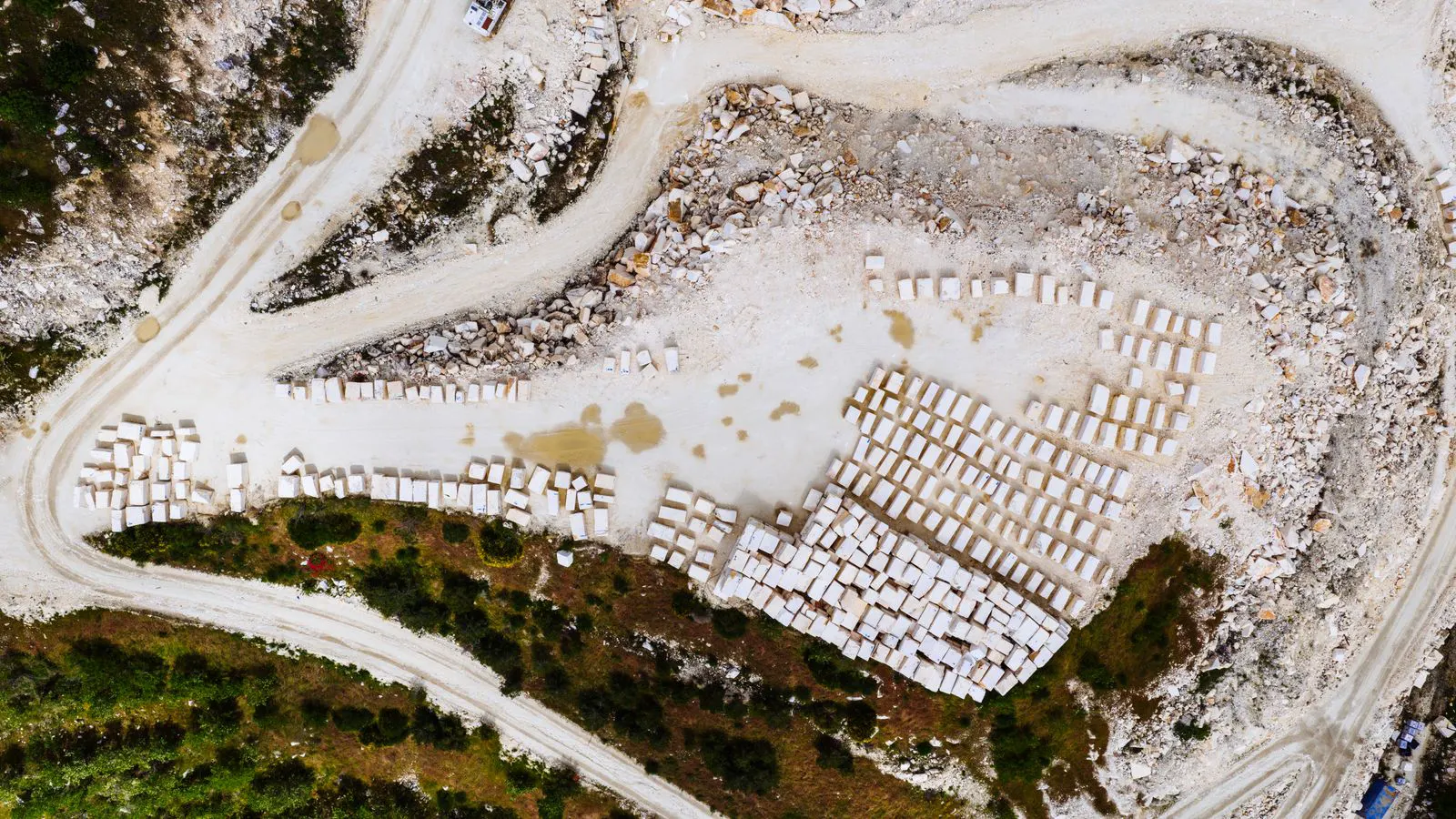
The global stone market is shifting toward tighter quality controls, diversified sourcing, and greater supply chain transparency. Buyers must plan for these changes to maintain project timelines and budget stability. This guide outlines key trends and preparation steps.
- Diversify sourcing regions to reduce single-point-of-failure risks in your supply chain.
- Prioritize suppliers with documented quality control processes over those with the lowest unit prices.
- Build long-term relationships with suppliers who invest in digital traceability and communication.
- Plan for lead time variability by maintaining buffer stock for critical project components.
- Evaluate supplier financial stability and production capacity before committing to large volume contracts.
Where the Sourcing Landscape Is Heading
The natural stone trade is moving away from simple price-based competition. Buyers are no longer selecting partners solely on the cost per square meter. The market now rewards suppliers who can demonstrate consistent quality, transparent logistics, and reliable delivery windows. For professionals planning projects over the next several years, understanding these shifts is necessary to avoid costly delays and specification changes.
This is not a prediction of specific price movements. It is an observation of structural changes in how stone is quarried, processed, and delivered. The goal of this outlook is to help you find stone suppliers who are prepared for these structural changes and to help you evaluate your current network accordingly.
Shift One: Quality Control Moves Upstream
For decades, quality checks often happened at the processing plant or the final destination. Today, buyers are demanding verification at the quarry stage. The shift is toward upstream quality assurance.
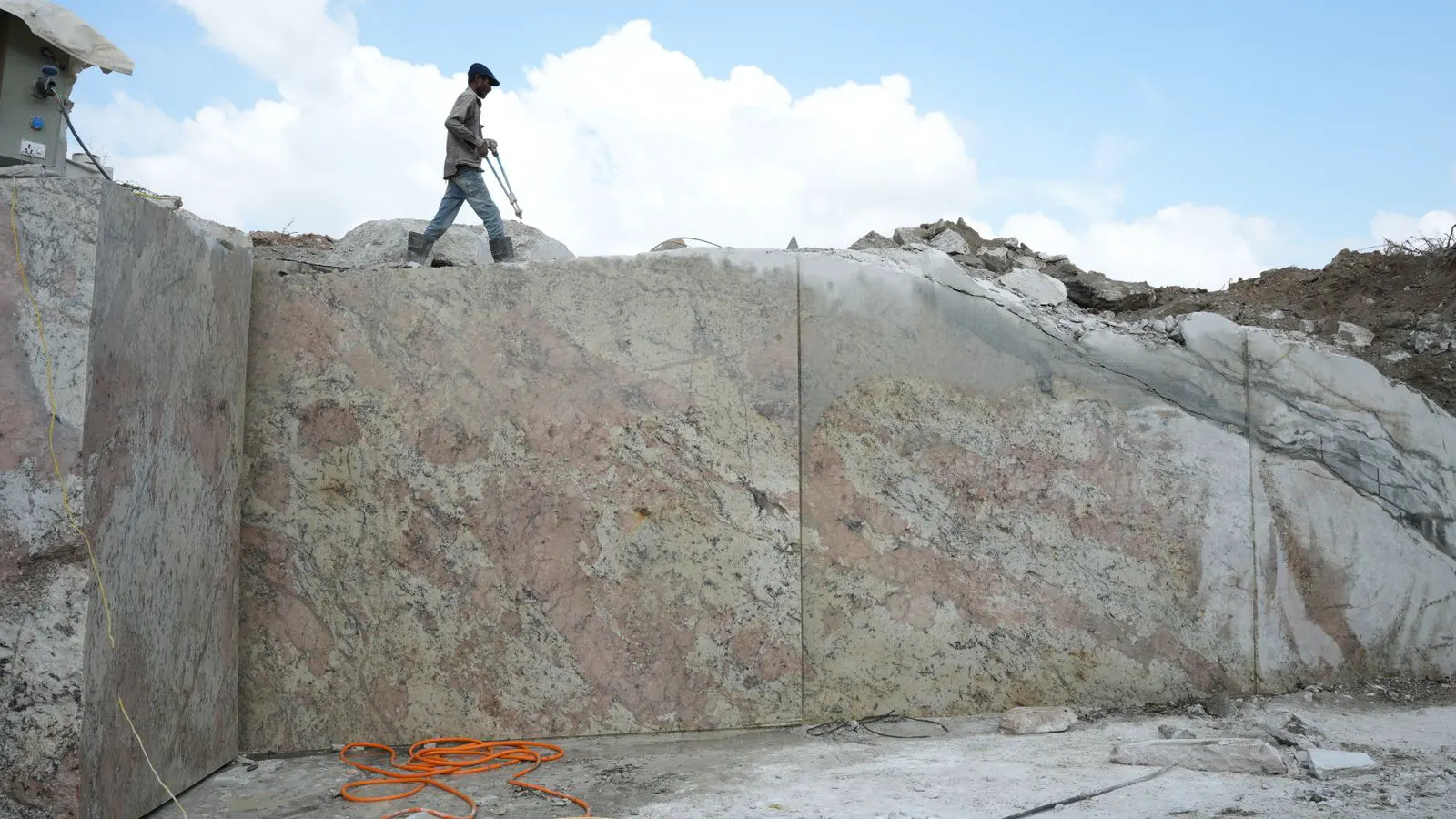
This means checking block condition, vein continuity, and defect density before the stone leaves the pit. Suppliers who can provide photodocumentation and digital color matching at the source are gaining an advantage. This reduces the risk of receiving a shipment that does not match the approved sample.
To prepare, request specific quality control documentation from potential partners. Ask how they inspect blocks for cracks, stains, or color variation. A reliable supplier will have a documented process for this. If they cannot show you their inspection records, that is a warning sign.
Imagine a large order for a high-traffic lobby floor. If the quarry does not record the exact block numbers used for your order, you cannot verify that the stone arriving at your site matches the approved sample. You might receive a batch with higher iron staining or more frequent pinholes. By the time the stone is cut and polished at the factory, the defects are locked in.
Upstream inspection allows you to reject weak blocks before they are wasted on processing. This saves money and ensures the stone you buy has the structural integrity required for its application. Ask suppliers to share a sample of their quarry inspection reports. Look for clear photos of the block face, notes on any cracks or color shifts, and a signature from a quarry engineer.
Shift Two: Lead Times Become Volatile
Logistics are no longer a fixed variable. Shipping lanes, container availability, and local port congestion create unpredictable delays. The era of guaranteed fixed lead times is ending.
Suppliers are now offering flexible delivery windows rather than rigid dates. This requires buyers to adjust their project scheduling. You must build flexibility into your design timelines.
Prepare by mapping out your critical path. Identify which stone components are on the critical path for installation. For these items, negotiate longer lead times or hold buffer stock. For non-critical items, you can accept shorter lead times to reduce carrying costs.
Consider a residential complex where the lobby floor must be installed before the building is certified for occupancy. That floor is on the critical path. If your supplier quotes a six-week lead time, you should build in a two-week buffer. If the stone is for a private residence where the client can accept a slight delay, you can negotiate a standard lead time to save on inventory costs.
Volatility means that a shipment that was due in three weeks might arrive in five. Or it might arrive in two. You cannot plan around a single date. You must plan around a range. When discussing timelines with your supplier, ask about their average variance. If a supplier claims a nine-month lead time but has a history of two-month delays, plan for eleven months.
Shift Three: Digital Traceability Becomes Standard
Buyers are increasingly asking for full batch traceability. This includes knowing which quarry, which block, and which processing line produced a specific slab.
This shift is driven by sustainability requirements and quality accountability. If a defect appears in a finished project, you need to trace it back to the source. This helps in warranty claims and in preventing future issues.
Suppliers who use digital lot tracking are better positioned to meet these demands. Look for partners who can provide a unique code for each shipment. This code should link to the quarry origin and processing details.
Traceability is not just about sustainability. It is about accountability. If a slab arrives with a structural crack, you need to know if the crack was present in the quarry block or if it occurred during cutting. If the crack was in the block, the quarry bears responsibility. If it occurred during cutting, the processor bears responsibility.
A reliable traceability system will provide a digital certificate for each lot. This document will list the quarry name, the block number, the processing date, and the machine used for cutting. It will also include the name of the quality inspector who checked the batch. Without this level of documentation, you are relying on verbal assurances, which are not enough for complex projects.
Shift Four: Regional Sourcing Gains Traction
Long-distance shipping is expensive and fragile. Many buyers are reconsidering their sourcing strategies. They are looking at regional suppliers to reduce transit times and carbon footprint.
This does not mean you must source locally. It means you should evaluate regional options seriously. Regional suppliers may have higher unit costs, but lower logistics risks and faster response times.
Prepare by identifying regional quarries and processors that meet your quality standards. Visit their facilities if possible. Assess their production capacity and quality control capabilities. Compare their total landed cost against long-distance options, including shipping, insurance, and potential delays.
When you source from a distant quarry, you are exposed to a longer supply chain. Each link in that chain introduces a risk. The quarry might have a labor strike. The shipping line might lose containers. The port might face a congestion backlog. A regional supplier reduces the number of links in the supply chain. If a problem occurs, you can resolve it quickly. You can drive to the facility. You can negotiate a replacement shipment within days.
Regional sourcing also allows for more frequent sampling. You can visit the quarry to see the stone in person. You can adjust the specification based on what you see. This reduces the risk of a mismatch between the sample and the final delivery.
Shift Five: Supplier Financial Stability Matters More
A cheap stone is expensive if the supplier goes bankrupt mid-contract. You must evaluate the financial health of your partners.
Look at their production capacity relative to their order book. A supplier operating at 100% capacity has little room to absorb new orders or handle disruptions. A supplier with 70% capacity has flexibility.
Ask about their client base. Are they dependent on one or two large accounts? Diversified revenue streams indicate greater stability. Check their track record over a five-year period. Look for patterns in their delivery performance and quality consistency.
Financial instability can manifest in subtle ways. A supplier might delay quality inspections to cut costs. They might use cheaper labor for finishing. They might skip packaging inspections. These cuts save money in the short term but create problems in the long term.
When evaluating a supplier, ask for a breakdown of their revenue. If 80% of their revenue comes from one large developer, they are at risk. If that developer cancels a project, the supplier may struggle to meet your order. A supplier with a diverse client base, including multiple developers, architects, and contractors, is more stable.
How to Evaluate Potential Partners
When you find stone supplier candidates, use a structured evaluation process. Do not rely on intuition alone. Create a scoring matrix based on your project priorities.
Consider these factors in your assessment:
- Quality Control Documentation: Do they provide quarry inspection records and digital color matching?
- Lead Time Reliability: What is their average on-time delivery rate over the last three years?
- Traceability: Can they provide full batch tracking from quarry to delivery?
- Financial Stability: What is their capacity utilization and client diversity?
- Communication: How quickly do they respond to queries and change orders?
Weight each factor based on your specific project needs. A hospital project might prioritize traceability and quality. A commercial residential project might prioritize cost and lead time.
For example, if you are sourcing stone for a hospital, traceability is a high-priority factor. You need to ensure that the stone meets strict hygiene and durability standards. If you are sourcing stone for a retail store, lead time might be more important. You need the stone to arrive on time for the opening.
Do not just ask these questions. Verify the answers. Request samples of their documentation. Ask for references from similar projects. Check their delivery history. A supplier who can provide concrete evidence of their capabilities is more reliable than one who makes only verbal promises.
Comparison of Sourcing Strategies
The table below summarizes the trade-offs between different sourcing approaches.
| Strategy | Primary Benefit | Key Risk | Best For |
|---|---|---|---|
| Single-Source Global | Lowest unit cost | High logistics risk, long lead times | Large, non-critical projects |
| Regional Diversified | Shorter lead times, better communication | Higher unit cost | Time-sensitive, quality-critical projects |
| Hybrid Sourcing | Balanced cost and risk | Complex logistics management | Mixed-use developments |
| Direct Quarry Sourcing | Full quality control, traceability | Higher administrative burden | High-end, custom specifications |
Choose the strategy that matches your risk tolerance and project timeline. There is no single best option. The right choice depends on the specific requirements of your project.
A single-source global strategy is effective when you have a large volume of stone and can tolerate long lead times. It is not suitable for small projects or those with tight deadlines. A regional diversified strategy is effective when you need to manage risk and ensure quality. It is more expensive but offers greater control.
Building Long-Term Supplier Relationships
The future of stone sourcing is about partnership, not transaction. Suppliers who invest in their client relationships are better positioned to handle market volatility.
Build relationships by maintaining open communication. Share your project timelines and challenges. Ask for their input on material selection. This builds trust and allows for quicker problem-solving when issues arise.
Consider annual reviews with your key suppliers. Discuss their production plans, quality metrics, and any changes in their business. This helps you anticipate potential disruptions and adjust your strategy early.
A strong relationship is a buffer against market shocks. When a supplier knows your business, they will prioritize your orders when capacity is tight. They will also provide better transparency when problems arise.
For example, if a supplier is facing a labor shortage, they may inform you in advance if they have a strong relationship with you. They might suggest an alternative stone or a slightly different lead time. If they do not have a strong relationship with you, they may hide the problem until it is too late to fix.
Preparing for the Next Cycle
The natural stone market will continue to evolve. New technologies, regulatory changes, and economic shifts will create new opportunities and challenges.
Stay informed about industry developments. Attend trade shows and read industry reports. Build a network of peers who face similar sourcing challenges. Share lessons learned.
Finally, review your supplier portfolio regularly. If a supplier is not meeting your standards, do not wait for a crisis to change. Start looking for alternatives now. A proactive approach saves time and cost.
The key is to be adaptable. The suppliers who will succeed in the next cycle are those who are flexible, transparent, and committed to quality. Find stone suppliers who share these values. They will be your best partners in navigating the changing market.
Frequently asked questions
How do I verify a supplier's quality control process?
Request documentation of their inspection procedures, including quarry block checks and digital color matching. Visit their facility if possible to observe the process firsthand. Ask for samples of rejected material to see their standards in action.
Is it better to source stone regionally or globally?
It depends on your project priorities. Regional sourcing offers shorter lead times and better communication. Global sourcing often offers lower unit costs. Evaluate both options based on your timeline, budget, and quality requirements.
What is the most important factor in choosing a supplier?
Reliability is the most important factor. A reliable supplier delivers consistent quality on time, even when conditions are difficult. Price is secondary to reliability in most professional projects.
How can I reduce the risk of supply chain disruption?
Diversify your supplier base. Maintain buffer stock for critical components. Build long-term relationships with multiple partners. Monitor your suppliers' financial health and production capacity regularly.
What should I do if my current supplier is not meeting expectations?
Document the issues clearly. Communicate your concerns directly to the supplier. Give them an opportunity to improve. If they do not, start evaluating alternatives. Do not wait for a major failure to act.