Fixing Shipping Damage: Marble and Granite Repair Options
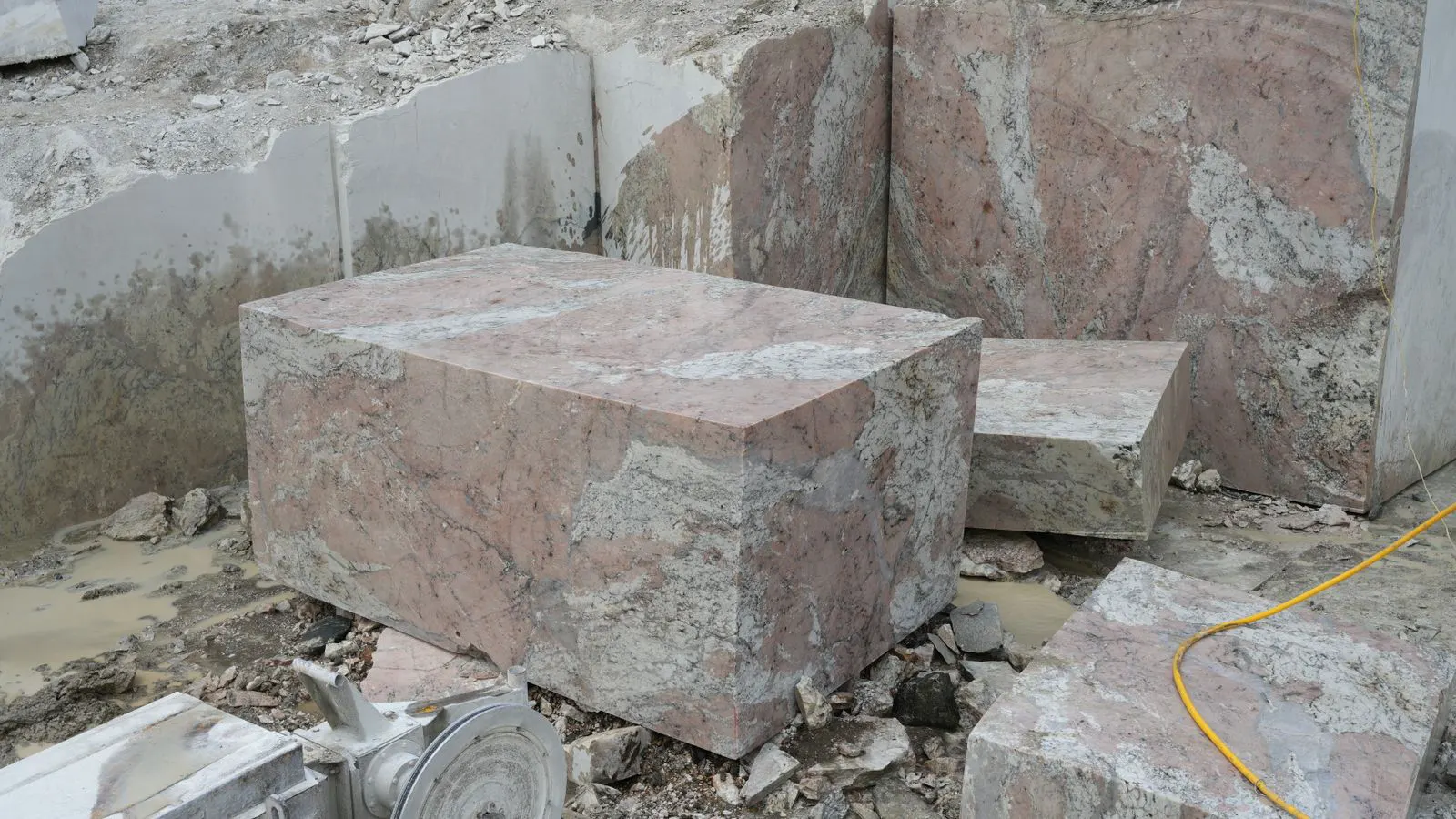
Shipping stone damage can range from surface scratches to structural cracks. Assess the defect immediately, document it for claims, and use matching resins or patching for small issues. For major fractures, professional consolidation or replacement is usually the only stable option.
- Assess shipping stone damage before moving the material to the job site to preserve evidence.
- Small surface defects can often be fixed with matching resins or patching compounds.
- Structural cracks in granite and marble usually require professional consolidation or replacement.
- Proper crating, blocking, and labeling reduce the risk of transit defects.
- Document every defect with photos and written notes for insurance or supplier claims.
Shipping stone damage is often discovered when a crate is opened at the destination. The material looks wrong, or the crew hears a crack during handling. Some defects are cosmetic. Others affect the structural integrity of the slab. Knowing how to identify these issues early helps you decide whether the stone can be saved or must be replaced.
How to inspect stone after delivery
The inspection should happen before the stone leaves the truck. Open the crate carefully and check the edges, corners, and any visible faces. Look for chips, scratches, stains, and cracks. Use a flashlight to catch surface imperfections that are hard to see in bright daylight. If the material is polished, run your fingers lightly over the surface to feel for pits or gouges.
Record the condition immediately. Take photos from multiple angles. Include a reference object, such as a tape measure or a coin, to show scale. Note the exact location of each defect. For example, mark the crack as “two inches from the top left corner, running parallel to the edge.” This detail matters when you file a claim or discuss repair options with the supplier.
Do not move the stone to a different location before you have finished the inspection. If the damage is significant, leave the crate closed until the supplier or your project manager arrives. Moving a cracked slab can worsen the fracture.
Common defects found in transit
Stone is heavy and rigid. It does not bend or flex. When it is jostled, compressed, or dropped, the force concentrates on specific points. This creates predictable failure patterns. Understanding these patterns helps you identify the cause and choose the right repair method.
The following table lists common symptoms, their likely causes, and the appropriate response.
| Symptom | Likely cause | What to do |
|---|---|---|
| Chip or small edge break | Impact during handling or crate shift | Patch with matching resin or replace the block if large |
| Scratch on polished face | Abrasion from other stone or debris in crate | Buff with diamond pads and polish if shallow; replace if deep |
| Hairline crack on surface | Thermal stress or minor impact | Monitor; use epoxy or structural adhesive if it widens |
| Deep crack through slab | Drop or excessive pressure point | Consult a stone fabricator; may require consolidation or replacement |
| Stain on face | Leaking water or chemical spill in crate | Clean with appropriate stone cleaner; seal if porous |
| Bent or deformed frame | Poor packaging or overloaded crate | File claim; do not use stone if structural support failed |
Surface defects and minor repairs
Surface damage is the most common type of shipping stone damage. Scratches, small chips, and shallow cracks are often fixable on site. The key is to match the repair material to the stone type.
For marble, use a resin or filler that matches the color and translucency of the stone. Apply the material with a putty knife, smooth it level, and allow it to cure fully. If the surface is polished, buff the repaired area with progressively finer diamond pads. The goal is to make the repair invisible under normal lighting.
Granite is harder and less porous. Small chips can be filled with an epoxy-based compound. Match the color carefully, as granite often has speckled patterns. If the chip is small, a two-part epoxy filler works well. For larger chips, a stone fabricator may use a solid piece of matching granite, ground and polished to blend with the surrounding area.
Structural cracks and serious fractures
Crack repair for deep or structural fractures is different. A crack that runs through the full thickness of the slab compromises its strength. These defects are common in granite because of its interlocking grain structure. In marble, cracks can spread along natural veining or bedding planes.
Do not attempt to glue a major crack yourself unless you have experience with structural adhesives. The wrong adhesive can weaken the stone further or fail under load. If the crack is on a non-structural slab, such as a decorative piece, a stone fabricator can use a structural epoxy or a pin-and-epoxy method. This involves drilling small holes along the crack, inserting pins, and injecting adhesive to bond the two sides.
For slabs used in countertops, floors, or exterior applications, structural cracks may require replacement. The risk of future failure is too high. Check the supplier’s policy on defective material. Many suppliers will replace a cracked slab if the damage is reported within a set window after delivery.
Prevention: packaging and handling
Preventing shipping stone damage is easier than fixing it. The packaging must protect the stone from impact, moisture, and shifting. A good crate uses thick plywood or steel framing, with internal blocking to prevent the slab from moving. The stone should be supported evenly across its full surface, not just at the edges.
Foam or foam board can be placed between slabs to prevent contact. Avoid using wood shavings or loose packing material that can shift. Labels are critical. Mark the crate with “Fragile,” “This Side Up,” and “Keep Dry.” If the material is sensitive to temperature, note that clearly.
During loading, use a forklift or crane with proper attachments. Never drag a crate across the floor. Check the tie-downs before departure. A crate that shifts in transit is a crate that will crack.
Claiming and documentation
If shipping stone damage is found, the supplier or freight carrier is responsible for resolution. The claim process depends on the contract and the freight terms. Some contracts cover damage that occurs in transit. Others place responsibility on the shipper for packaging failures.
Keep all documents. This includes the delivery note, the invoice, and the photos taken during inspection. If the damage is minor, the supplier may offer a discount or a repair kit. If the damage is major, you may be entitled to a replacement or a refund. Be clear about what you need. A vague complaint like “the stone is damaged” will slow the process. A specific report like “the top left corner chip is 1.5 inches deep, and there is a 3-inch hairline crack on the right edge” is easier to act on.
Contact your insurance broker if the loss is significant. They can guide you on whether to file a claim with the carrier, the supplier, or your own policy. Do not discard the damaged stone until the claim is settled. The carrier may want to inspect it.
Choosing the right repair material
The repair material must match the stone in hardness, porosity, and appearance. Marble is softer and more porous than granite. It absorbs resins differently. A filler that works well on granite may stain marble or remain visible after polishing.
For marble, a translucent resin is often preferred for veined or colored stone. It allows the natural pattern to show through. For solid white marble, a white resin may be needed. For granite, an epoxy with pigment matched to the stone is standard. Test the material on a hidden area first. Apply a small amount, let it cure, and check the color and texture.
Sealing is another factor. If the stone has a sealer applied, the repair area must be sealed after curing to match the rest of the surface. A mismatch in sheen can make the repair obvious. Work with a stone fabricator who understands the specific stone type.
When to replace the stone
Not every defect is repairable. If the crack is on the edge of a countertop, or if the slab is used as a load-bearing element, replacement is usually the safest option. A repaired crack may look fine today, but it can open under stress tomorrow.
Consider the long-term cost. A small repair kit may cost a few dollars per square foot. A replacement slab costs the price of the material plus fabrication and installation. If the defect is small and the stone is decorative, repair is often economical. If the defect is large or structural, replacement prevents future failure.
Talk to your fabricator before deciding. They can assess the stone in person and give you a practical recommendation based on the project scope and budget.
Final steps
Shipping stone damage is a manageable issue if you inspect quickly and document clearly. Identify the defect, classify its severity, and choose a repair method that matches the stone type and the application. Use the right materials, and involve a professional for structural cracks. Prevent future issues with proper crating and careful handling. With the right approach, transit defects do not have to derail a project.
Frequently asked questions
Can you fix a crack in marble that runs through the full thickness?
Yes, but it requires professional consolidation. A stone fabricator can use structural epoxy or pin-and-epoxy methods to bond the two sides.
What is the best material to fill a chip in granite?
A two-part epoxy filler matched to the stone color is standard for small chips. For larger chips, a solid piece of matching granite is often used.
How long do I have to report shipping stone damage?
Check your supplier contract. Most terms require reporting within a specific window after delivery, often 48 to 72 hours.
Will a scratch on polished marble be visible after repair?
Usually not, if the scratch is shallow. It can be buffed with diamond pads and polished. Deep scratches may require a small patch.
What should I do if the crate is damaged but the stone looks fine?
Open the crate carefully and inspect the stone anyway. Hidden cracks or internal stress can be present even if the surface looks okay.