Granite vs Limestone: Shipping Weight and Impact on Cost
Granite typically weighs more than limestone per square foot, which increases freight charges and handling requirements. This guide explains how stone density cost affects logistics, helps you compare freight options, and shows how to manage shipping budgets accurately for your project.
- Density drives freight pricing: heavier stone means higher tonnage-based shipping costs.
- Granite and limestone differ significantly in weight per unit area, affecting pallet load limits.
- Packaging, lashing, and handling methods must match the specific stone type to prevent damage.
- Always request a full freight quote based on actual weight and dimensions, not just square footage.
Why Weight Drives Shipping Cost
Freight carriers charge by weight, volume, or a combination of both. When comparing granite vs limestone shipping, weight is the primary variable that changes the bottom line. Granite is denser than limestone. A standard 3/4 inch slab of granite weighs significantly more per square foot than the same size slab of limestone.
This difference matters at every stage of the supply chain. The quarry loads pallets to specific weight limits. The trucking company rates by tonnage. The warehouse staff uses forklifts rated for the load. If the stone is heavier than expected, pallets may need to be split, more forklifts required, and truck capacity reduced.
The result is higher handling costs, more labor, and potentially more trucks. For a project ordering both materials, the cost gap widens quickly.
Density and Weight by Material
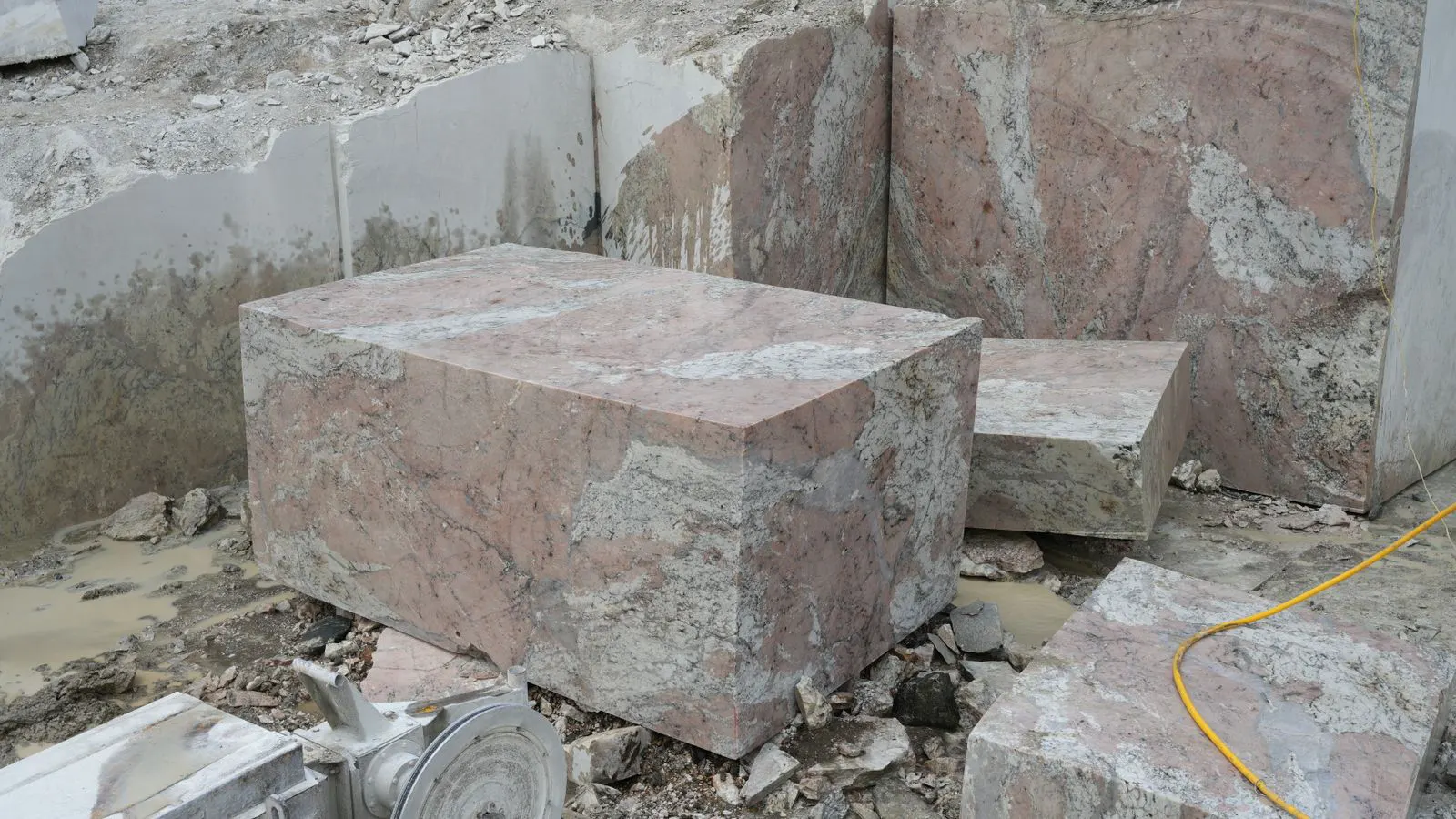
Density is the mass of stone per unit volume. It is measured in kilograms per cubic meter or pounds per cubic foot. Granite is an igneous rock formed from cooled magma. Limestone is a sedimentary rock formed from compressed calcium carbonate. Their crystal structures and mineral compositions determine how much mass fits into the same space.
Granite typically ranges from about 2.6 to 2.7 tons per cubic meter. Limestone sits lower, often between 2.3 and 2.5 tons per cubic meter. The exact value depends on the specific quarry, the mineral content, and the moisture level at the time of weighing.
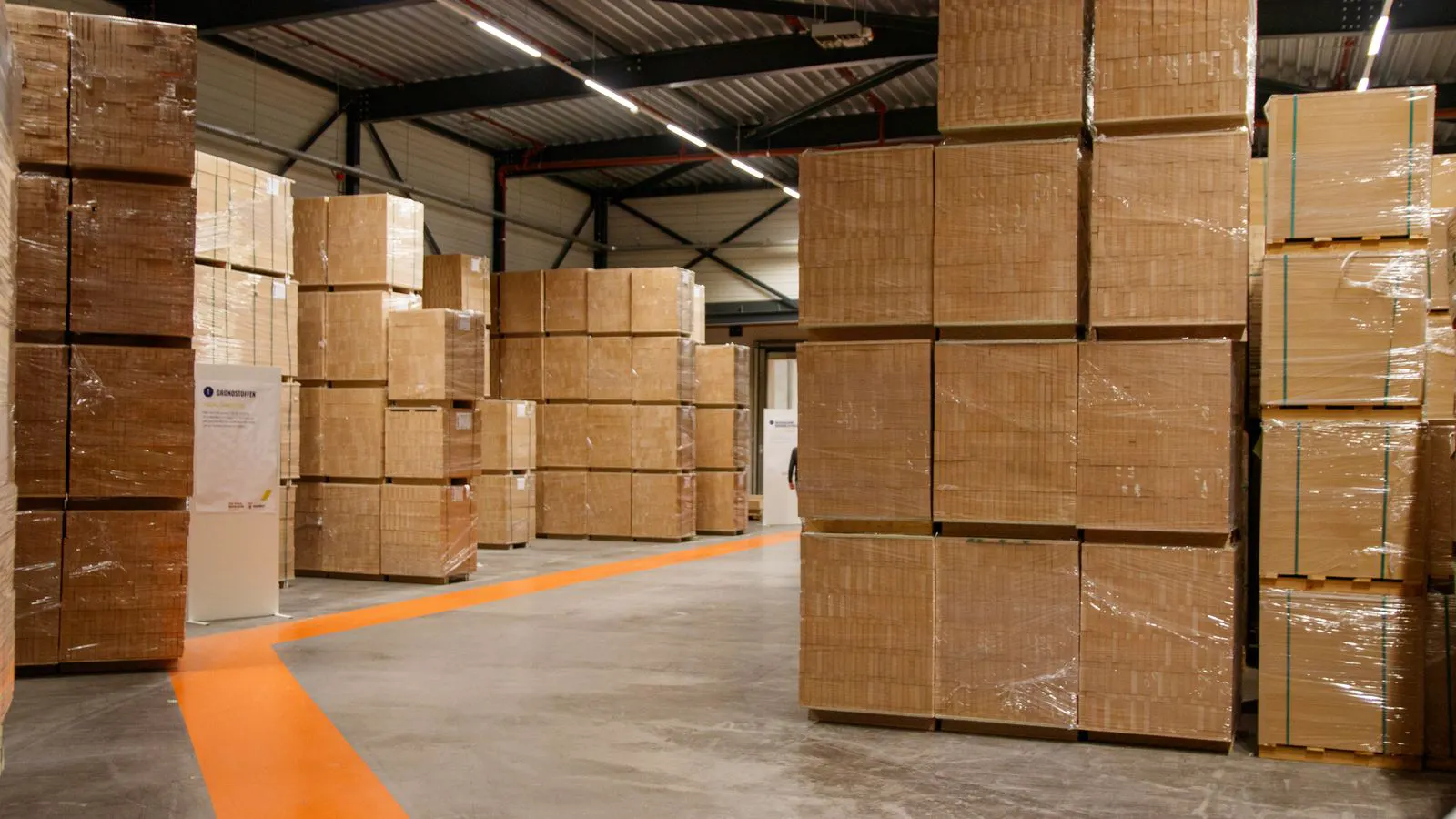
For shipping, the difference is tangible. A full pallet of 3/4 inch granite slabs may reach or exceed the maximum load rating of standard pallets. The same pallet of limestone will usually fall below that limit. Carriers can stack two limestone pallets on a truck where only one granite pallet fits comfortably, or they may need to use specialized equipment for the granite.
How Density Affects Freight Pricing
Freight pricing follows a few standard models. Flat rate by distance is common for short hauls. Tonnage-based pricing dominates for long distance freight. Volumetric pricing applies when the shipment is light but large, such as packaged goods with air inside.
For natural stone, tonnage is the dominant factor. A carrier will weigh the full pallet, including the wood, lashing, and stone. That weight determines the rate. A granite pallet at 2,000 pounds will cost more to ship than a limestone pallet at 1,500 pounds over the same route.
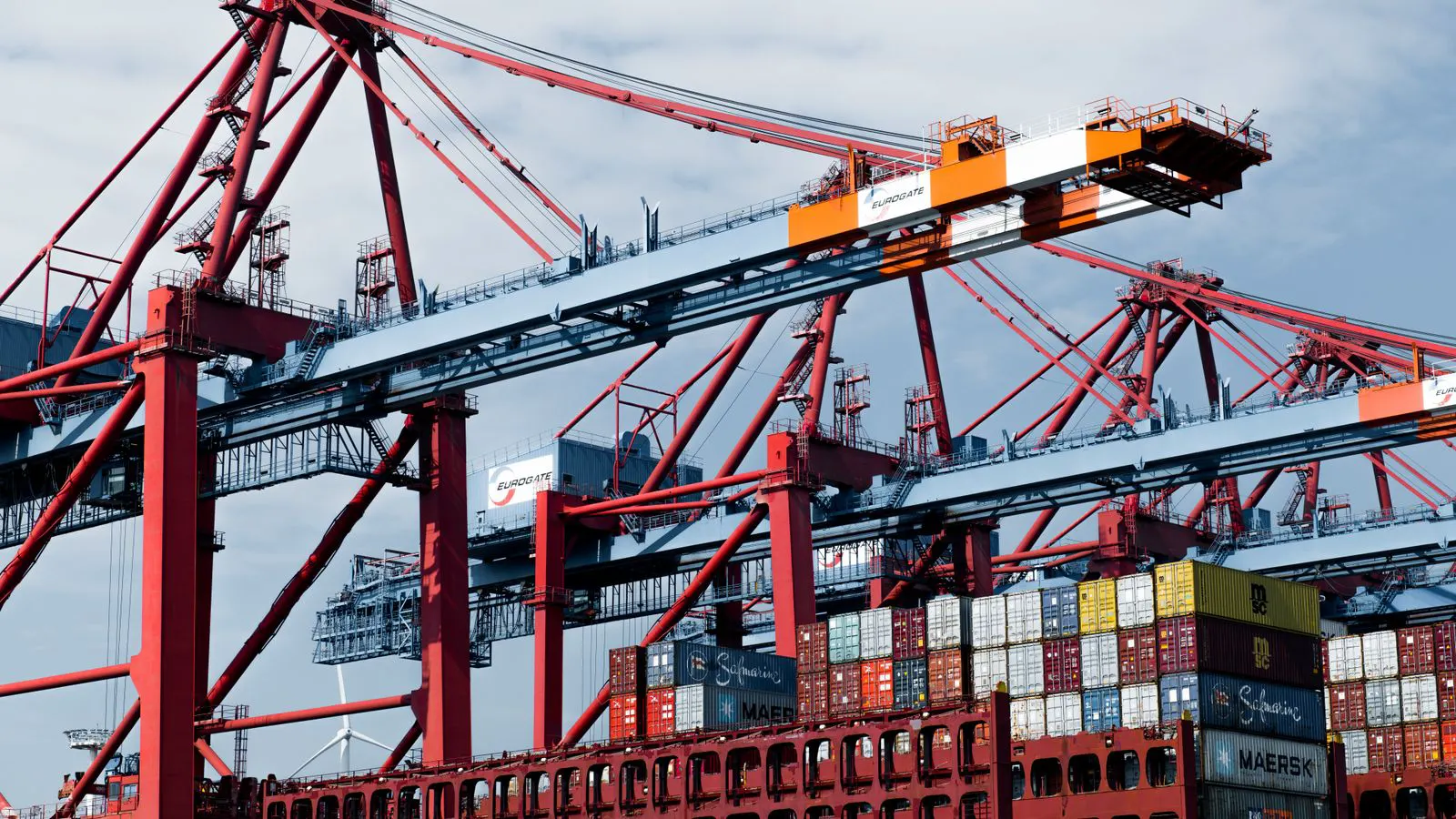
The rate per ton also varies by mode. Road freight is the most common for domestic stone. Rail freight is cheaper per ton for very long distances but requires more handling and is less flexible. Air freight is rare for stone due to the weight-to-value ratio.
When quoting a project, ask the supplier to break down the freight cost by pallet or by tonnage. A single quote for the whole order hides the density impact and makes it hard to compare alternatives.
Packaging and Handling Requirements
Heavier stone needs stronger packaging. Granite pallets require reinforced wood or steel lashing to prevent shifting during transit. Limestone pallets can often use standard wood lashing. The difference is not just cost. It is also risk.
A shifting granite load can crack the wood pallet and damage the slabs on top. The kinetic energy of a 2,000 pound pallet moving even a few inches is enough to cause fractures. Limestone is more forgiving. It absorbs shock slightly better and is less likely to crack from minor impacts.
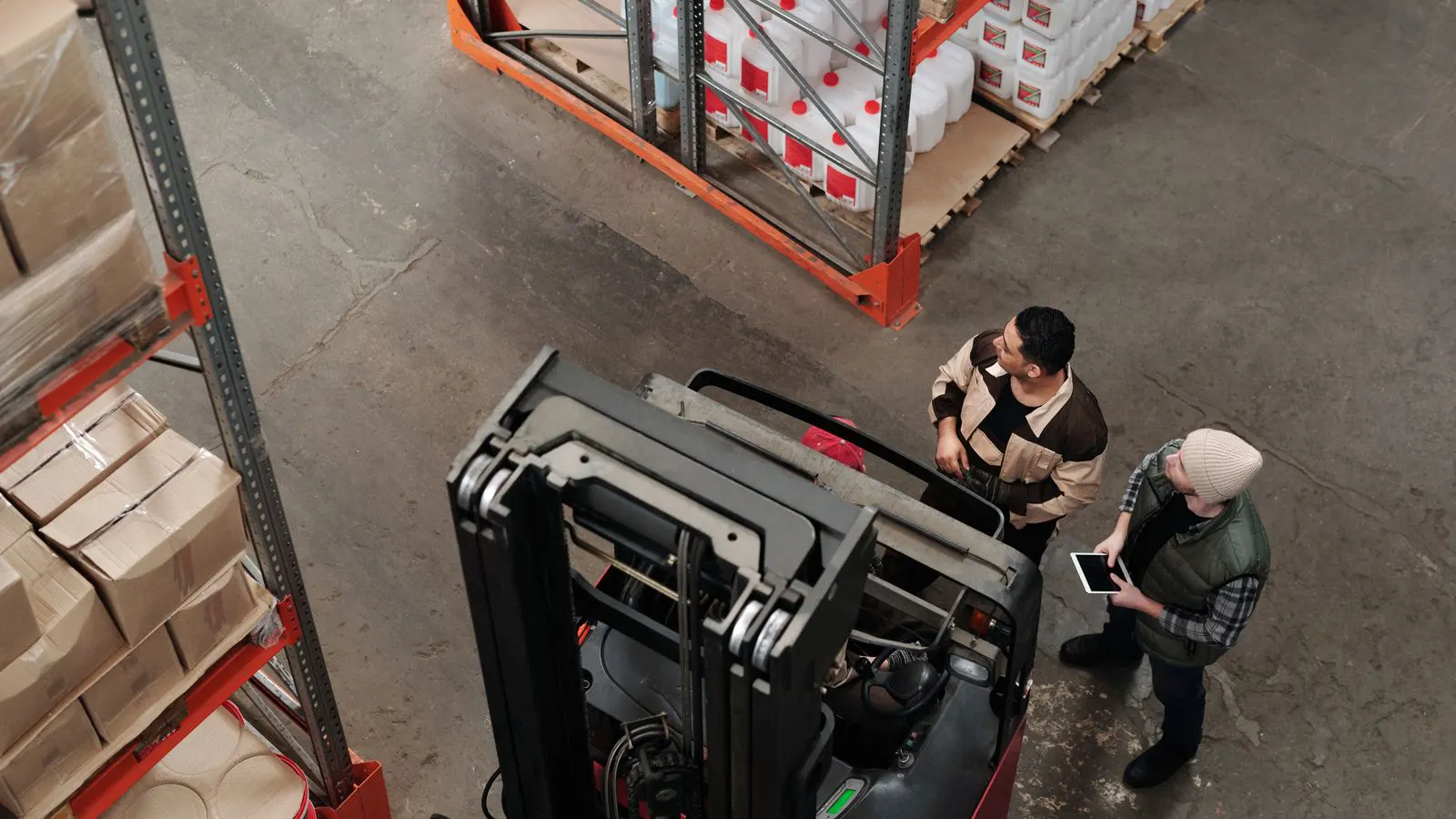
Handling equipment must match the load. A standard forklift handles both, but the operator must be aware of the weight. The granite pallet is harder to maneuver. It may require a larger forklift or a different stacking method. In the warehouse, the granite pallet may need to be placed on the lower rack level to reduce the center of gravity.
These requirements add labor time. More labor time means higher handling costs. The freight quote should include these costs, or at least mention them. If the supplier gives a flat freight figure without explaining the basis, ask for a breakdown.
Comparison Table
| Option | Best for | Limitations |
|---|---|---|
| Road freight by tonnage | Most domestic stone shipments, flexible delivery windows | Cost increases with weight; fuel surcharges apply |
| Rail freight | Very large orders over long distances | Requires dedicated terminal access; slower delivery |
| Volumetric freight | Light, bulky shipments with low weight | Rarely applicable to dense stone; rates can be misleading |
| Consolidated load | Mixed materials or smaller orders | Less control over loading; longer transit time |
| Dedicated truck | Urgent projects or fragile stone | Highest cost per ton; requires full truck commitment |
Road freight by tonnage is the default for most projects. It is flexible and widely available. Rail freight makes sense when the order is large enough to fill a car and the distance is long. Volumetric freight does not apply to most stone shipments because the density is too high. Consolidated load can save money on smaller orders but adds transit time and handling risk. A dedicated truck is expensive but gives full control over loading and delivery.
Managing the Cost Difference
The cost gap between granite and limestone shipping is not just a freight issue. It affects packaging, handling, insurance, and sometimes the quarry itself. Some quarries charge more for denser stone because the cutting process takes more energy. The heavier the block, the more power the saws use.
When budgeting, do not look at the slab price alone. Add the freight, the handling, and the insurance. A granite slab may cost more per square foot, but the freight difference may be even larger. For a project ordering 500 square feet, the freight difference can be a significant portion of the total cost.
Ask the supplier for a written quote that separates the stone cost from the freight cost. This makes it easy to compare alternatives. If the freight cost is too high, you can negotiate a different delivery method, split the shipment, or choose a lighter stone for the less visible areas.
Some suppliers offer freight consolidation. They combine multiple orders into one truck. This lowers the cost per ton. It also means the delivery schedule is fixed. If your project timeline is tight, consolidation may not work.
Practical Steps for Buyers
- Request the actual weight of the pallet, not just the square footage.
- Ask the carrier to quote by tonnage, not by flat rate.
- Confirm the packaging method for the specific stone type.
- Check the forklift and rack capacity at your site.
- Ask for a freight breakdown in the final invoice.
These steps do not require technical expertise. They require clear communication. A supplier who knows their logistics will provide this information without hesitation. If they do not, that is a sign to ask better questions.
The goal is to understand the full cost of moving stone from the quarry to your site. Density is the main driver. By understanding it, you can make smarter choices and avoid surprise costs.
When to Choose Each Material
Granite is chosen for durability, scratch resistance, and high traffic areas. The higher shipping cost is often acceptable for these applications. A countertop in a commercial kitchen or a floor in a hospital needs a stone that will last. The freight cost is small compared to the cost of replacement.
Limestone is chosen for aesthetic value, ease of cutting, and interior applications. The lower shipping cost is a benefit. It is also easier to handle on site. The slabs are lighter, which reduces the need for heavy equipment. This can save on labor and site preparation.
The choice depends on the project. If the stone is for a high wear area, the durability of granite may justify the freight cost. If the stone is for a decorative feature or a low traffic area, the lower cost of limestone may be the better choice. There is no single answer. The context matters.
Final Thoughts
Granite vs limestone shipping is a matter of physics and logistics. Density determines weight. Weight determines freight cost. The difference is real and measurable. By understanding the mechanics, you can manage the cost and make informed decisions.
Do not assume that the slab price is the only variable. The freight cost can be a significant portion of the total. Ask the right questions. Get the numbers in writing. Compare the options. The answer will depend on your project, but the process is the same.
Frequently asked questions
Does granite always cost more to ship than limestone?
In most cases, yes, because granite is denser and heavier per square foot. However, the exact cost depends on the specific quarry, slab thickness, and shipping method.
Can I reduce shipping costs by choosing a different slab thickness?
Yes. A thinner slab weighs less and may allow more slabs per pallet. This can lower the tonnage-based freight cost. However, thinner slabs may be less durable for high wear applications.
How does packaging affect the shipping cost?
Heavier stone requires stronger packaging, which adds material cost. It may also require more labor to assemble and disassemble. This is usually included in the freight quote.
Is rail freight cheaper than road freight for stone?
Rail freight is often cheaper per ton for very long distances. However, it requires more handling and is less flexible. For short to medium distances, road freight is usually more cost effective.
Should I request a freight quote by tonnage or by flat rate?
Request a quote by tonnage. Flat rate quotes may not reflect the actual weight of your shipment and can be misleading. Tonnage-based quotes are more accurate for dense materials.