Granite vs. Gneiss: Density and Aesthetic Range for Facades
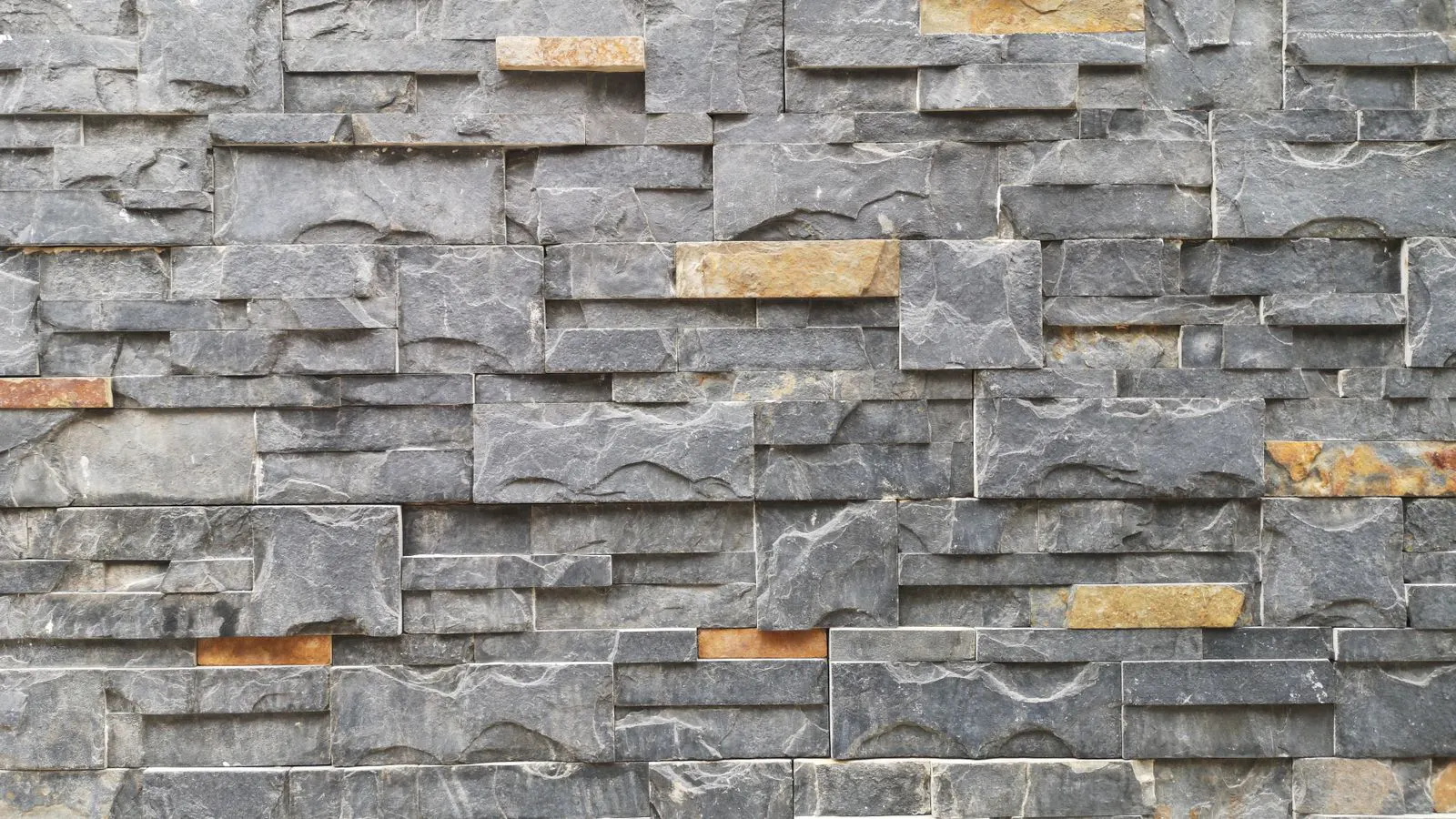
Granite and gneiss differ in density, veining, and color consistency. Granite suits uniform, high-strength facades, while gneiss offers varied aesthetics for textured designs. Selection depends on structural loads, visual goals, and maintenance needs.
- Granite offers higher density and uniform grain, making it ideal for large, uniform facade panels.
- Gneiss provides stronger color banding and texture, suiting designs that need visual depth.
- Both stones perform well outdoors, but structural requirements and aesthetic goals dictate the choice.
- Always check slab samples for density consistency and veining patterns before specifying full facades.
Why Density Matters for Exterior Stone
Facades face constant weathering, temperature changes, and structural loads. Stone density determines how a material handles these forces. Granitic and gneissic rocks both form from igneous and metamorphic processes, yet they behave differently under stress and light.
Granite typically contains quartz, feldspar, and mica in a tightly interlocking crystal matrix. This structure resists compression and abrasion. The stone often holds together tightly, which reduces the risk of edge chipping during installation. For a high-rise facade or a ground-floor entryway with heavy foot traffic, this stability matters.
Gneiss forms when granite undergoes heat and pressure. Minerals align into bands, creating a layered structure. This banding can weaken the stone if it runs parallel to the cut face. A slab with strong banding may split along those lines. Engineers must inspect slabs for banding direction before approving them for load-bearing applications.
Visual Differences That Define Aesthetic Range
The visual distinction between granite and gneiss is immediate. Granite tends toward a speckled or granular texture. The crystals are distributed evenly, creating a consistent surface. A granite facade reads as uniform from a distance. This uniformity suits modern architecture where clean lines and solid massing take priority.
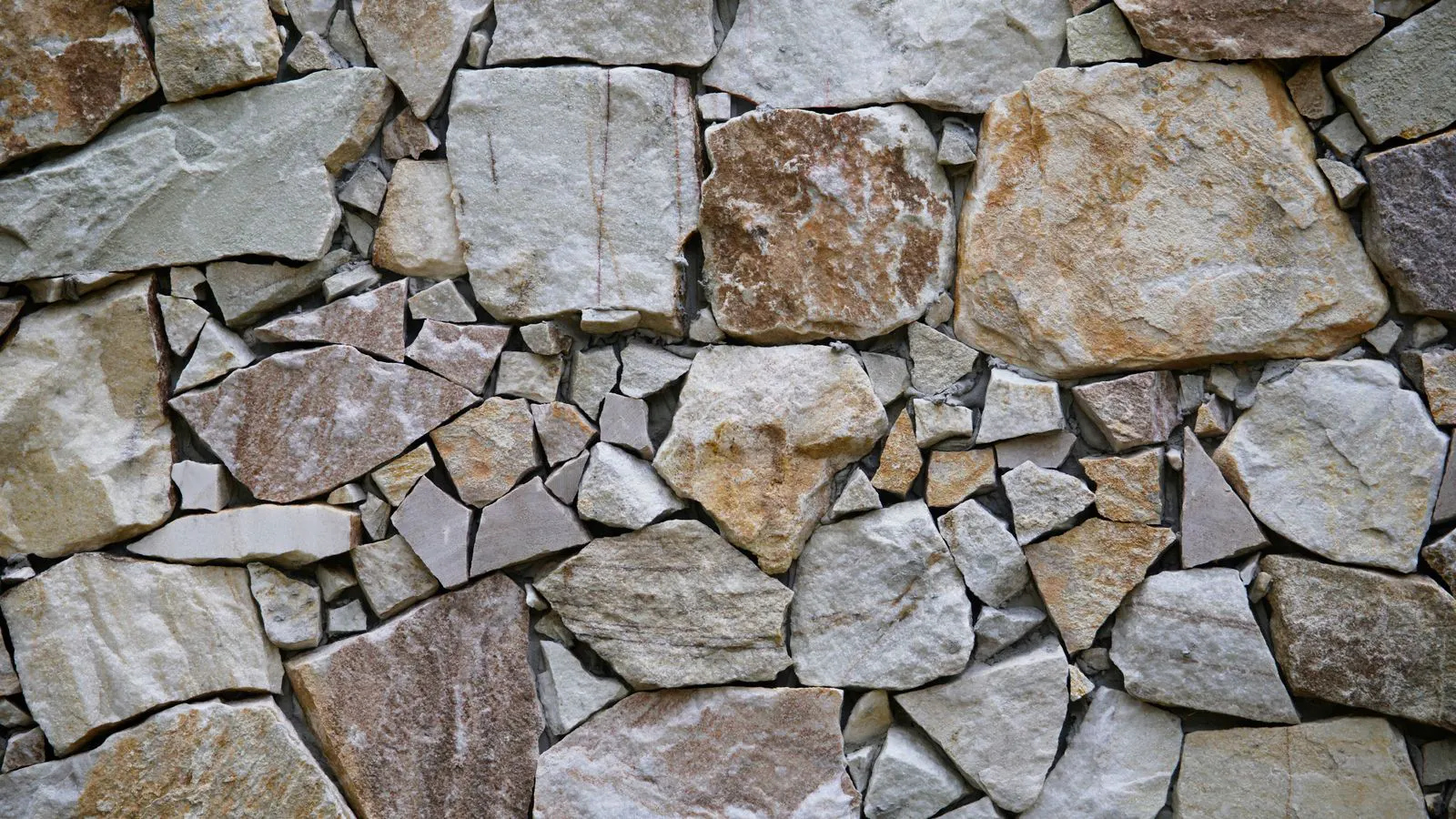
Gneiss displays banding and foliation. Dark and light minerals separate into visible stripes. These stripes can be subtle or dramatic. Some gneiss slabs resemble marble, while others look like layered sediment. The visual effect changes depending on the cut. A book-match slab can mirror the banding, creating a symmetrical pattern. A random slab layout shows the stone’s natural variation.
For a residential facade, gneiss may add character. The banding draws the eye and breaks up large flat surfaces. For a corporate office, granite provides a neutral backdrop. The choice depends on the architectural intent. A building that wants to feel grounded and textured may favor gneiss. A building that wants to feel solid and unchanging may favor granite.
Structural Performance in Facade Applications
Both stones are hard and durable, but their structural behavior differs in subtle ways. Granite’s uniform crystal structure distributes stress evenly. This makes it well suited for large panels that support their own weight plus wind loads. Engineers often specify granite for cladding systems that rely on mechanical attachment rather than mortar.
Gneiss requires more careful selection. The banding creates planes of weakness. If the banding runs horizontally, the stone may split between bands under lateral pressure. Vertical banding is generally safer for facades because the stress runs through the bands rather than along them. Always request slabs with banding perpendicular to the primary structural axis.
Wind loading is a key factor. A facade panel that flexes slightly under wind pressure can fatigue at the attachment points. Dense, uniform stone resists this movement better. Gneiss panels may need thicker attachments or additional backing to prevent micro-movement. This does not mean gneiss is unsuitable. It means the design must account for its layered structure.
Aesthetic Range for Different Architectural Styles
Granite works across many styles. Its neutral tones and consistent grain suit both traditional and contemporary buildings. A gray granite facade can look formal and corporate. A speckled granite in brown and black tones adds warmth to a residential entry. The stone’s consistency means that even large installations maintain a unified look.
Gneiss offers a broader aesthetic range. The banding can mimic the appearance of marble or slate. A pink gneiss with dark banding can look ornate and historic. A green gneiss with white stripes can feel modern and striking. The stone’s variation means that no two slabs look identical. This can be an advantage or a disadvantage. For a smooth wall, variation may be unwelcome. For a textured feature wall, variation is the point.
Consider the viewing distance. From across a street, banding may blur into a mottled pattern. Up close, the stripes become clear. A gneiss facade may look different depending on how people approach it. This dynamic quality can enhance the building’s presence. It can also complicate the design if the pattern feels chaotic.
Installation and Maintenance Considerations
Both stones are low maintenance. They resist staining and do not need regular sealing. However, the installation process differs based on stone behavior. Granite is straightforward to cut and fit. The stone holds edges well, so panels look crisp. Gneiss may require more care during cutting. The banding can cause chips or splits if the cut runs along a weak plane.
For large facades, panel size matters. Granite allows for larger panels because of its structural integrity. This reduces the number of joints and fasteners. Gneiss panels are often smaller or require additional support. Smaller panels mean more joints, which can affect the visual rhythm of the facade. Designers must balance aesthetic goals with practical installation limits.
Maintenance is similar for both. Dirt and water stains can be removed with standard stone cleaning. Neither stone requires special treatment. The only difference is that gneiss may show water marks more visibly if the banding traps moisture. This is a minor concern but worth noting for low-lying areas.
When to Choose Granite Over Gneiss
Granite is the better choice when you need a uniform, high-strength facade. It suits buildings with large flat surfaces where consistency is key. A corporate headquarters, a bank, or a modern office tower benefits from granite’s neutral appearance and structural reliability.
Granite also works well for high-traffic areas. The dense crystal structure resists abrasion from foot traffic and vehicles. If the facade includes a ground-level entry or a public plaza, granite handles the wear better. The stone’s even grain also makes it easier to match during replacements. A new slab blends in easily because the pattern is consistent.
Choose granite when the architectural design calls for a solid, unchanging presence. It does not distract. It provides a stable backdrop for windows, doors, and signage. If the goal is a clean, professional look, granite is the safer bet.
When to Choose Gneiss Over Granite
Gneiss is the better choice when you want visual depth and texture. The banding and color variation create a dynamic surface that changes with the light. A gneiss facade can feel more organic and less rigid than granite.
This stone suits buildings that want a distinctive character. A residential home, a cultural center, or a boutique hotel benefits from gneiss’s aesthetic range. The stone’s patterns can complement the building’s design intent. A gneiss facade can feel warm and inviting, or bold and striking, depending on the color and banding.
Choose gneiss when the design calls for texture and variation. It works well for feature walls, entryways, or buildings that want to stand out. The stone’s layered structure adds visual interest that granite cannot provide. It is a better choice for projects where the facade is a focal point rather than a neutral background.
Practical Selection Checklist
Selecting between granite and gneiss requires a careful review of several factors. Start with the architectural intent. Does the building need a uniform look or a textured one? This decision narrows the options immediately.
Next, evaluate the structural requirements. Check the panel size, attachment method, and wind loading. Granite handles large panels better. Gneiss requires careful orientation of the banding. Always inspect slabs for weak planes before approving them.
Finally, consider the maintenance plan. Both stones are durable, but gneiss may show water marks more easily. If the building is in a coastal or high-rainfall area, test a sample slab over time. Look for color changes or surface degradation. This simple check can save problems later.
| Option | Best for | Limitations |
|---|---|---|
| Granite | Uniform, high-strength facades; large panels; corporate and public buildings | Can look plain; less visual interest; harder to achieve a textured look |
| Gneiss | Textured, dynamic facades; residential and cultural buildings; feature walls | Banding can weaken structure; requires careful slab selection; more variation between slabs |
| Mixed Use | Buildings that combine structural and aesthetic zones | More complex design; requires careful coordination between zones; potential visual clash |
| Engineered Stone | High-traffic areas with strict uniformity | Higher cost; less natural variation; may not suit organic design goals |
Final Thoughts on Facade Material Choice
The choice between granite and gneiss comes down to balance. Granite offers stability and consistency. Gneiss offers character and variation. Both are durable and low maintenance. The best stone depends on the building’s structural needs, visual goals, and site conditions.
Always start with slab samples. Look at them in natural light. Check the banding direction for gneiss. Feel the density and weight. A physical sample reveals more than a photograph. A well-chosen stone facade lasts for decades. The initial selection sets the tone for the building’s entire life.
Frequently asked questions
Is granite stronger than gneiss?
Granite is generally stronger due to its uniform crystal structure. Gneiss can be strong but has banding that creates planes of weakness. The strength depends on the specific slab and its orientation.
Can gneiss be used for large facades?
Yes, but it requires careful selection. The banding must be oriented to handle structural loads. Larger panels may need additional support to prevent splitting along weak planes.
Which stone is easier to maintain?
Both are low maintenance. Neither requires regular sealing. Gneiss may show water marks more visibly if the banding traps moisture, but this is a minor concern for most facades.
How do I choose between the two for a residential facade?
Choose granite if you want a uniform, neutral look. Choose gneiss if you want texture and visual interest. Consider the viewing distance and the building's architectural style.
Are there any issues with color variation?
Gneiss has more color variation than granite. This can be an advantage for textured designs but a disadvantage for uniform facades. Always review multiple slabs before committing to a design.