Cost and Lead Time for Textured Stone Finishes
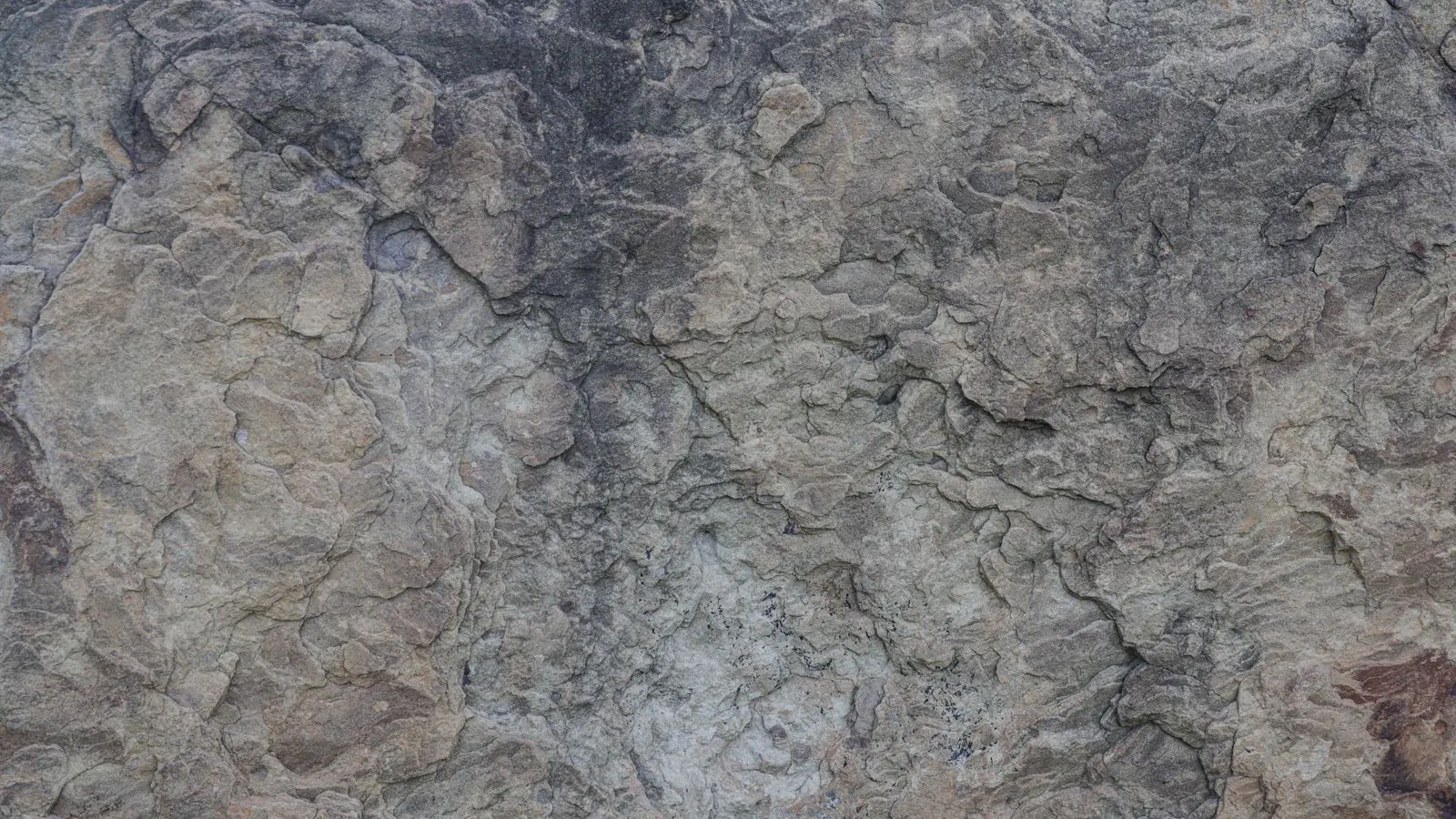
Textured stone cost varies significantly based on material, texture depth, and processing complexity. Lead times extend with multi-stage finishes. Importers must define exact surface profiles and inspection standards in their RFQ to secure accurate quotes and avoid project delays.
- Textured stone cost rises with surface complexity, material hardness, and required quality controls.
- Processing lead time depends on the number of machine passes, drying cycles, and batch sizes.
- A precise RFQ specifying texture depth and sample requirements prevents quote discrepancies.
- Importers should compare quotes based on per-square-meter rates, not total project cost alone.
- Factory audit and sample approval stages significantly impact the final delivery schedule.
What Drives the Cost of Textured Finishes
Textured stone cost is not a fixed rate. It fluctuates based on the interaction between the raw material and the mechanical processes applied to it. When a buyer requests a standard polished slab, the cost is relatively predictable because the process involves consistent grinding and polishing operations. However, textured finishes introduce variables that complicate pricing. These variables include the depth of the texture, the pattern used, and the hardness of the stone itself.
Harder stones require more energy to shape. Granite and quartzite, for example, demand heavier abrasive tools and longer machine times compared to softer marbles or limestones. The abrasive material wears down faster on harder surfaces, increasing the consumable cost per square meter. Soft stones may chip or scratch during texturing, requiring slower feed rates and more careful handling to prevent damage. This operational caution translates directly into higher labor and machine hours.
The specific texture type also dictates the cost. A basic sandblasted surface is a single-pass operation that is relatively quick. A book-matched flamed finish, however, involves heating the stone to high temperatures and then cooling it, a process that requires specialized equipment and strict temperature control. The thermal shock method creates a pebbled surface, but the energy cost and the risk of cracking the stone add to the price. Complex patterns, such as hammered or chiseled textures, involve multiple tool changes and precise positioning, which slows down production and increases the need for skilled operators.
How Stone Processing Lead Time Works
Stone processing lead time is often misunderstood as a simple calendar count from order to delivery. In reality, it is a sequence of dependent stages. The total duration is the sum of cutting, texturing, finishing, quality control, packing, and shipping. Each stage has a minimum processing time that cannot be shortened by paying more. If a factory is already at capacity, the order enters a queue. That queue time can extend the lead time by weeks or months.
The texturing phase itself has specific constraints. Some finishes require the stone to be at a certain moisture content. If the stone is too wet, the texture may not adhere correctly or may cause the surface to blur. If it is too dry, the abrasive tools may create inconsistent depths. Factories often run batches to maintain consistency. They will not process a single slab for a specific project if it disrupts a larger batch of identical slabs. This batching strategy creates a lead time structure where small orders are often slower than large, uniform ones.
Quality control adds another layer to the schedule. Textured surfaces are more prone to visible defects than polished ones. A small pit or an inconsistent texture depth is highly visible on a textured surface. Engineers and buyers must specify the acceptable defect rate. A higher standard of quality control requires more manual inspection, which takes time. Factories may need to reject more slabs to meet the specified standard, which reduces the usable inventory and extends the time needed to fill the order.
How to Write a Clear RFQ for Textured Stone
A vague request for “textured stone” leads to inaccurate quotes. Different factories interpret texture depth, pattern, and finish quality differently. To get a fair comparison, the RFQ must define the surface profile with precision. Importers should specify the texture type, such as sandblasted, flamed, or hammered. They must also indicate the target depth in millimeters. Without this data, a factory might quote for a shallow texture while the buyer expects a deep, rugged finish.
The RFQ should include a reference sample. Sending a physical sample or a high-resolution photograph of a desired texture helps align expectations. It is also useful to specify the stone species and the expected thickness. A 20mm slab may require different texturing parameters than a 30mm slab because the stone is more stable during machining. The document should state the total area, the tolerance for color variation, and the acceptable defect rate. These details allow the factory to calculate the material loss and labor time accurately.
Logistics details must be included in the RFQ as well. The delivery location determines the packing requirements. If the stone is for a high-rise building, the crates must withstand stacking and heavy handling. If it is for a ground-floor installation, standard packing may suffice. The incoterms, such as FOB or CIF, define where responsibility for risk and cost shifts. A clear RFQ reduces back-and-forth communication, which is a major hidden cost in international trade. It also allows the factory to plan its production schedule more efficiently, potentially leading to a better price.
How to Compare Quotes Fairly
Comparing quotes for textured stone is not a matter of picking the lowest number. The quotes may be based on different assumptions about material loss, machine availability, and quality standards. To compare them fairly, importers should break down the total price into components. Look for the unit price per square meter, the cost of packing, and any surcharges for special handling. A lower unit price might be offset by higher defect rates or stricter minimum order quantities.
Ask for a sample before committing to a bulk order. The sample should come from the same batch as the production run if possible. This ensures that the texture depth and color are consistent with what the factory plans to deliver. If the factory cannot provide a sample from the same batch, the risk increases. The sample should be tested under the lighting conditions of the actual installation site. Textured surfaces reflect light differently than polished ones, and the visual impact can change dramatically depending on the ambient lighting.
Check the payment terms. A lower price with a requirement for full prepayment carries higher risk than a higher price with a milestone payment structure. Factories with strong financial positions may offer more flexible terms. Importers should also verify the factory’s capacity for the specific texture. A factory that specializes in polishing may not have the specialized equipment for flamed finishes, leading to outsourced processing. Outsourcing adds cost and extends the lead time.
Key Cost Drivers in Textured Stone
The following table outlines the primary factors that influence the price of textured stone finishes. Understanding these drivers helps importers identify where cost savings might be achieved or where premium pricing is justified.
| Cost Driver | Impact on Price | Operational Explanation |
|---|---|---|
| Stone Hardness | High | Harder stones consume abrasive tools faster and require longer machine cycles. |
| Texture Complexity | High | Multi-pass or thermal processes increase labor and energy costs. |
| Defect Tolerance | Medium | Stricter quality control leads to higher rejection rates and manual inspection. |
| Batch Size | Medium | Small, custom batches reduce efficiency and increase per-unit labor cost. |
| Packing Standards | Low to Medium | Heavy-duty crates for high-rise sites add material and labor costs. |
Managing Lead Time Risks
Lead time risks are manageable but require proactive planning. Importers should build in buffer time for each major stage. A standard lead time of eight weeks might become twelve weeks if the factory experiences a machine breakdown or if the stone requires extra drying time. The RFQ should request a production schedule that lists the start date for each stage. This allows the buyer to track progress and identify delays early.
Communication is key during the production phase. Factories should provide updates at key milestones, such as when the stone has been cut, textured, and packed. If a delay occurs, the factory should notify the buyer immediately and propose a revised schedule. Importers should also consider the shipping route. Weather disruptions, port congestion, and customs delays can add weeks to the delivery time. These factors are outside the factory’s control but impact the project timeline.
Having a backup supplier is a prudent strategy. If the primary factory faces a delay, a secondary supplier can potentially cover the gap. To activate this option, the secondary supplier must already have approved samples and understood specifications. This requires extra work upfront but reduces the risk of project stoppages. Importers should also check the factory’s financial health. A financially unstable factory may delay production to pay other creditors, which can halt the order.
Final Checks Before Order Confirmation
Before placing the order, conduct a final review of the documentation. Verify that the texture specification, stone species, thickness, and area match the approved sample. Check the packing list to ensure it covers all the slabs and includes any special instructions for handling. Confirm the shipping documents and insurance coverage. These final checks prevent disputes and ensure that the delivered product meets the project requirements.
The process of sourcing textured stone is a technical exercise that requires attention to detail. The cost and lead time are not just numbers; they reflect the physical reality of shaping stone. By defining the surface profile clearly, understanding the processing stages, and comparing quotes with a critical eye, importers can secure reliable supplies and manage their project budgets effectively. The goal is to align the factory’s capabilities with the project’s needs, ensuring a smooth and predictable delivery.
Frequently asked questions
Can textured stone be processed in small batches?
Yes, but small batches often incur higher per-unit costs. Factories may charge a minimum order fee or require longer lead times to justify the setup time for custom textures.
How does texture depth affect the stone's durability?
Deeper textures can be more durable in some outdoor applications because they hide stains and wear better. However, very deep textures may be harder to clean and can trap dirt in the crevices.
What is the difference between sandblasting and flaming?
Sandblasting uses abrasive particles to create a uniform, matte surface. Flaming uses open flame to vaporize the surface, creating a pebbled, textured finish. Flaming is a thermal process, while sandblasting is a mechanical one.
How should I specify the texture in my RFQ?
Specify the texture type, such as sandblasted or hammered. Include the target depth in millimeters and provide a reference sample or photograph. State the stone species and thickness to ensure accurate quoting.
Can I get a sample from the same batch as the production run?
It is highly recommended to request a sample from the same batch. This ensures consistency in texture depth and color. If the factory cannot provide this, the risk of variation in the final delivery increases.