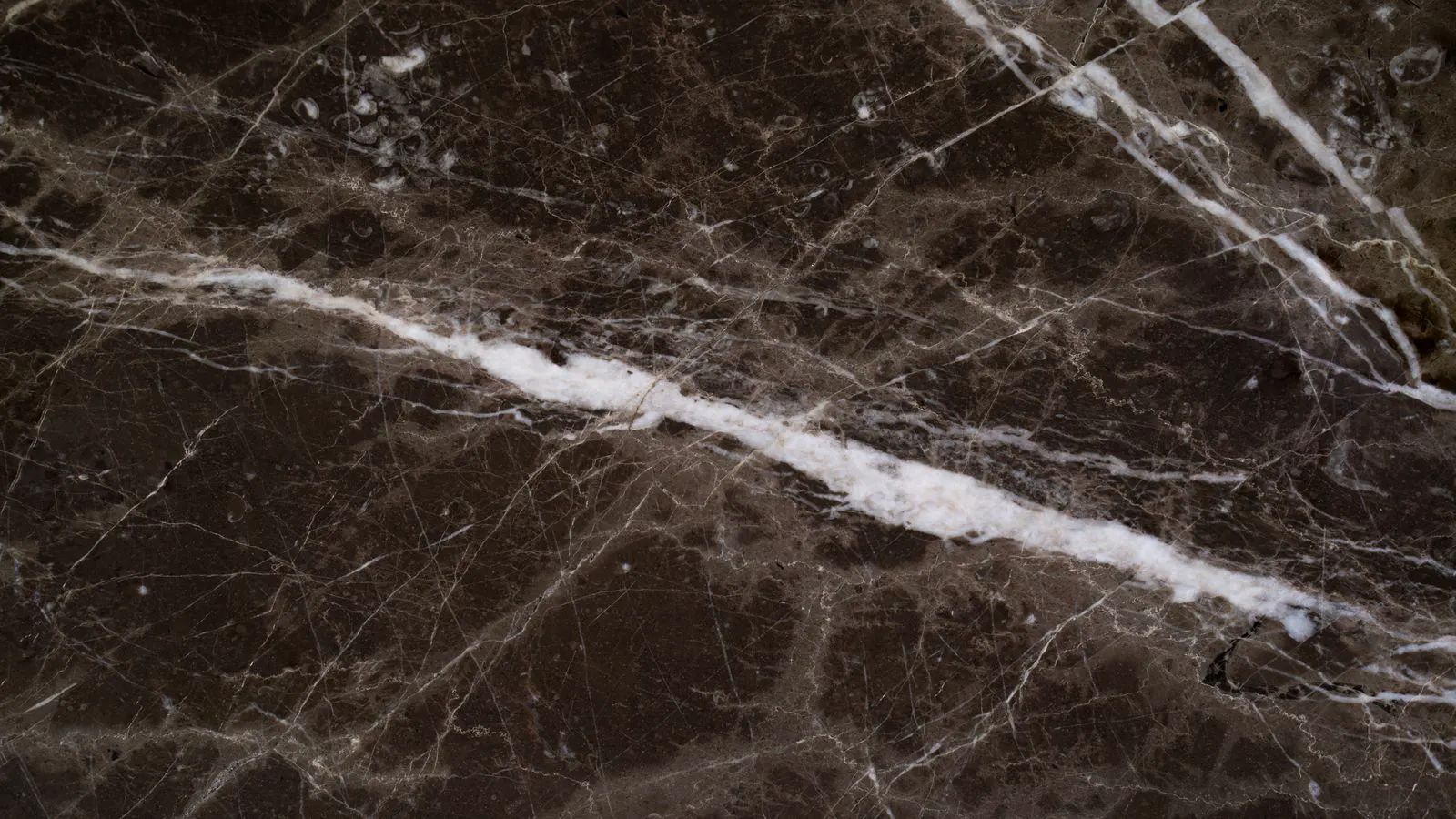
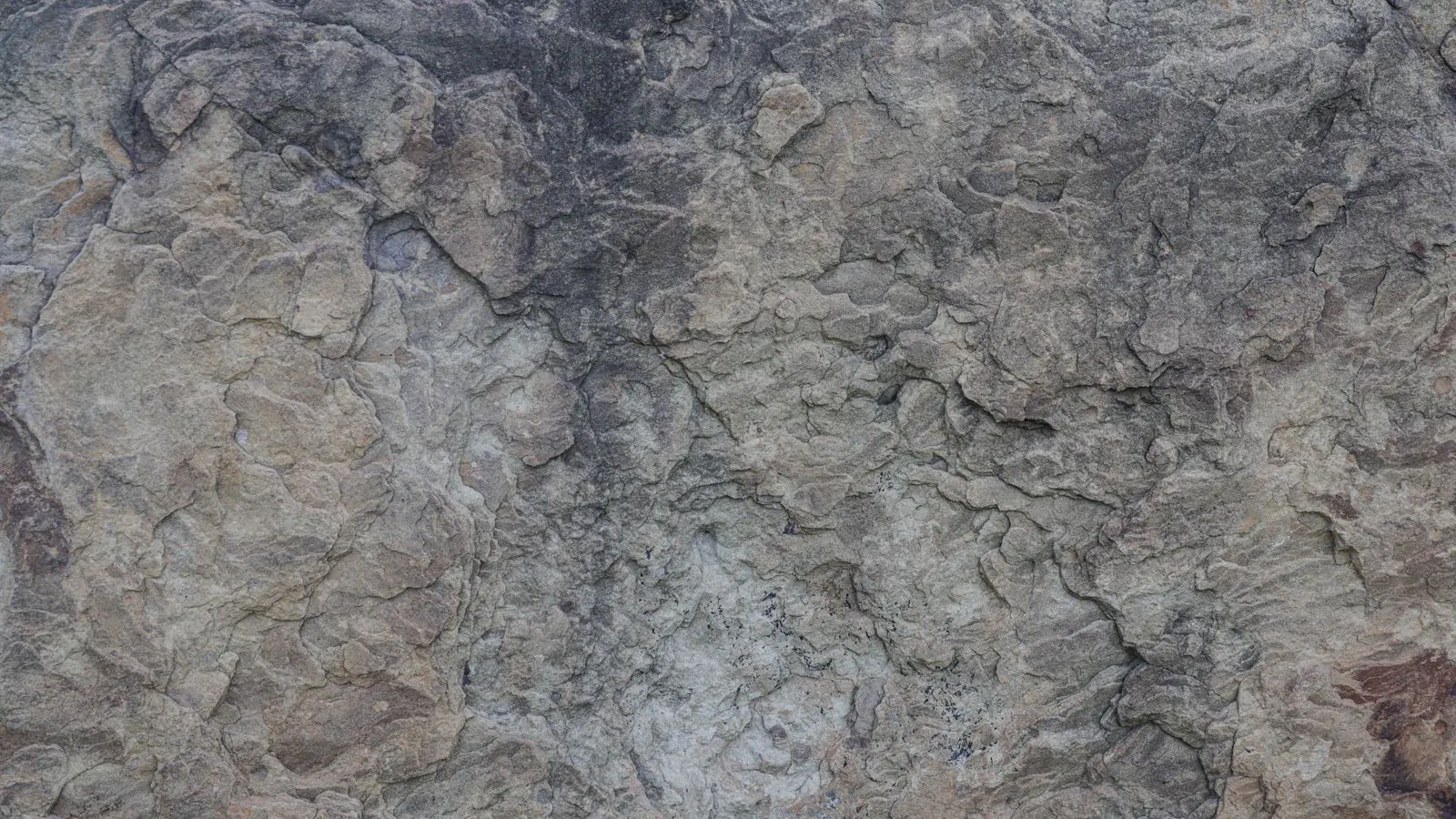
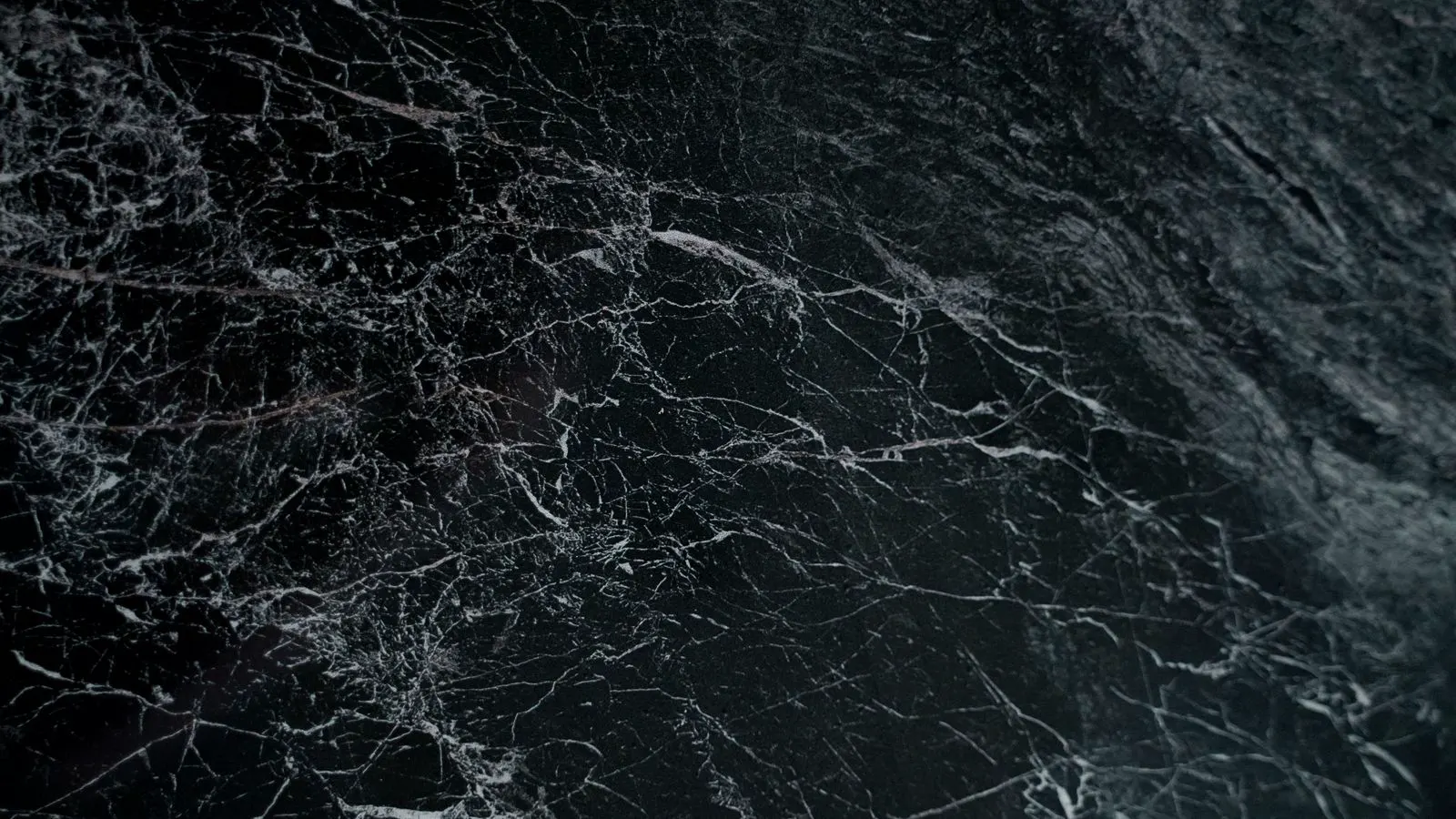
Polished vs Textured Stone: Surface Performance Comparison
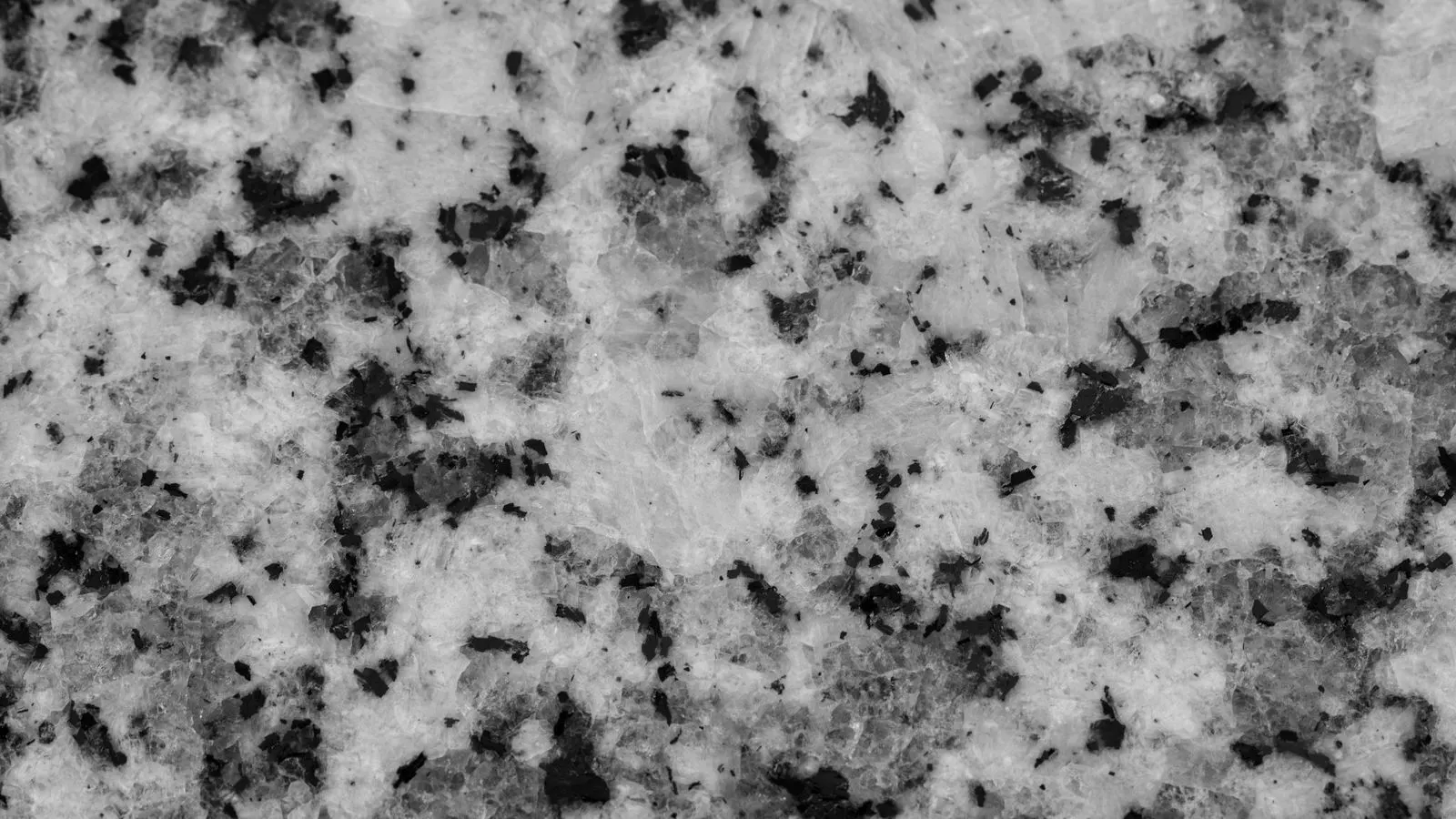
Polished stone offers high reflectivity and easy maintenance but lower friction. Textured finishes provide better slip resistance and hide wear, at the cost of higher cleaning effort. The right choice depends on foot traffic, wet conditions, and the required level of visual precision.
- Polished stone maximizes light reflection and simplifies cleaning but offers less traction, especially when wet.
- Textured finishes increase surface friction and mask minor wear, though they require more frequent cleaning to prevent staining.
- Engineers must match the finish to the environment. Wet areas and high traffic zones usually favor textured or honed options.
- The choice between finishes also affects long-term maintenance costs and the need for periodic re-polishing or refinishing.
What determines the surface performance of a stone finish?
The finish applied to natural stone changes how the material behaves under foot traffic, water exposure, and chemical contact. A polished surface is dense and smooth. A textured finish has a rougher profile, either from mechanical abrasion, acid etching, or flame treatment. These surface treatments alter the top layer of the stone, creating distinct physical properties that dictate daily use.
These differences alter three core performance metrics: friction, maintenance effort, and visual tolerance. Friction determines slip resistance. Maintenance effort depends on how visible dirt and wear become. Visual tolerance relates to how well the finish hides scratches, chips, and color variation.
Engineers and buyers often focus only on the look of a slab. Performance data should drive the decision. The finish is not just a cosmetic step. It defines how the stone will function on a building floor, a countertop, or a public plaza. When a project specification lists a stone type without a defined finish, the result is often a mismatch between expectation and reality. A slab that looks perfect in a showroom may become a liability in a wet corridor if the surface profile is wrong.
How polished and textured finishes compare in performance
| Option | Best for | Limitations |
|---|---|---|
| High-gloss polished | Interiors with low foot traffic, display counters, and decorative walls | Low traction when wet, shows every scratch and dust particle, requires regular polishing |
| Honed (semi-smooth) | High-traffic corridors, entryways, and wet areas like kitchens or bathrooms | Less reflective than polished, can show oil stains if not sealed properly, still slippery when wet |
| Textured (sandblasted or etched) | Public plazas, outdoor walkways, and areas with heavy wet foot traffic | Stains more easily, harder to clean, rougher feel underfoot, higher initial processing cost |
| Flame-finished | Outdoor facades, landscaping, and rustic interiors | Uneven surface profile, limited to certain stone types, difficult to repair if chipped |
Understanding these categories requires looking beyond the gloss level. A polished finish is achieved by grinding the stone with progressively finer diamond abrasives until a mirror surface is formed. This process removes the top layer of stone, exposing a dense, glass-like core. A honed finish stops short of that final polishing stage. It uses coarser abrasives, leaving a matte surface with a fine, even grit. Textured finishes introduce irregularity. Sandblasting uses compressed air and abrasive particles to blast the surface, creating a pitted profile. Etching uses an acid solution to dissolve the surface, leaving a microscopic web of grooves. Flame finishing uses high-temperature torches to rapidly heat and cool the stone, causing the surface layer to spall and crack, creating a rough, uneven texture.
Each method serves a different purpose. Polishing maximizes reflectivity. Honing balances durability with aesthetics. Texturing maximizes grip and durability. Flame finishing creates a rustic aesthetic and is often used on granite slabs for outdoor applications where a uniform surface is not required.
Slip resistance in wet conditions
Slip resistance is the primary safety concern for floor applications. Polished stone has a very smooth surface. When dry, it offers decent traction. When wet, the friction drops significantly. A drop of water or oil on a polished granite floor can create a dangerous slip hazard. This is not a theoretical risk. It happens in restaurants, office lobbies, and hospital corridors every day. The smooth surface prevents the sole of a shoe from gaining purchase, especially when a thin film of water or cleaning solution is present.
Textured finishes increase the surface area in contact with the foot. The irregularities grip the shoe or sole. Etched or sandblasted surfaces generally provide higher friction than polished or honed surfaces. This makes them the standard choice for public buildings, hospital corridors, and outdoor areas where rain or cleaning water is present. The texture provides mechanical interlock with the shoe sole. Even if the stone is wet, the rough profile prevents the sole from sliding easily.
Honed stone sits between the two. It is smoother than a textured finish but rougher than a polished one. It offers moderate traction. For indoor wet areas like bathrooms, honed finishes are often preferred over polished because they reduce the risk of slipping without sacrificing too much visual refinement. However, honed stone is not a solution for all wet environments. In areas with heavy water runoff or where grease is a concern, a more aggressive texture is required.
Slip resistance is not a static property. It changes over time. A polished floor that starts with low traction can become even more slippery as dust and grime accumulate. Conversely, a textured floor can lose some of its grip if the surface becomes clogged with dirt. Regular cleaning is part of the safety equation. A floor that is not cleaned properly will not perform as specified, regardless of the initial finish.
Aesthetics and visual impact
Polished stone is chosen for its mirror-like reflectivity. It highlights the grain, color variation, and pattern of the stone. In a reception area or a kitchen island, a polished surface creates a sense of luxury and precision. The light bounces off the top layer, making the stone appear deeper and more vibrant. This effect is powerful. It can transform a simple slab of granite into a focal point. The clarity of the surface allows viewers to see the internal structure of the stone, including veins, crystals, and color shifts.
Textured stone has a matte, diffuse appearance. Light scatters across the rough profile. This reduces glare and makes the stone look more integrated into its surroundings. It is often preferred for rustic, industrial, or traditional designs. The texture also hides minor imperfections that would be glaring on a polished surface. A small chip or a slight color variation is less noticeable when the surface is not a mirror. This makes textured finishes more forgiving in large areas where perfect uniformity is difficult to achieve.
However, texture comes with a maintenance trade-off. Dirt, dust, and liquid spills settle into the pores and irregularities of a textured surface. A polished stone is easy to wipe clean. A textured surface requires more effort to keep looking sharp. If the finish is not maintained, it can appear dull or stained, which detracts from the aesthetic goal. This is a common complaint in commercial spaces. Owners choose textured stone for its durability and slip resistance, but then find that it takes more work to keep it clean. The visual impact of a textured finish is best when it is well maintained. Neglected, it looks dirty. Maintained, it looks intentional.
Durability and long-term maintenance
Polished stone is hard but vulnerable to surface wear. Scratches, chips, and etching from acidic spills are immediately visible. A small scratch on a polished marble countertop is noticeable. A similar scratch on a textured floor is often invisible. This makes polished stone less suitable for high-abuse environments. In a commercial kitchen, a polished countertop will show every knife mark, every chip, and every acid spill. The visual degradation is rapid.
This makes textured finishes more forgiving in high-abuse environments. They hide the effects of daily use. However, they are more susceptible to staining if the stone is porous and the finish is not properly sealed. Acidic liquids can penetrate the texture and cause permanent marks. The rough profile creates small pockets where liquids can collect and sit. This increases the risk of staining compared to a sealed polished surface. Proper sealing is critical for textured stone. Without it, the finish will deteriorate quickly.
Polished stone requires periodic re-polishing to maintain its gloss. Over time, the top layer wears down. Without re-polishing, the surface becomes dull. This is a recurring cost for owners of polished interiors. The cost of re-polishing depends on the size of the area and the frequency of the treatment. It can be significant in large commercial spaces. Textured finishes generally do not need re-polishing. They may need resealing, but the surface profile remains stable. This makes them a lower maintenance option in the long run, provided the initial sealing is done correctly.
The choice here depends on the expected lifespan of the project. If the building is intended to last decades with minimal cosmetic intervention, a textured or honed finish may be more practical. If the project is a high-end residence or a showroom where the finish must remain pristine, polished stone is the better fit. The long-term cost includes not just the initial installation, but also the ongoing maintenance. A polished floor requires a cleaning regime that includes periodic professional re-polishing. A textured floor requires a cleaning regime that includes periodic professional resealing. Both have costs. The question is which cost is more acceptable to the owner.
How to choose the right finish for your project
- Identify the location. Indoor, outdoor, wet, or dry. This is the first filter. Outdoor and wet areas almost always require textured or honed finishes for safety. Indoor dry areas can support a wider range of finishes.
- Assess foot traffic. High-traffic areas benefit from finishes that hide wear. Low-traffic areas can support a polished finish. A lobby with thousands of visitors per day will show wear on a polished finish quickly. A private office with only a few visitors can maintain a polished finish for years.
- Consider cleaning resources. Do you have the staff and equipment to maintain a polished surface? If not, choose a more forgiving finish. Polished stone requires specific cleaning products and techniques. Using the wrong cleaner can damage the finish. Textured stone is more tolerant of standard cleaning methods, but it still requires regular attention to prevent staining.
- Match the design intent. Polished stone suits modern and formal spaces. Textured stone suits rustic, industrial, or traditional styles. The finish should complement the overall design. A polished marble floor in a rustic lodge will feel out of place. A textured granite floor in a modern corporate headquarters will feel too rough.
- Test samples. Place a sample of the stone with the proposed finish in the actual environment. Test it with water, oil, and a foot step. Observe the friction and the ease of cleaning. This is the most practical step in the selection process. A sample in a showroom does not tell you how the stone will behave in a wet corridor. A sample in the actual environment gives you a clear picture.
Common mistakes in finish selection
One common error is choosing a polished finish for a public entryway. The aesthetics are attractive, but the safety risk is high. Engineers must prioritize slip resistance in public spaces. A polished floor in a busy lobby is a liability. It invites slips and falls, which can lead to injuries and legal issues. The visual appeal of a polished floor is not worth the risk in a public setting.
Another mistake is assuming that all textured finishes are the same. Sandblasted, etched, and flame-finished stones have different profiles and performance characteristics. They must be specified clearly in procurement documents. If the specification says “textured,” the contractor may interpret that in different ways. One contractor might use a light etch. Another might use a heavy sandblast. The result will look very different. The specification must define the exact finish method and the expected profile depth.
Finally, buyers often neglect the sealing requirement. A textured stone without proper sealing will stain. A polished stone without proper sealing will etch. The finish and the seal are two parts of the same system. They must be specified together. A finish without a seal is incomplete. The seal protects the stone from liquids and chemicals. It extends the life of the finish and reduces the maintenance burden. When specifying the finish, specify the seal as well. This ensures that the stone performs as intended.
The finish is a functional choice as much as a visual one. It determines how the stone will age, how it will be maintained, and whether it will meet safety requirements. Engineers and buyers should evaluate the finish based on performance data, not just on the appearance of the slab in a showroom. The finish is the first point of contact between the stone and the user. It must be chosen with that contact in mind.
Frequently asked questions
Is polished stone safe for bathroom floors?
Polished stone is not recommended for bathroom floors due to low slip resistance when wet. Honed or textured finishes are safer alternatives for wet areas.
How does a textured finish affect cleaning?
Textured finishes are harder to clean because dirt and liquids settle in the surface irregularities. They require more frequent cleaning than polished stone.
Can a polished surface be converted to a textured one?
Yes, but it involves grinding or abrasion, which removes material. This changes the surface profile permanently and may not be economical for large areas.
Which finish is more durable?
Neither is inherently more durable. Polished stone wears down visually and may need re-polishing. Textured stone hides wear but is more prone to staining if not sealed.
How do I specify the finish in a procurement document?
Specify the finish type, such as polished, honed, or textured, and describe the profile if possible. Include a reference to a physical sample for approval.