How to Choose Between Honed and Polished Stone Finishes
Select honed vs polished stone based on foot traffic, maintenance access, and design intent. High-traffic public areas usually need honed finishes for slip resistance and easier repair. Low-traffic residential spaces suit polished stone for visual depth, provided owners commit to regular polishing.
- Match finish to traffic: heavy, wet, or public use favors honed stone.
- Polished stone offers depth and color richness but requires stricter maintenance.
- Always test a real sample on site, not just a catalog photo.
- Plan for future repair before you specify.
Start with the Function of the Space
Before selecting a color, determine the mechanical and visual job the surface must perform. A lobby with wet entry mats, a restaurant kitchen, and a museum gallery impose different demands on the material. The finish you choose determines how the stone performs under those specific conditions.
Honed stone is matte and slightly textured. It scatters light. Polished stone is dense and glassy. It reflects light. That difference is not cosmetic. It changes grip, cleaning method, and how the material ages.
A high-traffic commercial lobby requires a surface that withstands the drag of luggage and the moisture from entrance mats. The finish must resist staining and allow for rapid cleaning. If the finish is too soft, the constant abrasion from shoe soles will degrade the surface quickly. In this case, a hard stone with a honed finish often outperforms a soft stone with a polished finish.
In contrast, a residential hallway may need a surface that feels warm underfoot and provides a sense of continuity with the rest of the interior. The visual weight of the finish matters more than the mechanical durability. A polished surface can create a smooth transition between rooms, making the space feel larger and more open. The choice here is driven by aesthetics and comfort rather than heavy industrial wear.
Identify the Traffic and Moisture Profile
Classify the area before selecting a material. Is it a private home hallway, a commercial office, a pool deck, or a public atrium? Heavy foot traffic wears down any finish over time. Water exposure changes the problem.
Wet areas need grip. A polished marble floor near a fountain looks dramatic but can become slippery when damp. A honed granite or limestone floor in the same zone holds up better. If the space sees mopping, spills, or rain, lean toward honed. If the space is dry and low-traffic, polished is workable.
Consider the source of the moisture. Rainwater entering an entryway is different from a leak under a kitchen sink. Rainwater contains dissolved minerals and organic matter. These substances can etch or stain the surface if they sit for too long. A polished finish will show these stains more clearly because the surface is smooth and reflective. A honed finish has a micro-texture that can hide minor staining longer. However, the stone’s porosity is the primary factor. A dense, non-porous stone like granite will handle both wet and dry conditions better than a porous stone like limestone, regardless of the finish.
Check the Stone Type and Its Response to Abrasion
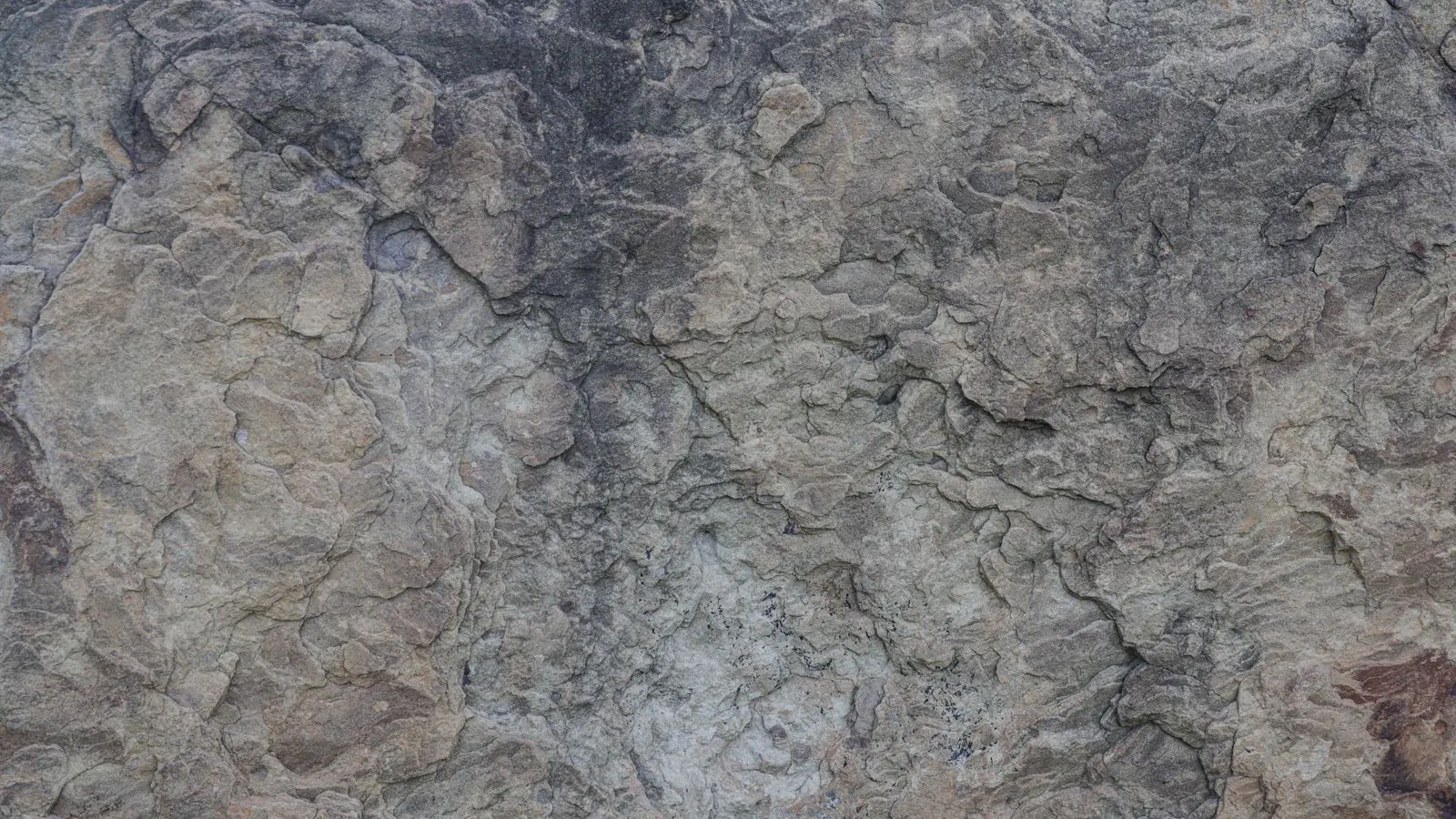
Not all stones behave the same under a finish. Harder stones, like granite, take a polish well and keep it. Softer stones, like limestone or certain marbles, can dull faster. They may require more frequent refinishing.
Consider the substrate. A dense, compact stone resists scratching. A porous, softer stone shows every scuff. If the stone is prone to etching from acidic cleaners, a polished surface will reveal the damage more sharply than a honed one. The finish does not protect the stone. It only changes how the stone shows its condition.
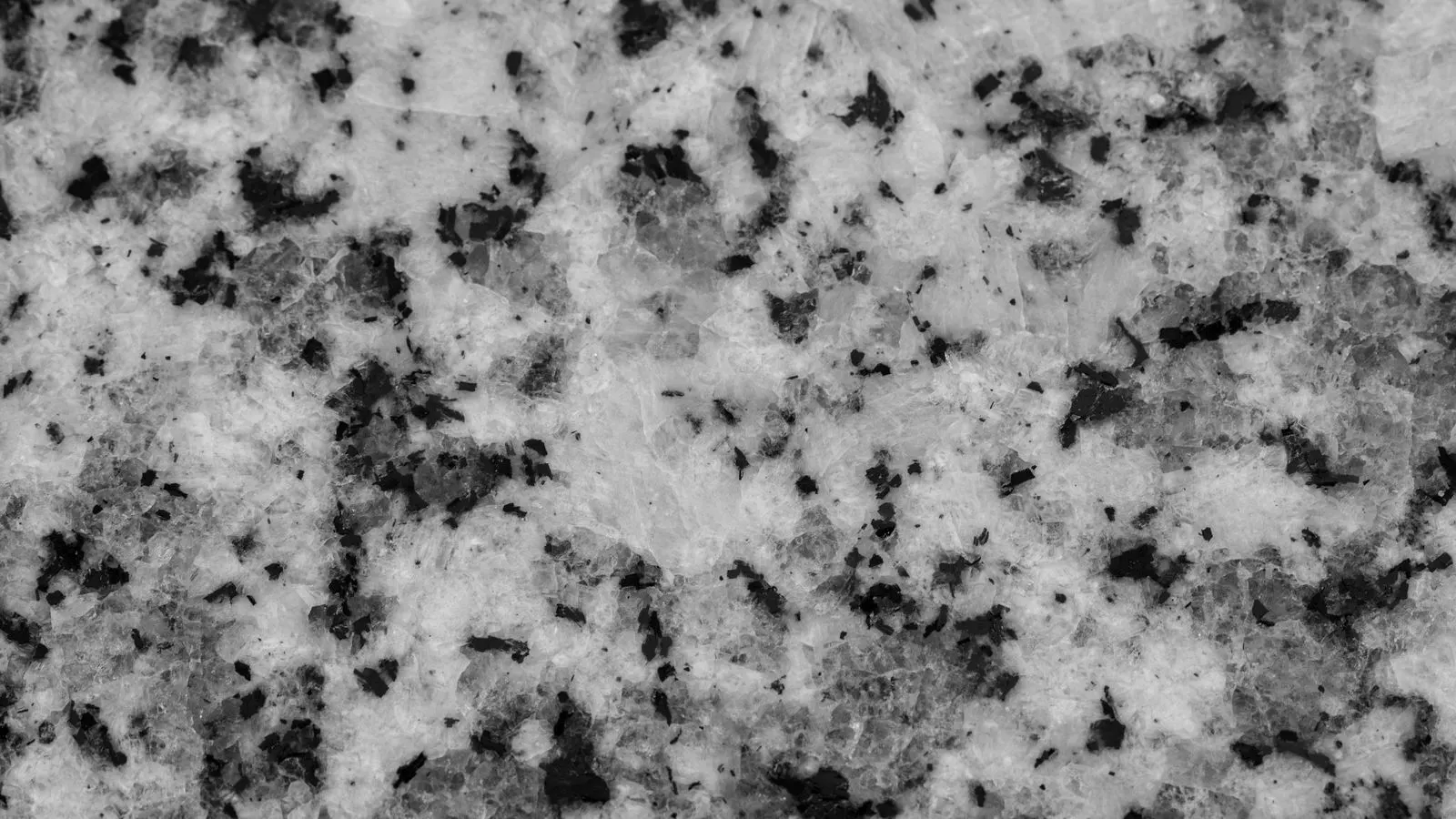
Granite is a silicate stone. It is very hard and resistant to acid. It polishes to a high gloss and maintains that gloss well even in high-traffic areas. Limestone is a carbonate stone. It is softer and more susceptible to acid etching. When limestone is polished, the high-gloss surface makes any etching or scratching highly visible. A honed limestone floor is more forgiving because the matte finish masks minor wear and tear.
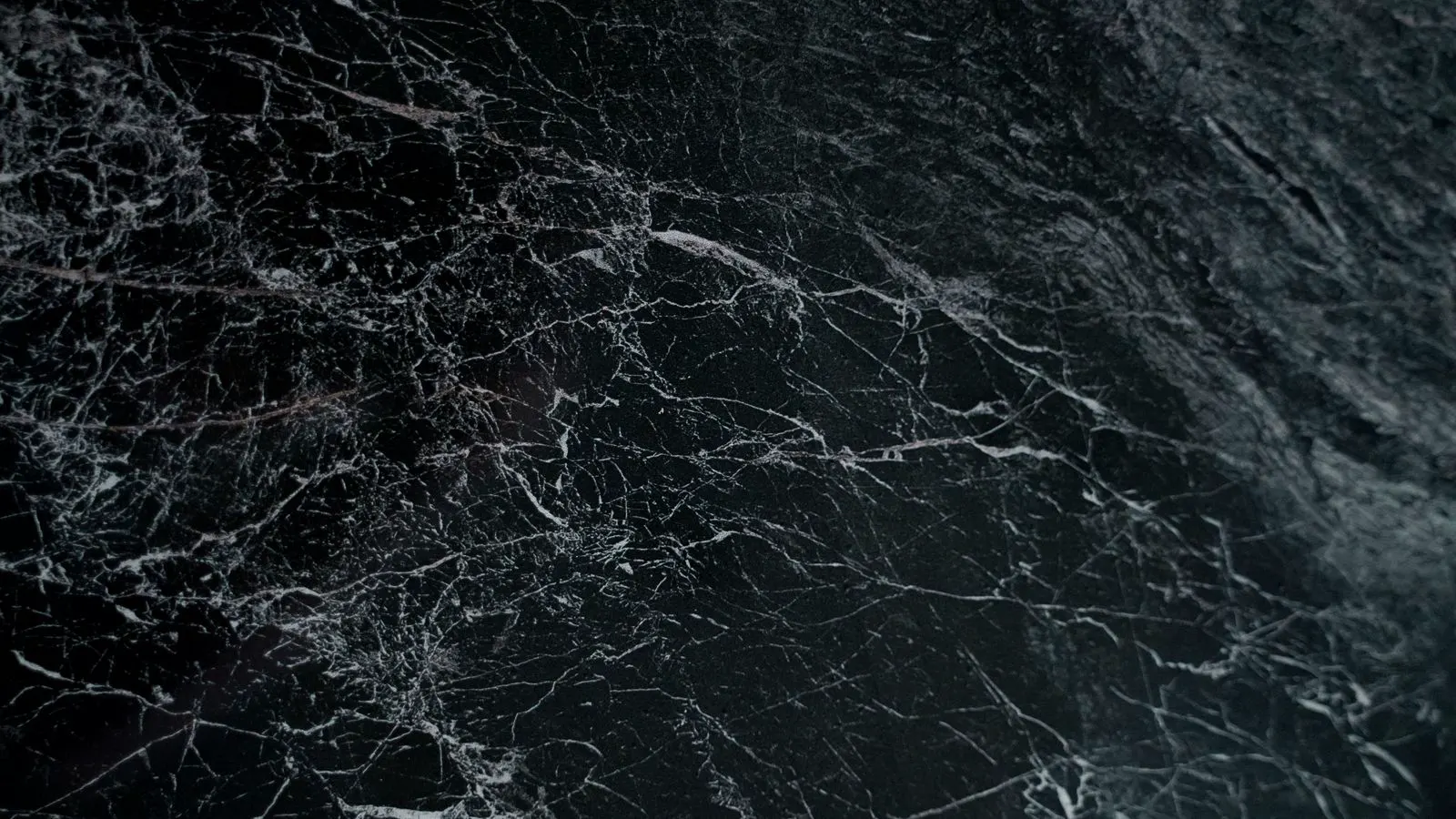
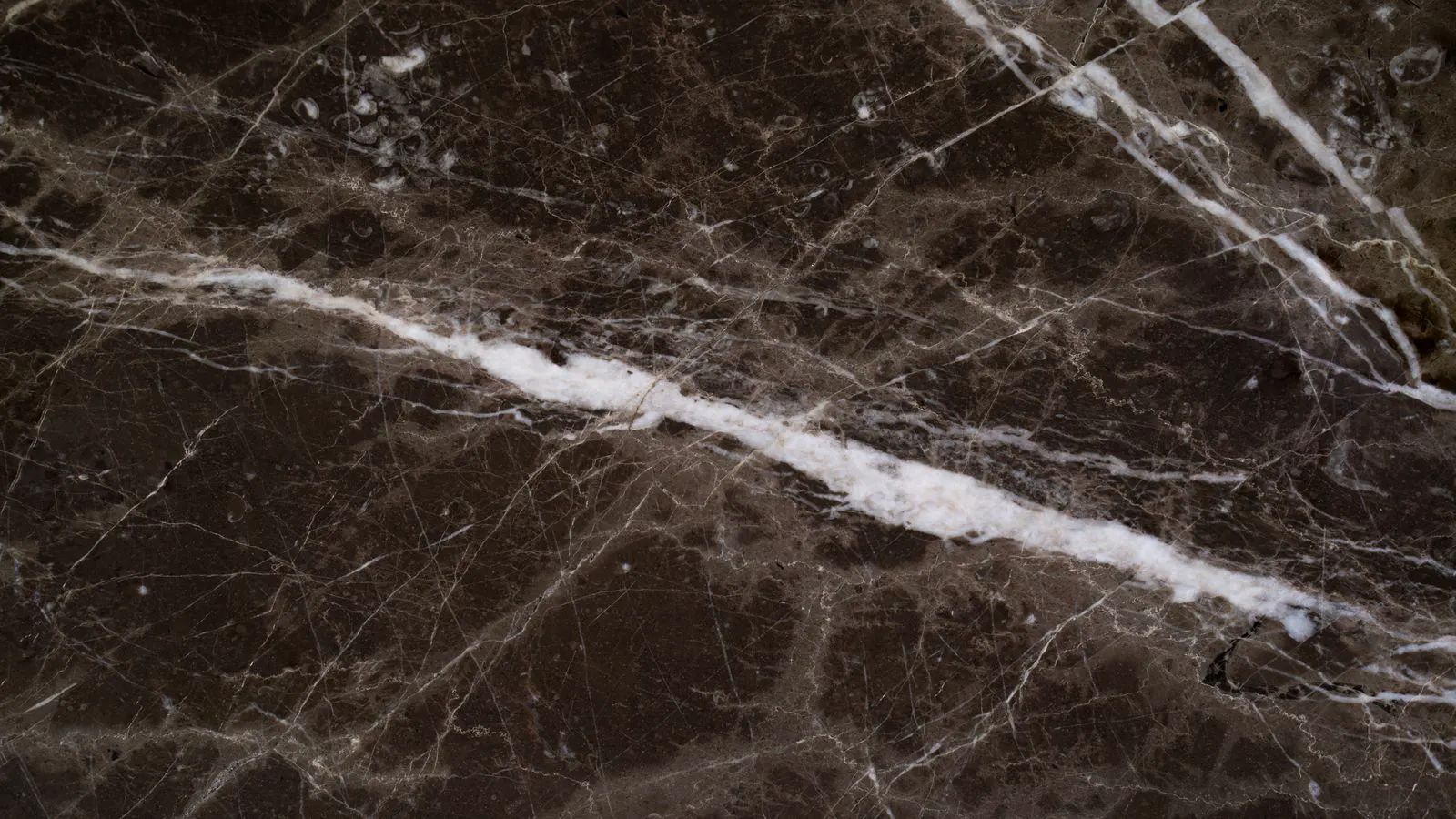
Marble presents a middle ground. It is a carbonate stone like limestone but is often denser and less porous. It can be polished to a high gloss, but it requires more care than granite. The finish on marble depends heavily on the quality of the stone. A high-quality, dense marble can hold a polish for years. A lower-quality, more porous marble may dull quickly and show wear patterns.
Review Maintenance Access and Owner Commitment
Talk to the people who will clean the space. Polished stone needs regular polishing to recover gloss. That involves either a professional buffing service or a well-trained housekeeping team with the right equipment.
Honed stone is more forgiving. A damp mop is usually sufficient. If the building’s maintenance staff lacks access to heavy polishers, or if the owner is not willing to schedule periodic refinishing, honed is the safer default. Do not specify polished stone for a space where nobody will maintain it.
A professional buffing service uses large machines with abrasive pads. The process is slow and requires the area to be clear of furniture and obstacles. It is expensive and disruptive. A housekeeping team with hand burnishing tools can maintain a polished finish between professional buffings, but it requires training and the correct chemicals. Without this, the polish will degrade into a dull, hazy surface.
For a honed finish, maintenance is simpler. Regular sweeping and mopping are usually enough to keep the surface looking clean. If the stone becomes too dull, it can be re-honed. This is a less intensive process than re-polishing and can be done more easily by maintenance staff with smaller equipment.
Compare Slip Resistance and Safety
Walk the sample. This is non-negotiable. Place the sample on the floor type you intend to use and walk across it in the shoes people will actually wear. Do this when the stone is dry and when it is damp.
Honed stone generally offers more grip. Polished stone can be safe in dry conditions but becomes treacherous when wet. In public buildings, schools, hospitals, and pools, slip resistance is a hard requirement. If the local building code or liability framework demands a certain level of friction, honed often meets it more easily.
Slip resistance is not just about the finish. It is also about the stone’s texture and the amount of water on the surface. A polished stone with a smooth, glassy surface will have a low coefficient of friction when wet. A honed stone has a micro-texture that provides more grip. However, a honed stone with a very soft, porous finish can become slippery if it absorbs water and becomes slick. The best approach is to test the sample under the specific conditions of the space.
Evaluate the Design Intent and Lighting
The finish changes how the room feels. Polished stone mirrors. It makes small spaces feel larger and brightens dark rooms. Honed stone absorbs. It feels warmer, calmer, and more grounded.
Look at the lighting. If the space has strong overhead spotlights, a polished surface will create hot spots and glare. A honed surface diffuses that light and reduces visual fatigue. If the design goal is a sleek, reflective, high-gloss aesthetic, polished is the choice. If the goal is a tactile, earthy, or understated look, honed fits better.
Lighting is a critical factor. A polished stone floor under direct sunlight can create intense reflections. This can be a feature in some spaces, but it can be a nuisance in others. In a reading room or a library, glare can be distracting. A honed finish reduces glare and provides a more uniform light distribution.
Consider the color of the stone as well. A polished white marble can look stark and clinical. A honed white marble can look soft and warm. A polished dark granite can look dramatic and deep. A honed dark granite can look flat and heavy. The finish changes the perception of the stone’s color and pattern. Always view the sample in the actual lighting conditions of the space.
Test a Real Sample in the Room
Do not decide from a catalog. Request a physical sample. Set it on the floor in the actual lighting. View it from different angles over several hours. Check how it looks in morning light, afternoon shadow, and at night.
This step catches problems that photos hide. A polished travertine may look uniform in the shop but show uneven veining in the room. A honed basalt may look too dark in daylight but rich in evening light. The sample is the only truth you can walk on.
Bring the sample to the site. Place it on the floor next to the existing materials. Check how it looks with the furniture, the walls, and the ceiling. The context matters. A stone that looks good in the showroom may not fit the space. The sample test is the most important step in the selection process.
Plan for Long-Term Repair
Ask how the finish will be restored if it gets damaged. Polished stone can be re-polished. Honed stone can be re-honed. Both require access to the right equipment and a trained technician.
If the stone is a rare or difficult-to-source material, a damaged finish may mean a long wait for matching stone. Specify the finish in the procurement document. State whether the supplier will deliver a test batch for approval. State whether the finish must be verified on site before installation.
Repair is not just about the finish. It is also about the stone itself. If a piece of stone is chipped or cracked, it may need to be replaced. If the replacement piece has a different color or pattern, the repair will be visible. The finish can be matched, but the stone cannot always be. This is why it is important to buy extra material. A good rule of thumb is to buy ten to fifteen percent more than you need. This allows for breakage, cuts, and future repairs.
Common Mistakes to Avoid
- Choosing polished stone for a wet entry because it looks good in photos.
- Ignoring maintenance capacity. A beautiful finish that nobody maintains becomes a liability.
- Specifying one finish for the whole project without zoning. A lobby, a corridor, and a restroom may need three different finishes.
- Forgetting about the grout line. A polished surface with dark grout can look harsh. A honed surface with light grout can feel soft.
- Not testing the sample on the actual floor material. Tile, concrete, and wood all change the perception of the stone.
Final Verification Checklist
Before you sign off, complete these checks:
- Confirm the traffic and moisture level for each zone.
- Confirm the stone type and its known abrasion behavior.
- Confirm the maintenance plan and access to equipment.
- Confirm the slip resistance by walking the sample wet and dry.
- Confirm the lighting and design intent in the actual room.
- Confirm the repair path and the supplier’s finish warranty.
If any of these are unresolved, hold the specification. A finish chosen without these checks often fails not because the stone is bad, but because the finish was the wrong tool for the job.
Honed vs Polished Stone: Quick Comparison
| Factor | Honed Finish | Polished Finish |
|---|---|---|
| Light Appearance | Matte, diffuses light | Glossy, reflects light |
| Slip Resistance | Higher, safer when wet | Lower, can be slippery |
| Maintenance | Easier, damp mop usually enough | Requires periodic re-polishing |
| Scratch Visibility | Less visible, more forgiving | More visible, shows wear |
| Best For | High-traffic, wet, public areas | Low-traffic, dry, design-focused |
| Repair Path | Re-honing | Re-polishing |
The choice is not about which finish is better. It is about which finish is right for the specific place. A honed finish in a busy hotel lobby protects guests and simplifies cleaning. A polished finish in a private study creates depth and visual interest. Match the surface to the use. Then verify it on the floor where it will live.
Frequently asked questions
Can I switch from polished to honed after installation?
Yes, but it is a process, not a quick fix. The stone must be ground and re-finished. It will take time, may require the area to be closed, and will cost money. Plan for it in advance if you are unsure.
Does honed stone look dull or cheap?
No. Honed stone is a deliberate design choice. It can look sophisticated, warm, and high-end. The finish changes the character, not the quality, of the material.
Is polished marble safe for a kitchen floor?
It can be safe if the kitchen is dry and low-traffic. If you cook a lot, have a wet sink nearby, or expect frequent spills, honed is the safer bet.
How do I know if a stone will hold a polish?
Ask the supplier for the stone's density and porosity. Hard, dense stones usually hold a polish well. Soft, porous stones may dull faster and need more care.
Can I mix honed and polished in the same room?
Yes, many designers do. Use it to create zones, such as a polished entry that transitions to a honed living area. Just ensure the transition is intentional and comfortable to walk on.