Explainer: Quartzite Properties and Formation
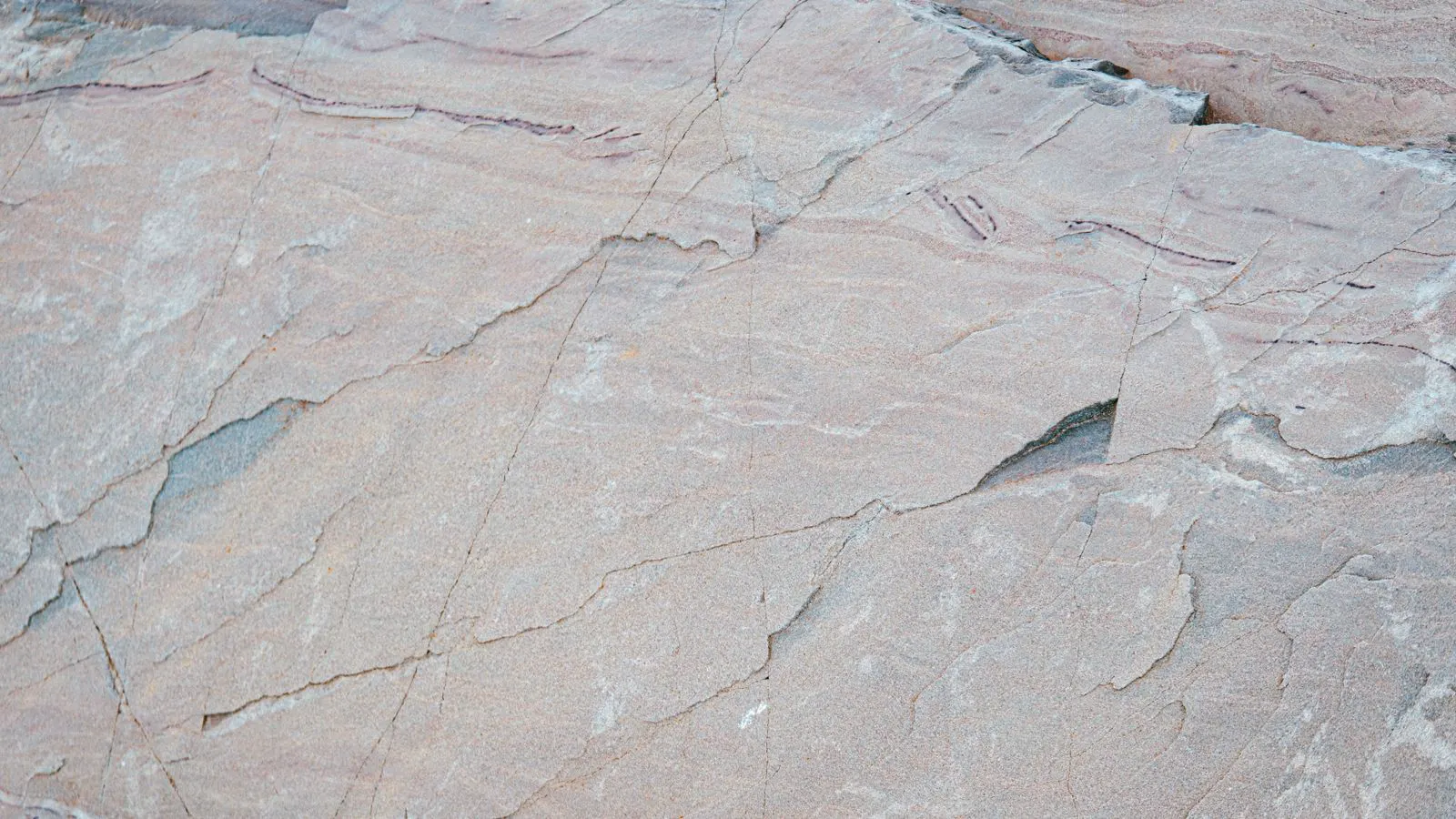
Quartzite is a metamorphic stone formed from sandstone under heat and pressure. Its interlocking quartz grains create high hardness and low porosity. These traits affect durability, maintenance, and sourcing choices for projects.
- Quartzite's interlocking quartz structure gives it high scratch resistance and low water absorption compared with marble and many granites.
- Formation temperature and pressure control grain size, which directly affects polish retention and edge durability.
- Sourcing decisions should account for porosity, veining, and color consistency, as these vary significantly between quarries.
- Maintenance requirements are generally lower than for marble due to reduced acid sensitivity and sealing needs.
- A worked example shows how a buyer can compare quartzite against granite for a high-traffic commercial kitchen floor.
Quartzite is a metamorphic rock that forms when sandstone is subjected to intense heat and pressure deep within the Earth. The result is a dense stone made up of interlocking quartz crystals. Unlike marble, which is calcite based, quartzite is composed mostly of silica. This difference drives most of its performance traits.
What defines quartzite properties in practice
The physical and chemical properties of quartzite are determined by three factors. Grain size, porosity, and mineral composition. Each of these shows up in real projects as durability, maintenance effort, and finish retention.
Quartzite typically ranks between 7 and 8 on the Mohs hardness scale. That puts it in the same general band as granite. Both resist scratches from everyday use, such as metal tools, coins, or abrasive cleaners. The difference between quartzite and granite often appears over time rather than in initial testing.
Porosity is the second defining property. Because the quartz grains lock tightly together, quartzite absorbs very little water. Sealing is still recommended, especially for exposed areas or wet locations. However, many installers apply sealant on a longer cycle than for marble or limestone. This reduces long-term maintenance cost and labor.
Chemical sensitivity is the third key factor. Quartz is highly resistant to acids. A common kitchen test involves placing a drop of vinegar on an unsealed surface. Marble etches quickly. Quartzite usually shows little to no reaction. This makes it a practical choice for countertops, splashbacks, and floors in environments where acidic spills are likely.
How quartzite formation shapes its performance
Quartzite formation starts with sedimentary sandstone. Over millions of years, burial depth increases temperature and pressure. The quartz grains in the sandstone begin to fuse and interlock. The higher the temperature and pressure, the finer and more uniform the grain.
This process is why quartzite varies so much from one quarry to the next. Some deposits form at lower temperatures, leaving larger, more visible crystals. Others form under higher pressure, producing a fine-grained, almost uniform surface. Grain size affects how the stone handles polishing and how it wears over time.
Fine-grained quartzite takes a high polish easily. The surface reflects light evenly. Coarser grain quartzite holds a honed or textured finish well, but may show more variation in luster. For commercial flooring, a slightly coarser grain can actually be preferable because it masks foot traffic marks and minor abrasion.
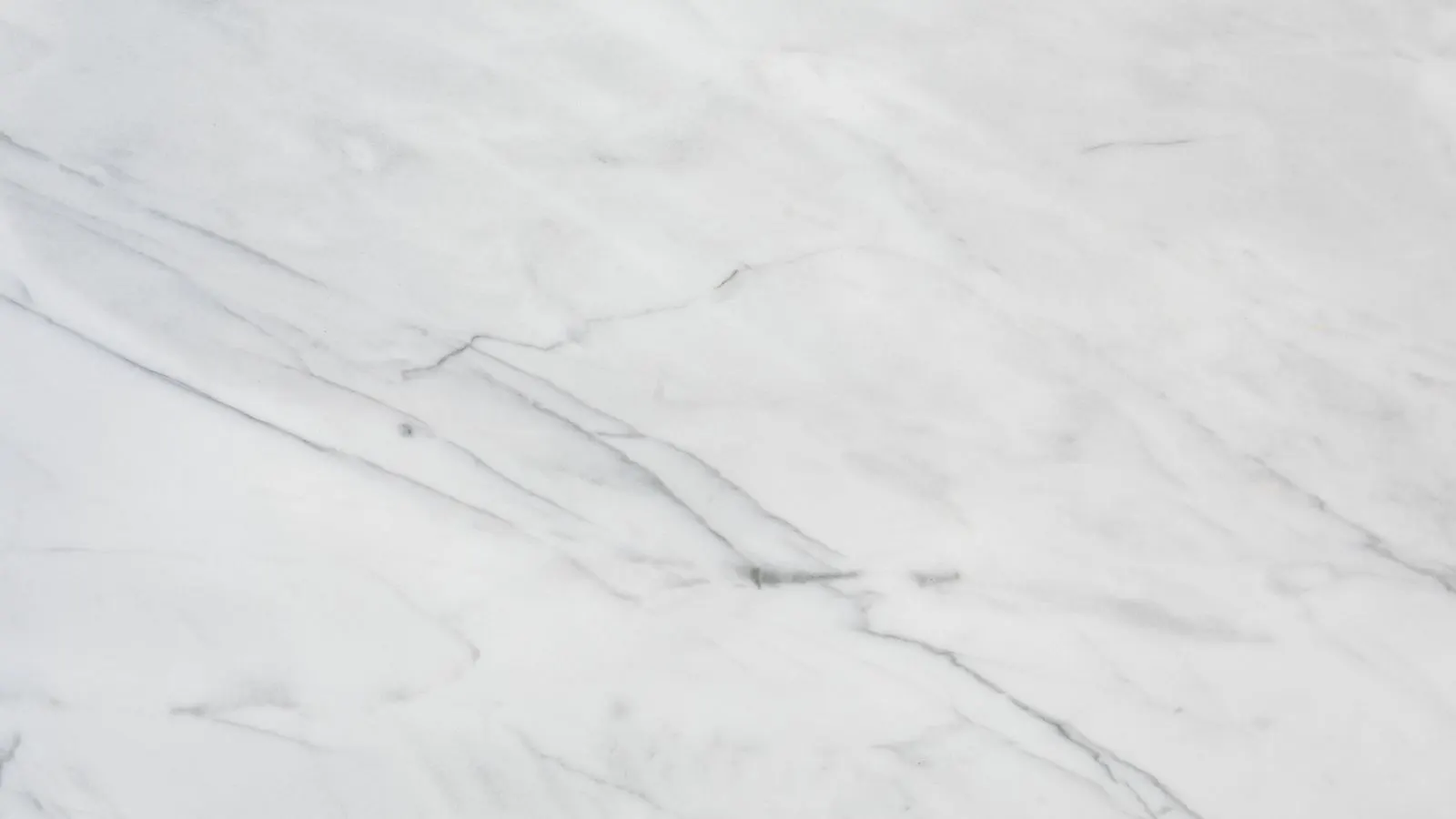
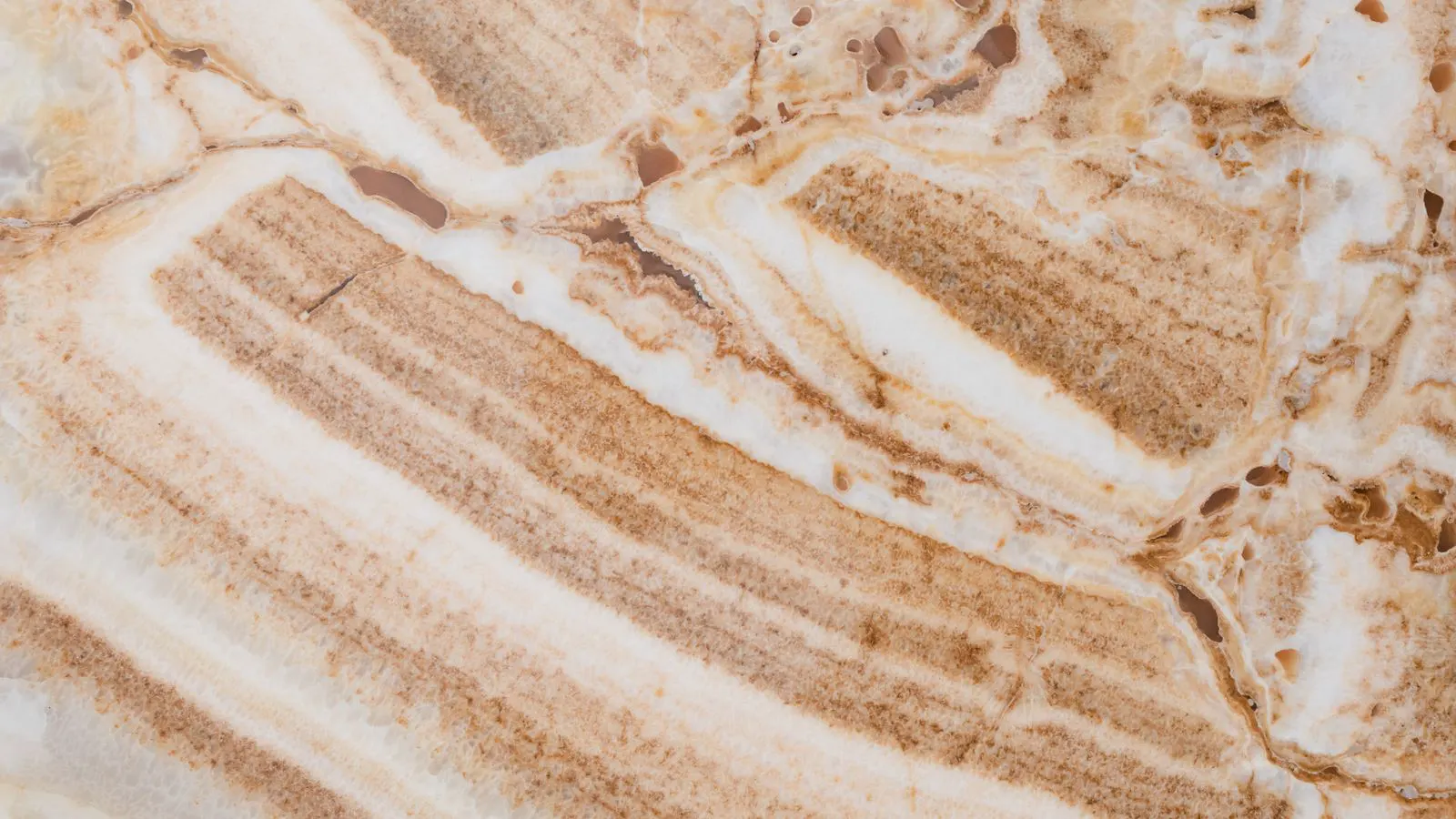
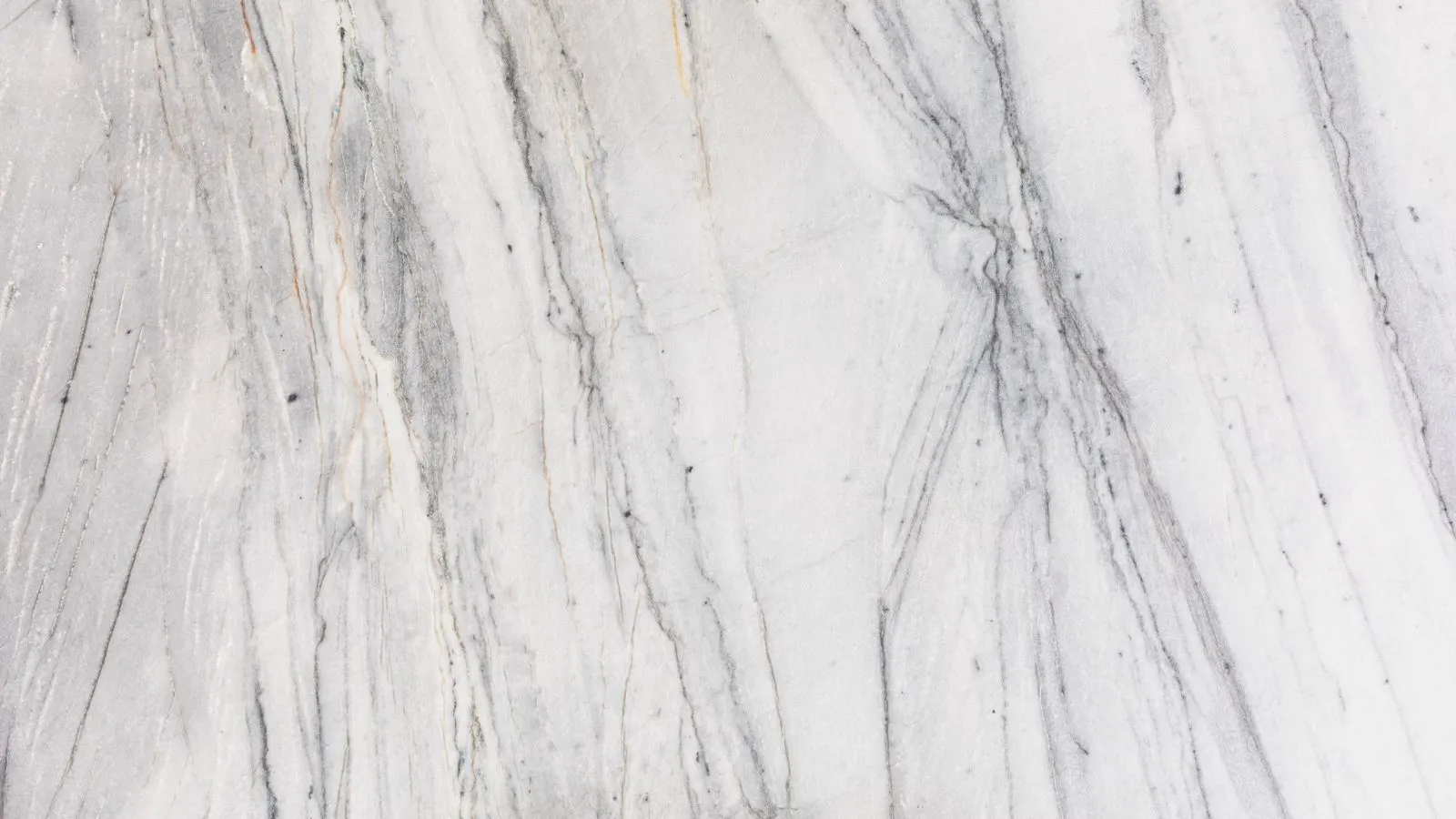
Formation also controls color and veining. The original sandstone may have contained iron oxide, mica, or other minerals. These impurities create the streaks, bands, and color shifts seen in finished slabs. Two blocks from the same quarry can look noticeably different if the impurities are unevenly distributed.
How quartzite compares to marble and granite
Buyers often group quartzite with marble and granite because all three are common natural stone types. The differences matter when specifying for a project.
| Property | Quartzite | Granite | Marble |
|---|---|---|---|
| Main mineral | Quartz | Feldspar and mica | Calcite |
| Typical hardness | High, often 7 to 8 | High, often 6 to 7 | Lower, often 3 to 4 |
| Water absorption | Low | Low to moderate | Moderate |
| Acid resistance | High | Moderate | Low |
| Typical finish | Polished or honed | Polished or honed | Polished or honed |
| Maintenance profile | Low to moderate | Low to moderate | Higher due to etching |
Marble etches with acids and stains with tannins. It needs regular sealing and careful cleaning. Granite is tougher but can still absorb liquids if the matrix is porous. Quartzite sits between the two in terms of maintenance. It is harder than marble and generally less prone to acid damage, but it can still show water marks if sealed poorly or left unsealed for long periods.
Sourcing considerations for professional buyers
When selecting quartzite, the buyer must look beyond color. The following factors affect performance and cost.
- Grain uniformity. A consistent grain size gives a more predictable finish. Large, uneven crystals can create low spots in polished areas.
- Veining pattern. Broad, irregular veins may require more careful layout planning to avoid mismatched patterns across large installations.
- Porosity variation. Even within a single block, porosity can vary. A slab that looks dense on the surface may have pockets of higher absorption.
- Color consistency. Quartzite is rarely uniform across a full lot. Buyers should request multiple slabs or accept a range of variation as part of the design.
- Quarry origin. Different regions produce quartzite with different grain sizes and impurities. A white quartzite from one source may feel harder than a similar-looking one from another.
These factors influence both the visual outcome and the long-term performance. A slab that looks ideal in the showroom may perform poorly if the grain is too coarse for the intended finish, or if the porosity is higher than expected.
A worked example: choosing quartzite for a commercial kitchen floor
Consider a buyer specifying floor stone for a high-traffic commercial kitchen. The floor will see carts, metal trays, and occasional acidic spills. The buyer needs a stone that resists abrasion, handles moisture, and remains serviceable over years of use.
The first option is a polished granite with a fine feldspar matrix. It is hard and resists acids reasonably well. However, the feldspar is softer than quartz. Over time, the surface can show minor pitting where metal carts scrape. Sealing is needed regularly to control liquid absorption.
The second option is a white marble. It is attractive and takes a high polish. But marble etches with acidic liquids. In a kitchen, even a quick spill of citrus juice or acidic cleaner can leave a dull spot. The maintenance cycle is frequent, and the floor may need periodic honing to restore gloss.
The third option is a fine-grained quartzite with a honed finish. The interlocking quartz structure resists abrasion from cart wheels and metal objects. The honed surface does not show scuff marks as clearly as a polished one. Acid spills may leave a temporary wet mark, but they do not etch the surface. Sealing is applied at installation and refreshed on a schedule set by the fabricator or installer.
The quartzite option requires fewer corrective interventions over the life of the project. The buyer should still confirm porosity by requesting a water absorption test on a sample slab. They should also check that the quarry can supply enough area for the full installation without color mismatch.
Common mistakes in specifying quartzite
Buyers sometimes treat quartzite as interchangeable with other hard stones. This leads to problems that appear after installation.
The first mistake is ignoring grain size. A slab that looks uniform in the showroom may have large crystals that create a slightly uneven surface once polished. This is more noticeable in large format slabs.
The second mistake is underestimating color variation. Quartzite often contains subtle color shifts. If the buyer orders one large slab and it does not match the sample, the result can look patchy. Requesting a full lot or at least several slabs from the same deposit reduces this risk.
The third mistake is skipping the sealing step. Even low-porosity quartzite benefits from sealing, especially in wet areas. Unsealed quartzite can develop water marks that are difficult to remove once they set.
The fourth mistake is using the wrong cleaner. Abrasive pads or acidic cleaners can damage the finish. A neutral pH cleaner is standard for quartzite maintenance.
How quartzite fits into a broader stone strategy
Quartzite is one of several natural stone types that serve different performance goals. For projects where acid resistance and scratch tolerance are the priority, quartzite is a strong candidate. For projects where softness and veining are desired, marble may be more appropriate. For projects where a speckled, hard-wearing surface is needed, granite remains a reliable choice.
The key to a successful specification is matching the stone properties to the use case. A countertop in a home kitchen has different demands than a floor in a hospital corridor. The buyer should define the expected loads, spills, cleaning chemicals, and maintenance budget before selecting a stone.
Quartzite properties are not static. They are expressed through the specific slab, the finish chosen, and the way the stone is maintained. A well-chosen quartzite slab, properly sealed and cleaned, can remain serviceable for decades with minimal intervention.
Frequently asked questions
Is quartzite harder than granite?
Quartzite and granite are both hard, with quartzite often scoring slightly higher on the Mohs scale due to its quartz composition. The difference is usually small in everyday use.
Does quartzite need sealing?
Yes, sealing is recommended for all natural stone, including quartzite. The interval depends on porosity and the location of the installation.
Can quartzite be etched by vinegar?
Generally no. Quartz is highly resistant to acids, so vinegar will not etch the surface the way it does marble.
How does quartzite formation affect color?
Impurities in the original sandstone, such as iron oxide or mica, create the veins and color bands in finished quartzite.
Is quartzite more durable than marble?
Yes, quartzite is significantly more resistant to acid etching and scratching than marble, making it more suitable for high-traffic or wet areas.