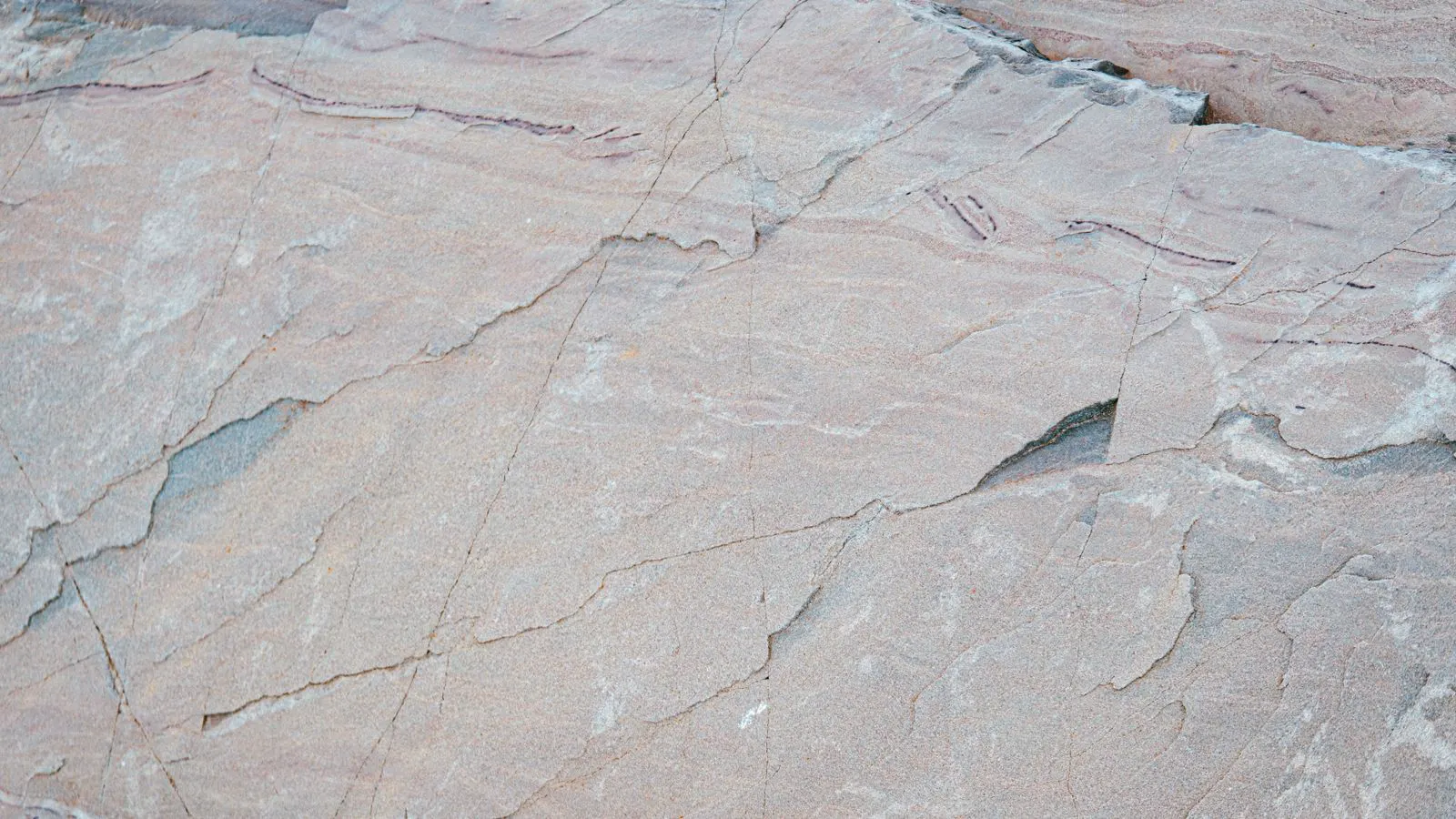
Quartzite Cost and Lead Time: Sourcing and Import Factors
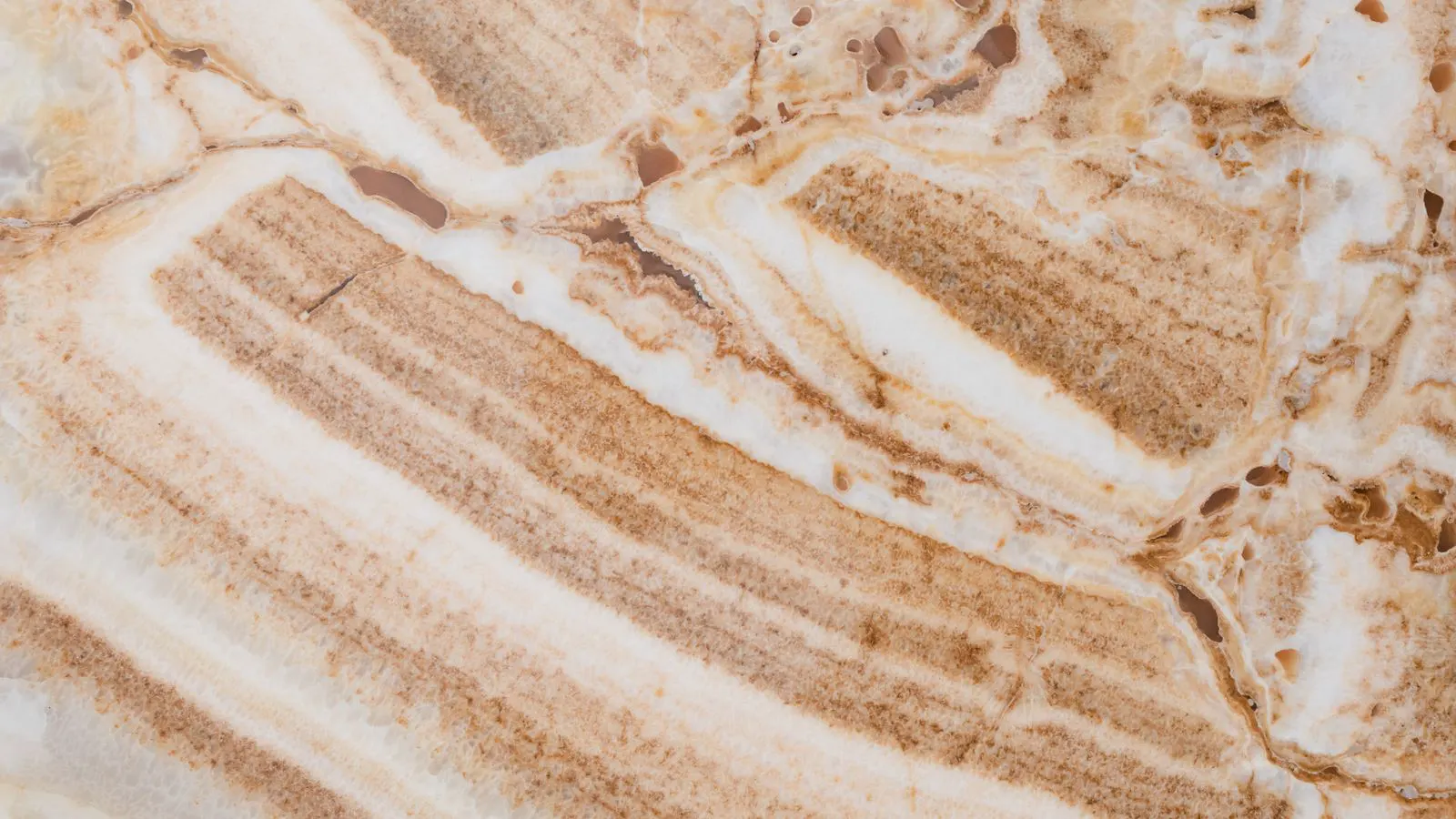
Quartzite cost depends on origin, grade, finish, and logistics. Commercial projects typically face import lead times of several months. A detailed RFQ and clear spec sheets help buyers compare quotes fairly and avoid hidden fees.
- Quartzite cost is driven by origin, grade, finish, and shipping distance.
- Import lead time depends on port access, container availability, and customs clearance.
- A detailed RFQ with clear specs prevents quote discrepancies.
- Comparing quotes requires checking thickness, waste allowance, and installation support.
- Origin selection affects both pricing and delivery risk.
What Drives the Final Cost of Quartzite
The price of a slab changes before it leaves the quarry. Origin, grade, finish, and thickness all move the number. A dense, low-impurity quartzite from a major export region may cost less than a heavily veined or highly polished slab from a smaller producer.
Buyers often focus on the per square meter rate. That number is useful, but it ignores the other costs that build the total. Shipping, customs, cutting, and installation support all add to the final project budget.
How Origin Shapes Pricing and Risk
Origin affects both the slab quality and the logistics chain. Some regions have large, established quarries with consistent output. Others have smaller operations with seasonal production.
The distance to the nearest port matters. A quarry near a major shipping lane reduces transit time and freight cost. A remote site may add inland transport, which increases both price and lead time.
What Typically Drives Import Lead Time
Import lead time is not just the time on the ship. It includes quarry processing, container booking, ocean transit, customs clearance, and local delivery.
A standard project often sees lead times measured in months. Delays happen when container space is tight, when paperwork is incomplete, or when the vessel schedule changes.
How to Write a Clear RFQ for Quartzite
A vague request leads to vague quotes. A strong RFQ lists the stone, the finish, the thickness, the quantity, and the destination.
Include the project type. Commercial and residential uses have different tolerances. Specify the edge profile. A straight edge and a beveled edge cost different amounts to cut.
State the delivery terms. Incoterms define who pays for freight, insurance, and clearance. Clear terms prevent disputes at the dock.
How to Compare Quotes Fairly
Two quotes can look different because they use different assumptions. Check the thickness. Some quotes assume 20 millimeters, while others assume 25 millimeters.
Check the waste allowance. Large projects with complex patterns need more material. A small allowance may lead to a shortage on site.
Check the finish. A polished face and a honed face require different processing. The price difference is not always obvious in the headline number.
Check the delivery terms. One quote may include freight to the port, while another stops at the factory gate.
Cost and Lead Time Drivers at a Glance
| Cost Driver | Effect on Price | Effect on Lead Time |
|---|---|---|
| Origin and quarry access | Higher or lower base cost | Shorter or longer inland transport |
| Grade and pattern consistency | Premium for low-impurity stone | May require sorting and extra time |
| Finish and edge profile | More processing, higher cost | Adds cutting and finishing days |
| Quantity and slab size | Bulk orders lower unit cost | Large slabs need special handling |
| Distance to port | Higher freight cost | Longer transit and more handling |
How to Reduce Risk in a Commercial Project
Start with a small test slab. This confirms color, pattern, and finish before the full order. It also helps the installer plan the layout.
Build a buffer into the schedule. Customs delays and weather events are common. A two-week buffer protects the installation timeline.
Use a reliable freight forwarder. A good forwarder handles the paperwork and gives clear updates. A poor one leaves the buyer dealing with port issues.
How to Keep the Budget on Track
Set a target price per square meter before sending the RFQ. This gives you a reference point. It also helps you spot quotes that are too low.
Ask for an itemized breakdown. A clear breakdown shows labor, material, freight, and margin. It makes it easier to compare options.
Review the contract terms. The contract should state the delivery date, the acceptance criteria, and the remedy for delays.
Common Mistakes in Sourcing Quartzite
Buyers often skip the finish specification. This leads to a slab that arrives with the wrong surface.
They forget to check the thickness. A thin slab may not suit the intended use, and replacing it costs time and money.
They underestimate the waste. A small allowance can cause a shortage on site, forcing a second shipment.
They ignore the delivery terms. A quote that stops at the factory gate can be much higher than expected once freight and clearance are added.
How to Choose the Right Source
A reputable supplier provides clear documentation. This includes the quarry name, the grade, the finish, and the shipping terms.
A reliable supplier answers questions quickly. They explain the process and give realistic timelines.
A good supplier offers a test slab. This reduces risk and builds confidence in the final order.
When to Use a Local Distributor
A local distributor can reduce risk. They handle customs and local delivery. They also understand the local building codes.
A distributor can provide technical support. They can help the installer with layout and cutting.
A distributor may charge a premium. The cost is lower than importing directly, but the service is often worth the difference.
How to Plan the Installation
The installer needs the right tools. Quartzite is hard, and cutting it generates dust. The shop must have the right equipment.
The installer needs the right adhesive. A strong, flexible adhesive is required for large slabs. The type depends on the substrate.
The installer needs a clear plan. The layout should be reviewed before the first slab is cut. This reduces waste and ensures a good pattern.
How to Verify the Stone on Arrival
Check the count. Count the slabs against the packing list. Report any shortfalls immediately.
Check the condition. Look for cracks, chips, or stains. Photograph any damage.
Check the finish. Compare the slab to the sample. The polish or honing should match the specification.
How to Handle Disputes
If there is a problem, document it. Photos, videos, and written reports are the best evidence.
Contact the supplier and the forwarder. Both parties need to be involved in the resolution.
Use the contract terms. The contract should state the process for claims and the timeline for response.
How to Improve Future Projects
Keep records of all quotes and contracts. This helps you build a database of reliable suppliers.
Review the project after installation. Note what worked and what did not. Use this to improve future RFQs.
Stay in touch with the supplier. A good relationship can lead to better pricing and faster service.
How to Stay Informed on Market Changes
Prices and lead times change. Monitor the market and adjust your plan.
Talk to other buyers. They may have insights on new suppliers or changes in freight rates.
Use a reliable source. A trusted supplier can give you early warning of changes.
How to Start the Process
Define the project. The use, the location, and the budget all shape the choice.
Choose the stone. Consider the color, the pattern, and the finish.
Send the RFQ. A clear request leads to a clear quote.
Select the supplier. Choose based on price, service, and reputation.
Plan the installation. Work with the installer to ensure the project runs on time.
How to Measure Success
The project is successful when the stone arrives on time and in good condition.
The project is successful when the installation meets the design.
The project is successful when the budget is respected.
The project is successful when the client is satisfied.
How to Use This Guide
Use this guide as a checklist. It covers the main points of sourcing and importing quartzite.
Use it to prepare your RFQ. It helps you ask the right questions.
Use it to compare quotes. It helps you see the real cost.
Use it to manage the project. It helps you avoid common mistakes.
How to Stay Ahead
Stay informed. The market changes.
Stay organized. Good documentation saves time.
Stay flexible. Adjust the plan when needed.
Stay in touch. A good relationship pays off.
How to End the Process
The project is complete when the stone is installed.
The project is complete when the client is satisfied.
The project is complete when the records are filed.
The project is complete when the lessons are learned.
How to Learn More
For more on the durability of stone, see Marble vs Granite: Durability and Maintenance Comparison.
For more on sourcing, see the cost and lead time guide.
For more on installation, see the installation guide.
For more on maintenance, see the maintenance guide.
For more on design, see the design guide.
For more on contracts, see the contract guide.
For more on disputes, see the dispute guide.
For more on suppliers, see the supplier guide.
For more on freight, see the freight guide.
For more on customs, see the customs guide.
For more on testing, see the testing guide.
For more on samples, see the sample guide.
For more on budgets, see the budget guide.
For more on timelines, see the timeline guide.
For more on quality, see the quality guide.
For more on color, see the color guide.
For more on pattern, see the pattern guide.
For more on finish, see the finish guide.
For more on thickness, see the thickness guide.
For more on edge, see the edge guide.
For more on quantity, see the quantity guide.
For more on origin, see the origin guide.
For more on logistics, see the logistics guide.
For more on documentation, see the documentation guide.
For more on contracts, see the contract guide.
For more on disputes, see the dispute guide.
For more on suppliers, see the supplier guide.
For more on freight, see the freight guide.
For more on customs, see the customs guide.
For more on testing, see the testing guide.
For more on samples, see the sample guide.
For more on budgets, see the budget guide.
For more on timelines, see the timeline guide.
For more on quality, see the quality guide.
Frequently asked questions
What is the typical cost range for quartzite?
The cost varies by origin, grade, finish, and thickness. Commercial projects often see a range that depends on the specific stone and the logistics.
How long does import lead time usually take?
Lead time depends on the origin, the port, and the shipping schedule. It can take several months from order to delivery.
What should I include in my RFQ?
Include the stone, the finish, the thickness, the quantity, and the destination. Also state the delivery terms and the project type.
How do I compare quotes fairly?
Check the thickness, the waste allowance, the finish, and the delivery terms. Ask for an itemized breakdown of the cost.
How can I reduce risk in a commercial project?
Start with a test slab. Build a buffer into the schedule. Use a reliable freight forwarder.
What are the common mistakes in sourcing quartzite?
Skipping the finish specification, forgetting the thickness, underestimating the waste, and ignoring the delivery terms.