Marble vs Granite: Durability and Maintenance Comparison
Granite generally wins for low maintenance and scratch resistance, while marble offers softer tones and a classic look but needs sealing and care. Your choice depends on traffic, budget, and the aesthetic you want.
- Granite is harder and more resistant to scratches, acid, and stains than most marbles.
- Marble requires regular sealing and prompt cleanup to protect its polished finish.
- Porosity, grain structure, and surface finish determine real-world performance.
- Match the material to the room's traffic, exposure to liquids, and desired visual warmth.
- Always inspect slabs in person to confirm color variation, veining, and surface quality.
Which stone holds up better to daily wear
Marble and granite behave differently under normal use. Granite is an igneous rock with a tight, interlocking crystal structure. It resists scratching, heat, and acid exposure well. Marble is a metamorphic rock with calcite, which reacts to acidic substances. The practical difference shows up in kitchens, bathrooms, and high-traffic entryways.
When a granite countertop gets a coffee ring or a wine spill, the stone usually shrugs it off if sealed. Marble may etch or stain if the liquid sits. This does not mean marble is fragile. It means the upkeep profile changes. A granite slab can take harder use with less attention. A marble slab rewards careful handling and regular sealing.
For buyers, the question is not which stone is stronger in a lab test. The question is which stone matches the way your space is used. A busy family kitchen favors granite. A quiet bathroom or a display counter can handle marble if the routine is in place.
How porosity and sealing affect long-term upkeep
Porosity is the most important factor in stone maintenance. Granite typically has low porosity. Water and oils do not penetrate easily. A quality penetrating sealer adds an extra barrier, but the stone itself already resists liquid absorption. Marble has higher porosity. Water, oils, and acids can move into the surface if not sealed.
Sealing is not a one-time fix. It is a maintenance schedule. Most natural stone installations get resealed on a regular cycle, often once or twice a year depending on use. The sealant’s job is to reduce absorption, not to block every spill forever. If a sealer wears out, the stone becomes more vulnerable.
A practical check is the water drop test. Place a drop of water on the sealed surface and wait. If it beads up, the seal is working. If it soaks in, it is time to reseal. This test takes seconds and tells you the condition of the finish without guessing.
Granite also has variations in porosity. Some grades are tighter than others. A dense, compact granite needs less frequent sealing than a more open-grained one. The same applies to marble. A fine-grained white marble may need more attention than a heavily veined, denser stone. Always ask the supplier about the porosity rating and the recommended sealer type for the specific slab.
Scratches, heat, and acid resistance in real rooms
Scratch resistance is where granite has a clear edge. The Mohs hardness of granite typically falls in the upper range, while marble sits lower. In practice, this means a knife drop, a metal pot, or a heavy pan can leave marks on marble. Granite may show a small mark, but it is less likely to show a deep scratch from everyday tools.
Heat resistance is another point in granite’s favor. Granite tolerates hot pans without cracking or scorching. Marble can crack under sudden thermal shock. A hot pot placed directly on an unsealed marble slab can cause stress. This is a real concern in commercial kitchens and busy homes.
Acid resistance separates the two materials most clearly. Citrus, vinegar, and wine can etch marble. The etch appears as a dull, matte spot on the polished surface. Granite does not etch from acids. It may stain if the sealer is old, but it does not develop that chalky mark. For anyone who cooks with acidic ingredients or serves wine on a counter, granite is the safer choice.
Color, veining, and how the stone ages
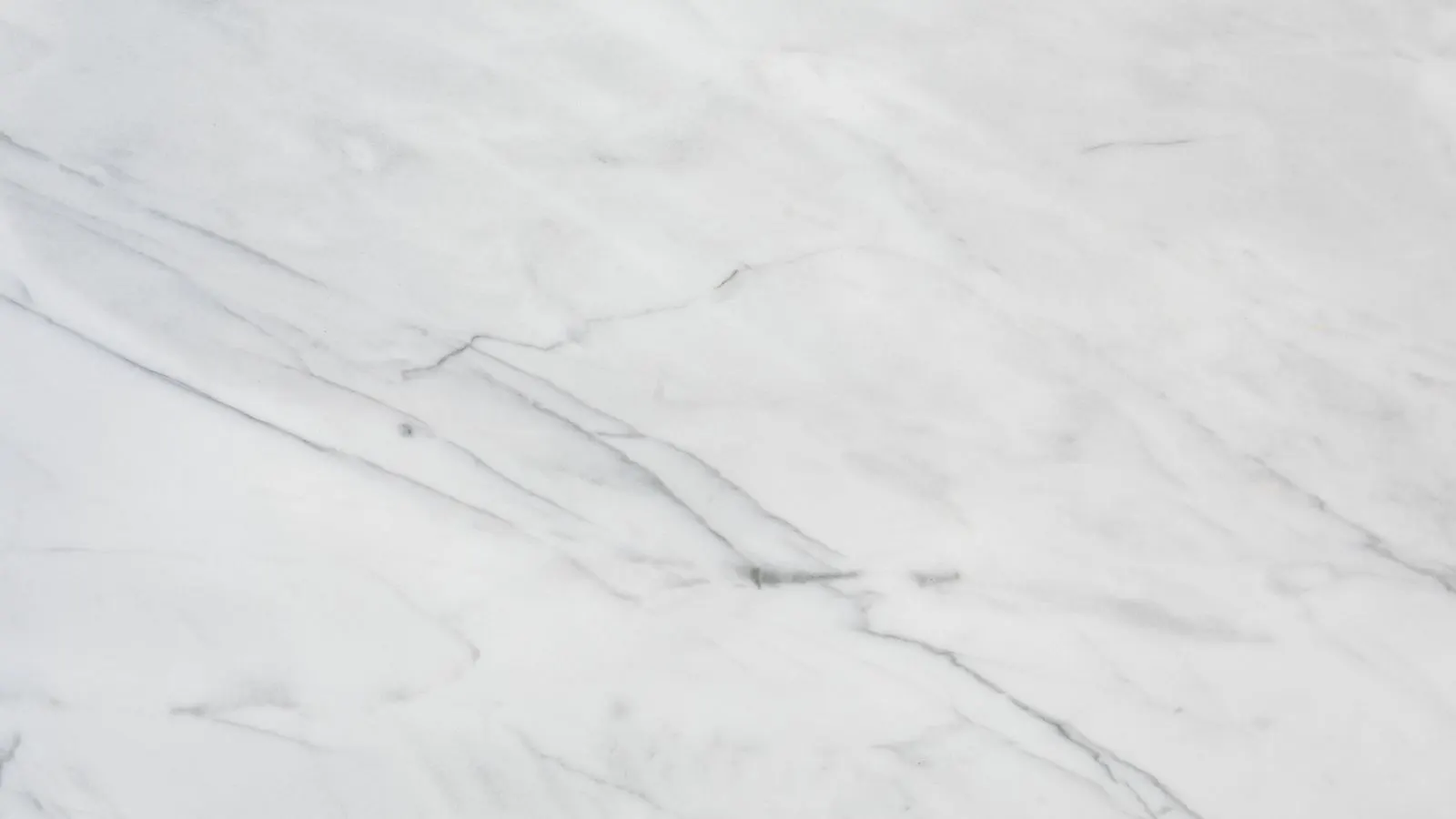
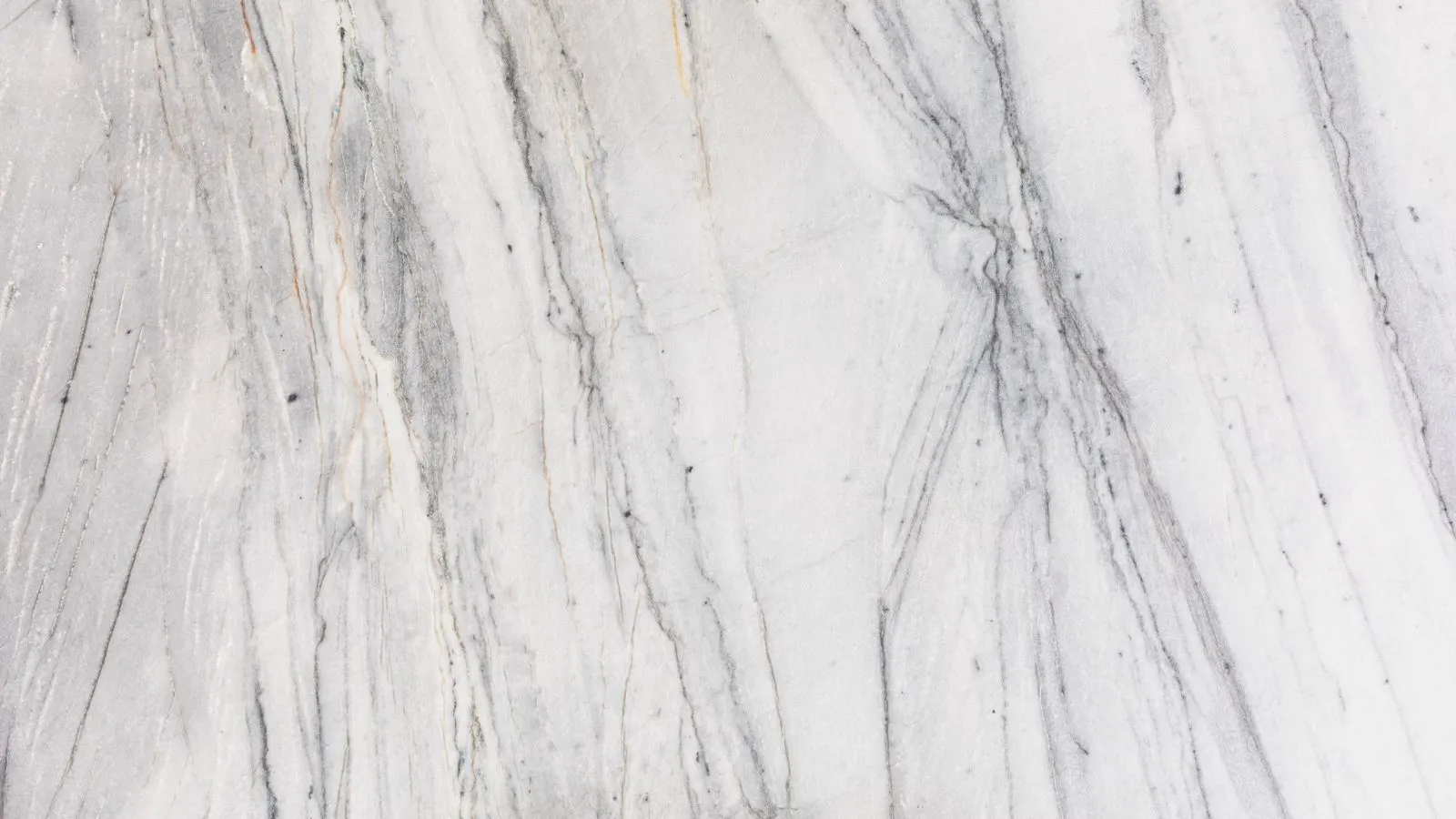
Marble is valued for its visual character. Veining, soft color shifts, and a warm, luminous finish make it a favorite for traditional and contemporary interiors. The catch is that marble can show its age. Etching, staining, and micro-scratches accumulate over years. A polished marble slab looks best when it is clean and well-sealed.
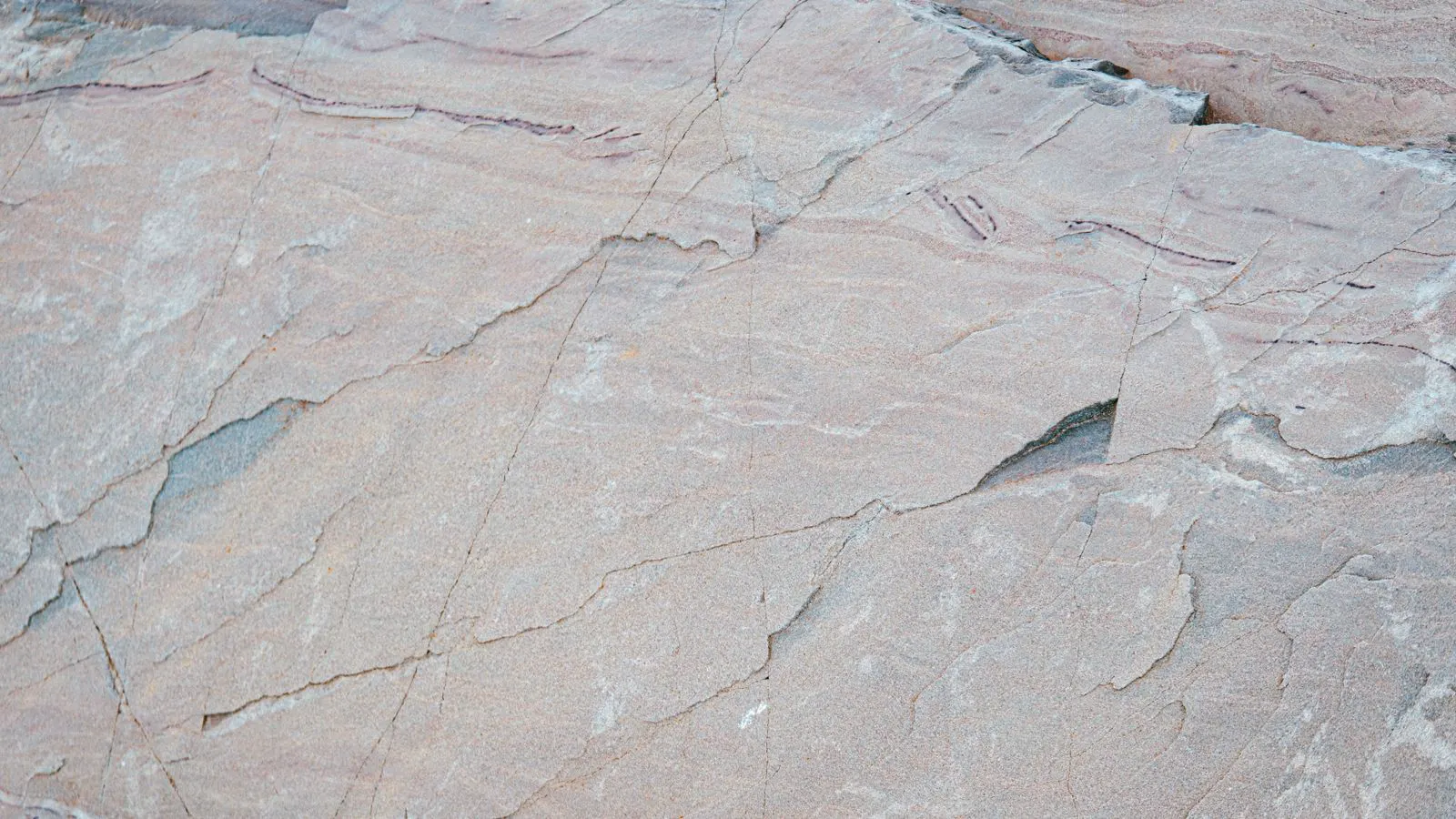
Granite is valued for its consistency and durability. The grain is usually more even, and the color is less likely to change dramatically with wear. A granite countertop can look good after decades of use. The stone may get a few small marks, but they are less noticeable than the etching on marble.
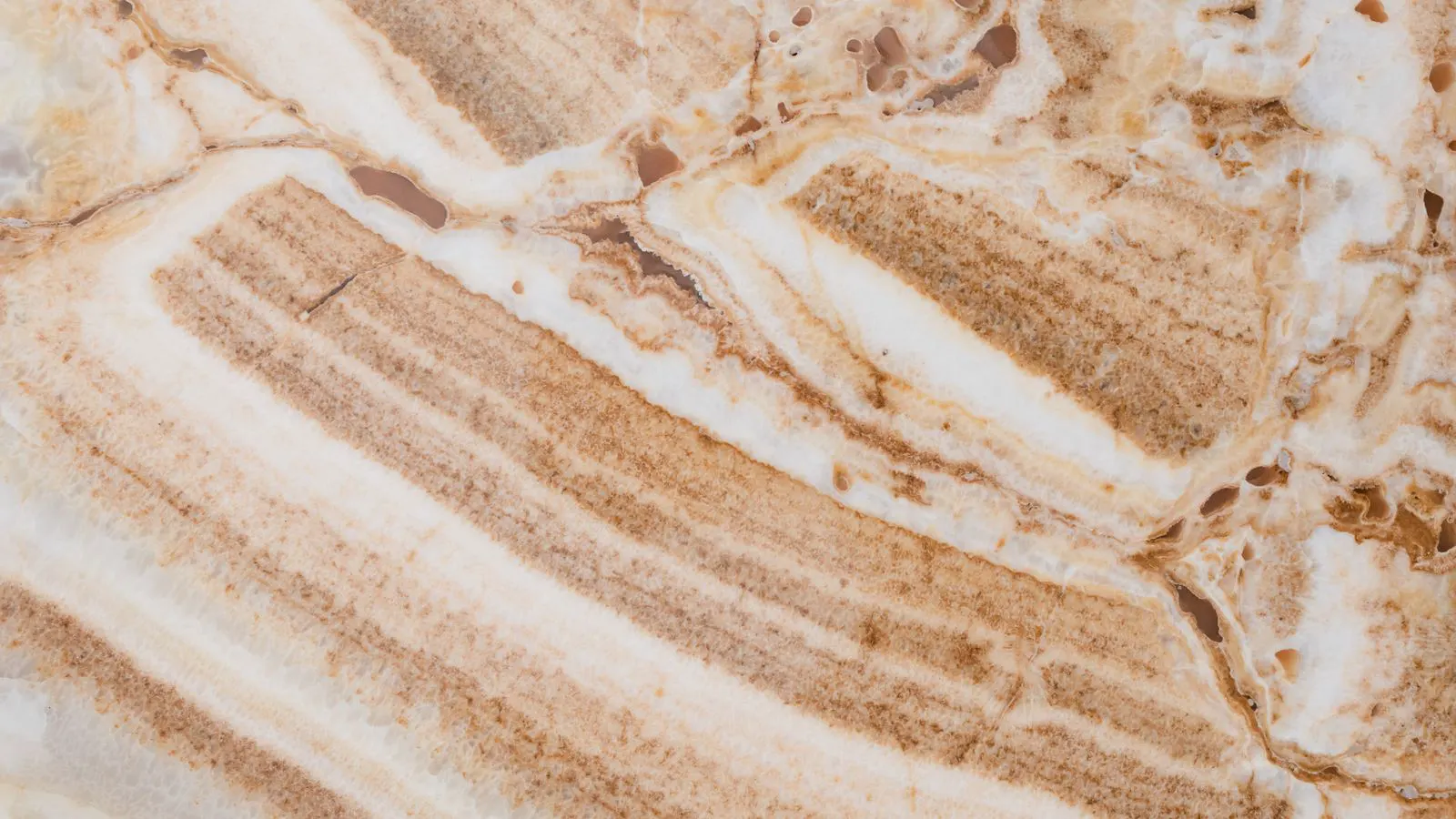
Color variation is a normal part of natural stone, not a defect. Each slab is unique. You will see differences in tone, veining, and pattern from one block to the next. This is why most buyers choose a full set of slabs from the same block, or at least from closely matched blocks. It prevents a mismatch between the main counter and a smaller piece.
Cost, availability, and the long-term value
Upfront cost varies by stone type, origin, finish, and thickness. Some marbles are more expensive than some granites. Rare patterns or unusual colors drive the price up. Common granites are widely available and often cost less than premium marbles.
The long-term value is not just the purchase price. It is the cost of maintenance over the life of the installation. Granite may cost slightly more upfront in some cases, but it often costs less to maintain. Marble requires more frequent sealing and careful cleaning. Over many years, that difference adds up.
Availability also matters. Local suppliers may stock certain granites more readily than marbles. If you want a specific pattern, you may need to import or wait. Check the lead time before you commit. A long wait can delay your project and increase costs.
How to inspect a slab before you buy
Do not rely on photos alone. Natural stone changes in color and pattern when you see it in person. Visit the supplier and look at the actual slab. Check the surface for pinholes, cracks, and weak spots. Run your hand over the finish. A good stone feels smooth and even.
Ask the supplier about the source, the finish, and the recommended sealer. A reputable supplier will have data sheets or general guidance. If they cannot answer basic questions about porosity or care, walk away. You want a partner, not a one-off seller.
Check the edge and the back. A well-finished slab has clean edges and a solid back. If the edge is rough or the back is cracked, the stone may not hold up in installation. Also ask about the warranty. Some suppliers offer a limited warranty on the stone itself, but not on installation or maintenance.
Choosing the right stone for your project
The decision comes down to three factors. Use, budget, and appearance. If the space is high-traffic or exposed to liquids, granite is the safer pick. If you want a softer, warmer look and are willing to maintain it, marble is the right choice. A hybrid approach works too. Use granite for the main counter and marble for a small accent piece.
Match the finish to the room. A honed finish hides scratches and shows less veining. A polished finish is more reflective and shows every mark. A leathered or brushed finish gives a matte, textured look that is easier to clean. Choose the finish based on how you want the stone to behave, not just how it looks in a showroom.
Finally, think about the long term. Will you use this stone for ten years or thirty? If it is a permanent fixture, invest in a slab that matches your routine. A well-maintained marble slab can be beautiful for decades. A well-chosen granite slab can handle heavy use with minimal care. The best choice is the one you will actually maintain.
Criteria table: marble vs granite for long-term use
| Criterion | What to look for | Why it matters |
|---|---|---|
| Hardness and scratch resistance | Dense, tightly grained stone with low porosity | Reduces daily wear from tools, pots, and heavy items |
| Acid resistance | Non-reactive to citrus, vinegar, and wine | Prevents etching and dull spots on polished surfaces |
| Porosity and sealing need | Low porosity for easy upkeep, regular sealing for marble | Controls absorption and keeps the surface looking clean |
| Color consistency | Even grain, minimal unexpected veins or spots | Maintains a uniform look over time and across rooms |
| Heat resistance | Stable under hot pans and thermal shock | Protects the stone from cracking in busy kitchens |
| Maintenance routine | Sealer type, cleaning products, reapplication cycle | Extends the life of the finish and prevents stains |
Decision checklist
- Identify the room’s main use. Kitchens and bathrooms need higher resistance. Living areas can tolerate softer stones.
- Check the slab in person. Look for cracks, pinholes, and uneven color.
- Ask about porosity and the recommended sealer. Get the information in writing.
- Match the finish to the room. Polished is dramatic. Honed is easier to maintain.
- Confirm the lead time and the warranty terms before you pay.
- Plan the maintenance schedule from day one. Know when to clean, when to reseal, and what products to use.
A note on maintenance
Maintenance is not a penalty. It is part of owning natural stone. A few minutes of regular care keeps the stone looking its best. For granite, this means wiping spills and resealing a few times a year. For marble, it means the same, plus faster cleanup and more attention to acids.
The right stone is not the hardest stone. It is the stone that fits your life. If you want low fuss, choose granite. If you want a classic, warm look and are willing to care for it, choose marble. Both are durable. Both last decades. The difference is in how they handle the small, daily moments.
Frequently asked questions
Is granite always stronger than marble?
In most common grades, yes. Granite has higher hardness and better acid resistance. Some dense marbles can be quite hard, but they still react to acid and show etching.
How often should I reseal marble?
Typically once or twice a year, depending on use. Do a water drop test to see if the seal is still working. If it soaks in, it is time to reseal.
Can granite stain?
Yes, if the sealer is old or the stone is very porous. Most granites resist stains well, but wine, coffee, and oils can leave marks if left for a long time.
Which stone is better for a bathroom?
Granite is easier to maintain because it resists moisture and acid. Marble can work in a bathroom if you are willing to seal it often and clean spills quickly.
Does the finish change how much maintenance I need?
Yes. A polished finish shows every mark. A honed or leathered finish hides scratches and is easier to clean. Choose the finish based on how much upkeep you want.