Checklist: Verifying Stone Packaging and Shipping Compliance

A professional stone shipping checklist verifies box integrity, crating, load securing, and documentation. It prevents damage, delays, and liability disputes at the receiving dock. Use it to audit every shipment against safety and handling standards.
- Inspect the outer packaging for crushed corners and broken strapping before unloading.
- Verify that the bill of lading matches the physical count and the packing list.
- Check that crates are labeled with "This Side Up" and fragile handling instructions.
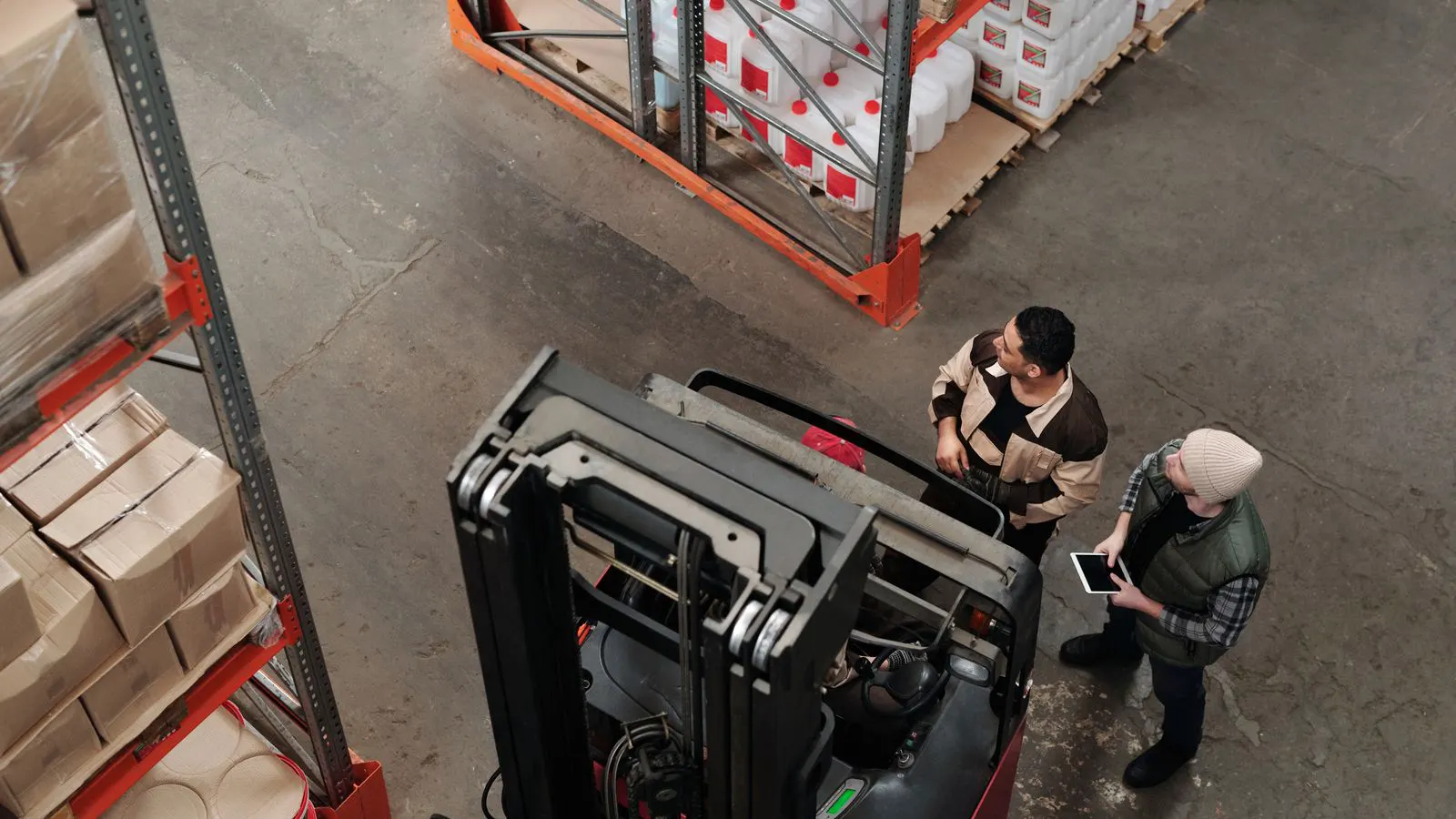
- Confirm that the carrier has proper equipment to handle heavy natural stone loads.
- Document all visible damage with photos and notes before the carrier departs.
Why Inspect Before You Sign
Signatures on a delivery receipt often waive the right to claim damage. The carrier’s driver is there to move goods, not to audit them. A two minute walk around the pallet before signing can save a project from a month of repairs.
This checklist covers the physical condition of the stone, the packaging materials, and the paper trail. It is designed for buyers, engineers, and site supervisors who accept shipments on behalf of a project.
Verify the Shipping Documents
Start with the paperwork. The bill of lading is the contract of carriage. The packing list is the inventory record. If the two do not match, the shipment is already in a compromised state.
- Confirm the carrier name and service level match the purchase order.
- Check the piece count against the packing list.
- Verify the origin and destination addresses on the bill of lading.
- Look for special handling notes such as temperature control or no stacking.
A missing packing list is a red flag. Without it, you cannot prove what was supposed to arrive. If the count is short, note the missing pieces on the bill of lading before signing. Do not wait until the unboxing to complain.
Inspect the Transport Packaging
The packaging protects the stone during transit. It also tells you how the carrier handled the load. Natural stone is heavy and brittle. A good package should distribute weight and prevent impact.
Look for the following items:
| Component | What to Check | Red Flag |
|---|---|---|
| Wooden Crates | Nails are flush, wood is dry, no splinters | Loose nails or wet wood |
| Strapping | Tight, no cuts, polypropylene or steel | Cut straps or sagging bands |
| Corner Blocks | Present on all eight corners | Missing or cracked blocks |
| Inner Lining | Foam or paper between slabs | Bare stone touching stone |
| Labels | “Fragile”, “This Side Up”, “Do Not Stack” | Missing or illegible labels |
The corner blocks are critical. They absorb shock if a forklift tip strikes the crate. If you see a dented corner block, the interior slabs may have shifted. Check the crate weight. If the weight feels light or lopsided, the stone may have broken inside.
Check the Pallet and Load Securement
The pallet is the base of the shipment. It must be rated for the weight of the stone. A broken pallet can collapse during unloading, causing the crates to slide off.
- Confirm the pallet is a standard size that fits the forklift pockets.
- Look for cracks in the deck boards.
- Check that the strapping goes around the pallet and the crates, not just the crates.
- Verify the load is square and not leaning.
A leaning load indicates a problem during transport. The driver may have shifted the weight, or a strap may have slipped. If the load leans more than two degrees, refuse it or note the condition on the delivery receipt.
Assess the Carrier and Equipment
The method of transport matters as much as the packaging. A stone shipment on a flatbed truck is different from one on a liftgate van.
- Flatbed: Requires a forklift or crane. Check that the truck has a secure deck.
- Liftgate Van: Limited by weight and height. Suitable for smaller batches.
- Container: For long distance or international moves. Check the door seals.
The driver should have a license that covers heavy freight. In many jurisdictions, a standard commercial license does not cover loads over a certain weight. Ask for a copy of the carrier’s insurance certificate if the shipment is high value. If the carrier cannot provide it, the risk is on you.
Inspect the Stone After Unboxing
Once the pallet is off the truck, open the crates. Do this in a controlled area. Have a forklift or pallet jack ready. Do not lift crates by hand.
- Cut the strapping slowly to avoid swinging the crate.
- Remove the top slab first.
- Check the corners of the top slab for chips.
- Look inside the crate for dust or broken pieces.
A fine dust inside the crate is a warning sign. It usually means a slab cracked during transit. The dust may be hidden under the top slab. If you find dust, do not assume it is from the quarry. It is likely from the shipment.
Check the edges of the slabs. Natural stone is soft enough to chip on sharp edges. A small chip on the edge is common. A large chip on the face is a defect. Mark the affected slab. Do not stack the damaged slab on top of others.
Document and Report
Documentation is the legal record. Without it, a claim is just a story.
- Take photos of the entire pallet before unloading.
- Take photos of each crate before opening.
- Take photos of each slab after unboxing.
- Note the time and date of the inspection.
- Write a description of the damage on the delivery receipt.
Do not use the word “damage” in the notes. Use “defect” or “discrepancy.” These terms are more neutral. If the damage is significant, do not sign the receipt without a note. If the driver refuses to make a note, take the photos and call your broker or the supplier immediately.
Red Flags That Should Stop the Shipment
Some issues are too serious to accept. Stop the delivery and call the supplier if you see any of these:
- Broken Pallet: The base is compromised. The stone will slide.
- Open Crates: The packaging was breached. The stone is exposed.
- Water Damage: Wet wood or stone. Fungal growth may start within days.
- Missing Pieces: The count is short. The shipment is incomplete.
- Wrong Stone: The color or pattern does not match the sample.
If you accept a shipment with these issues, you lose the use to claim compensation. The carrier will argue that the stone was fine when it left the warehouse. The supplier will argue that the carrier delivered the goods. You will be left with the cost of replacement stone.
Final Checks
Before you sign the bill of lading, walk the perimeter of the pallet. Check the corners. Check the straps. Check the labels. If anything looks wrong, stop.
The goal is not to be difficult. The goal is to be accurate. A clear inspection protects the project and protects your budget. Keep the checklist on your clipboard. Use it for every shipment.
Frequently asked questions
Can I refuse a shipment if the packaging is damaged but the stone is fine?
Yes. Damaged packaging indicates a risk of further damage. Refuse the shipment and contact the supplier for a replacement or re-inspection.
How much time do I have to file a shipping claim?
The time limit depends on the carrier and the terms of the bill of lading. Check the contract immediately after the delivery. Many carriers require claims within a few days.
Do I need to check the stone inside the crate if the outside looks fine?
Yes. Internal damage is common. A small crack can spread during handling. Inspect the slabs before placing them in storage.
What if the carrier refuses to note damage on the bill of lading?
Take detailed photos and videos. Note the time and date. Call your broker and the supplier immediately. Keep a copy of the bill of lading with the photos.
Is it normal for stone to have small chips on the edges?
Yes. Natural stone is brittle. Small chips on the edges are common. Large chips on the face or corners are defects. Report any significant damage.