Buying Travertine: How to Choose the Right Grade for Finishes
Choosing the right travertine grade depends on the finish and aesthetic you need. Lower grades may show more color variation and surface defects, while higher grades offer tighter consistency. Match the grade to the intended use to avoid costly rework.
- Match travertine grade to the required finish and aesthetic quality.
- Inspect slabs for surface defects, color variation, and veining patterns before purchase.
- Higher grades cost more but offer tighter consistency for visible areas.
- Document the agreed grade in the purchase contract to avoid disputes.
Travertine is a popular choice for flooring, wall cladding, and exterior applications due to its warm tones and natural texture. However, the stone varies significantly in appearance from slab to slab. The grade you select determines how much color variation, surface imperfection, and vein pattern you will accept in the final installation.
What does travertine grade actually mean?
Travertine is not a single uniform material. It is a limestone formed from calcium carbonate deposits. Over millions of years, the stone develops bands, pores, and color shifts. A grading system helps buyers sort slabs into categories based on how close they are to an ideal appearance.
There is no universal standard for travertine grading. Different suppliers, quarries, and regions use their own terminology. A slab marked “first grade” in one market may look different from a slab marked the same in another. Because of this, the grade label alone is not enough. You need to inspect the actual stone.
Grades generally fall into a hierarchy. Top grade slabs have tight color, minimal surface defects, and consistent veining. Lower grade slabs may show stronger color shifts, more visible pores, or irregular vein patterns. The gap between grades can be subtle or dramatic, depending on the quarry and the finish.
Quarries often sort stone by appearance before it leaves the cutting yard. A technician walks through the slabs and assigns a category based on visible flaws. In many operations, the highest tier goes to clients who want a uniform, low-contrast surface. These slabs are free of major cracks, have small pores, and show consistent color across the face. The next tier usually includes slabs with more character. They might have wider color bands or slightly larger voids. The lowest tier often includes stone that is still structurally sound but has a chaotic look. This material is frequently used for rustic interiors or exterior features where the natural irregularity is part of the design intent.
When you receive a quote, ask the supplier to define their grading criteria in writing. A vague label like “premium” can mean different things to different people. For example, one quarry might consider a slab premium if it has no visible cracks, while another might require a specific color match to a reference photo. Clarifying these terms prevents misunderstandings later in the project.
How to match grade to the required finish
The finish you apply to the stone changes how the grade appears. A polished travertine surface reflects light and magnifies every surface flaw. A honed or brushed finish softens the stone and can hide minor imperfections.
If you are using the stone in a high-traffic area or a highly visible feature wall, a higher grade is usually the safer choice. The tighter consistency reduces the risk of visible mismatching when the slabs are laid side by side.
For interior flooring, a mid-range grade can work well. The honed finish diffuses light, and the natural movement in the stone becomes part of the design rather than a defect. For exterior applications, such as a pool deck or a patio, the grade can be lower. The stone will weather over time, and minor surface variations will be less noticeable.
The key is to match the grade to the level of visual scrutiny. A slab that looks acceptable in a dimly lit showroom may look uneven in a brightly lit lobby.
Consider the angle of light in the room. Polished travertine in a north-facing room will look quite different from the same slab in a south-facing room. The angle of the sun changes how the pores and veins catch light. In a high-end retail space, the lighting is often designed to highlight texture. In that case, a slightly lower grade with more pronounced texture might be preferred. In a corporate office, the lighting is usually flat and even, which makes color shifts more obvious. A tighter grade is necessary to avoid a patchy appearance.
Also consider the grout line width. Wider grout lines can help blend small color differences between adjacent slabs. If you are using a 10mm grout line, a slight mismatch in tone is less noticeable than with a 3mm line. This is a practical way to manage grade requirements without spending extra on top-tier stone.
What to look for during stone inspection
Stone inspection is where the grade becomes real. You cannot judge a travertine slab from a photograph or a small sample. You need to see the full surface under good lighting.
Check the surface for pits, cracks, and flaking. Travertine is porous, so some pitting is natural. But deep cracks or large surface voids that cannot be filled are a problem. These defects may require repair during fabrication, which adds cost and time.
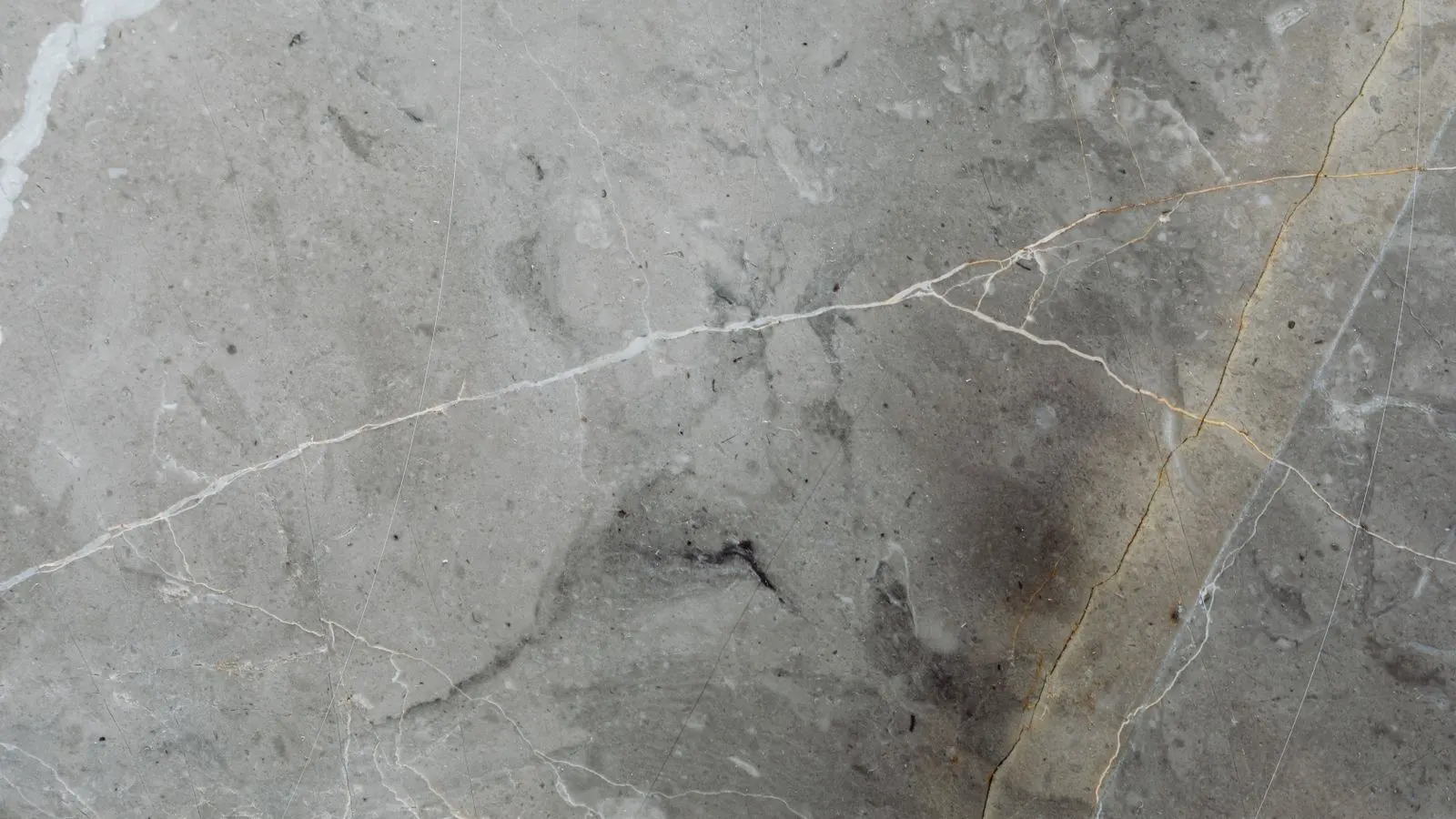
Look at the color variation from edge to edge. Some slabs have a uniform tone. Others have distinct bands or patches. If you are installing a large area, you need to know how much variation is acceptable. A mid-grade slab might have a broad color shift, while a top-grade slab stays within a narrow range.
Inspect the back of the slab as well. A clean back helps with fabrication and reduces the risk of breakage during cutting. A rough or uneven back can cause slabs to warp or crack during installation.
| Criterion | What to look for | Why it matters |
|---|---|---|
| Color uniformity | Tight bands, minimal patches | Reduces mismatching in visible installations |
| Surface defects | Pits, cracks, flaking | Affects durability and finishing quality |
| Vein pattern | Consistent, balanced, or intentionally dramatic | Determines the visual style of the final look |
| Slab thickness | Even thickness, no thin spots | Ensures safe cutting and stable installation |
| Back condition | Clean, flat, no major voids | Reduces fabrication cost and breakage risk |
When inspecting, bring a reference sample if possible. If you have a small piece of the stone you like, compare it to the full slabs. This helps you calibrate your eye to the specific variation you are comfortable with. Also, check the stone at different times of day if you are inspecting in a showroom. Lighting changes throughout the day, and the stone will look different in morning light compared to afternoon light.
Pay attention to the edges of the slabs. A slab with a clean, straight edge is easier to cut and less likely to break. A slab with a chipped or uneven edge might be difficult to use for large-format pieces. If the stone is intended for wall cladding, check the edges for any hidden cracks that could extend into the face of the slab.
How color variation affects the final look
Color variation is one of the most common complaints about natural stone. It is also one of the most misunderstood. Travertine is a natural material, and every slab is different. The question is not whether there will be variation, but how much you are willing to accept.
A high-grade slab may have a very tight color range. This is ideal for modern interiors where a uniform surface is desired. A lower-grade slab may show stronger contrast. This can be an asset if you want a dramatic, organic look.
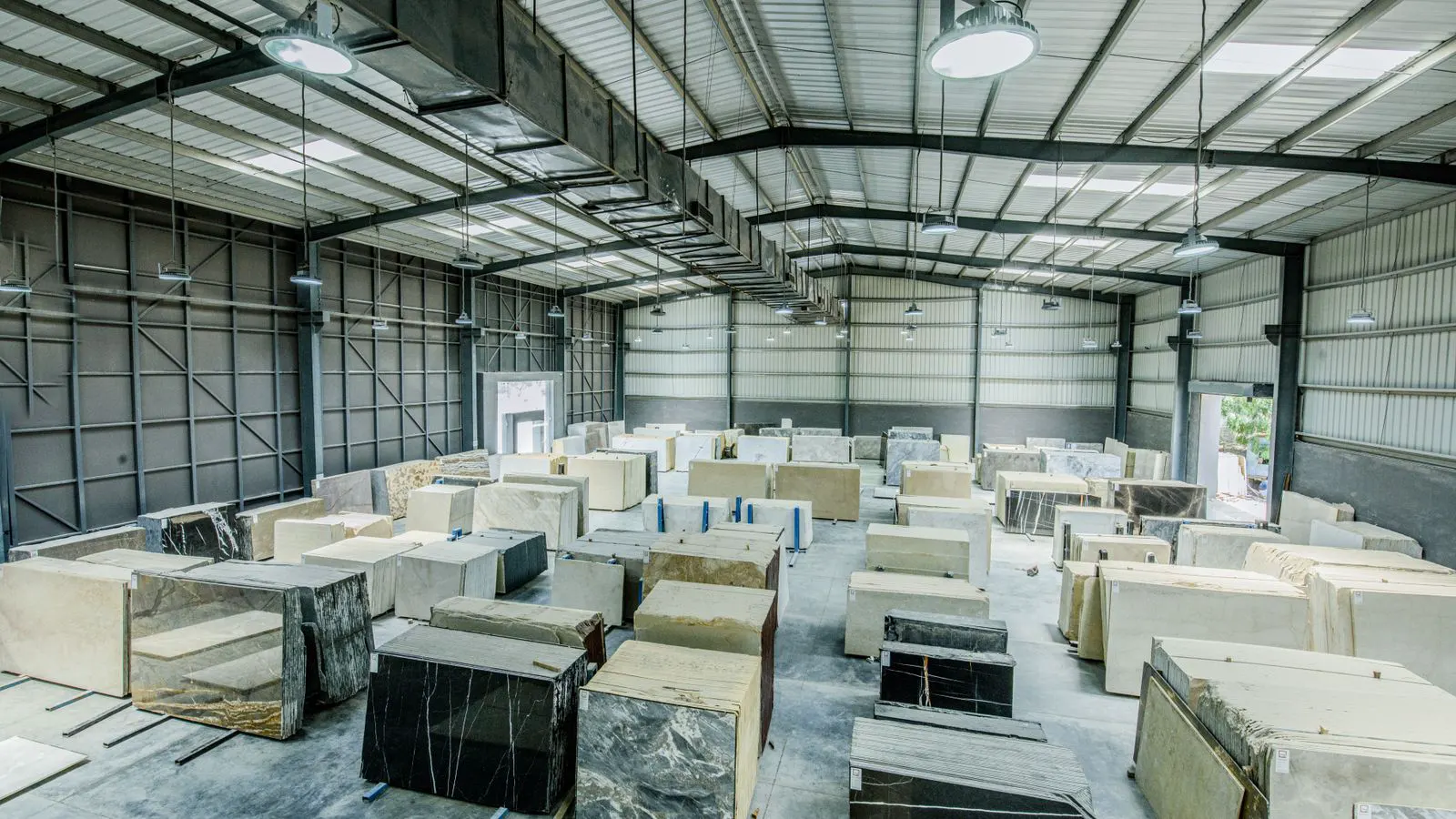
Before you finalize the order, ask to see the full set of slabs that will be used. Do not rely on a single slab or a small sample. The variation you see in one slab may not appear in the next. If you are ordering multiple slabs, review them together and agree on the acceptable range in writing.
Color variation can also affect how the stone ages. Some variations are due to mineral deposits that may shift or fade over time. For example, iron oxide in the stone can darken in certain areas. If you are choosing a lower grade with strong color bands, understand that these bands might become more pronounced as the stone weathers. This is not necessarily a negative, but it is a factor to consider if you want a stable appearance.
Also consider the pattern continuity. If you are using travertine for a feature wall, you may want the veins to flow across multiple slabs. This requires careful selection and placement. A high-grade slab with consistent veining makes this easier. A lower-grade slab with random patterns may require more planning to achieve a balanced look.
Practical steps to choose the right grade
- Define the installation area and the level of visibility. A lobby is different from a utility room.
- Choose the finish. Polished, honed, brushed, or textured. The finish changes how the stone appears.
- Request multiple slabs for review. Look at the full surface under the same lighting.
- Check for surface defects and structural issues. Note any cracks or deep pits.
- Agree on the color variation range. Document it in the purchase contract.
- Confirm the grade label with the supplier. Ask what the label means for that specific quarry.
- Inspect the slabs again before they leave the yard. Photograph the slabs for reference.
Each step in this process serves a specific purpose. Defining the installation area helps you understand the lighting conditions and the level of scrutiny the stone will receive. A corridor with indirect lighting is more forgiving than a lobby with direct spotlights. Choosing the finish is critical because it determines how the stone’s natural features will be presented. A polished finish highlights every pore and vein, while a textured finish softens them. Requesting multiple slabs ensures you are not making a decision based on a single sample. This is especially important for large projects where color consistency is a priority.
Checking for surface defects is a practical step that prevents costly repairs later. A small crack now can become a major issue after installation, especially in high-traffic areas. Agreeing on the color variation range in writing protects both parties. Without this agreement, disputes can arise over whether the stone meets the expected quality. Confirming the grade label with the supplier ensures that both sides are on the same page. Different suppliers may use different grading systems, and understanding the specific criteria is essential for a smooth process. Inspecting the slabs again before they leave the yard is a final check to ensure the stone has not been damaged during handling or storage. Photographing the slabs creates a record that can be used for reference during installation or for any future disputes.
Final decision checklist
Before you commit to a travertine order, run through this checklist.
- The grade matches the required finish and aesthetic quality.
- The slabs were inspected in person or via high-resolution video under good lighting.
- Surface defects were reviewed and accepted or rejected.
- The color variation range was agreed and documented.
- The finish (polished, honed, etc.) was confirmed with the fabricator.
- The purchase contract includes the grade and any agreed tolerances.
- The slabs were photographed before shipment for reference.
Choosing the right travertine grade is a practical decision. It depends on the finish, the installation area, and the level of visual consistency you need. Do not rely on the label alone. Inspect the slabs, agree on the tolerances, and put the terms in writing. The stone will look better, last longer, and save you from unnecessary rework.
Frequently asked questions
Can I use lower-grade travertine for a high-visibility feature wall?
It is possible, but you will need to accept a wider color range and more surface variation. For a feature wall, a higher grade is usually a safer choice to keep the visual impact clean.
How does the finish change the grade I should choose?
A polished finish highlights surface defects and color shifts, so you generally need a tighter grade. A honed or brushed finish softens the stone and can hide minor imperfections, allowing for a mid-range grade.
What if the slabs arrive with more variation than expected?
Review the slabs against the documented tolerances. If they fall outside the agreed range, contact the supplier immediately. Do not accept the slabs until the issue is resolved.
Is there a universal standard for travertine grading?
No. Grading systems vary by supplier and region. A grade label from one quarry does not guarantee the same appearance as the same label from another. Always inspect the actual slabs.
How much does the grade affect the cost?
Higher grades cost more because they require tighter sorting and exclude slabs with visible variation or defects. The price difference depends on the quarry, the finish, and the volume ordered.