What Is Stone Grading? How Slab Grades Affect Final Cost

Stone grading sorts slabs by visual quality, structural integrity, and finish consistency. Higher grades require stricter quality checks and fewer defects. This sorting directly changes sourcing costs, installation timelines, and waste rates.
- Grading separates stone into tiers based on visible flaws, veining, and structural soundness.
- Strict quality checks increase processing time but reduce the risk of rejected slabs on site.
- A lower grade often reduces material cost but may raise labor and waste costs during installation.
- Clear grading definitions in the purchase order prevent disputes over what is acceptable in a project.
- Consistent grading from quarry to installer protects budget and design intent.
What Does Stone Grading Actually Cover
Stone grading is the process of sorting raw blocks and finished slabs into quality tiers before they leave the quarry or factory. It is not a single universal standard. Different suppliers, regions, and project types use their own grading systems. The core function is the same. Grading tells the buyer exactly what level of visual perfection and structural reliability they are paying for.
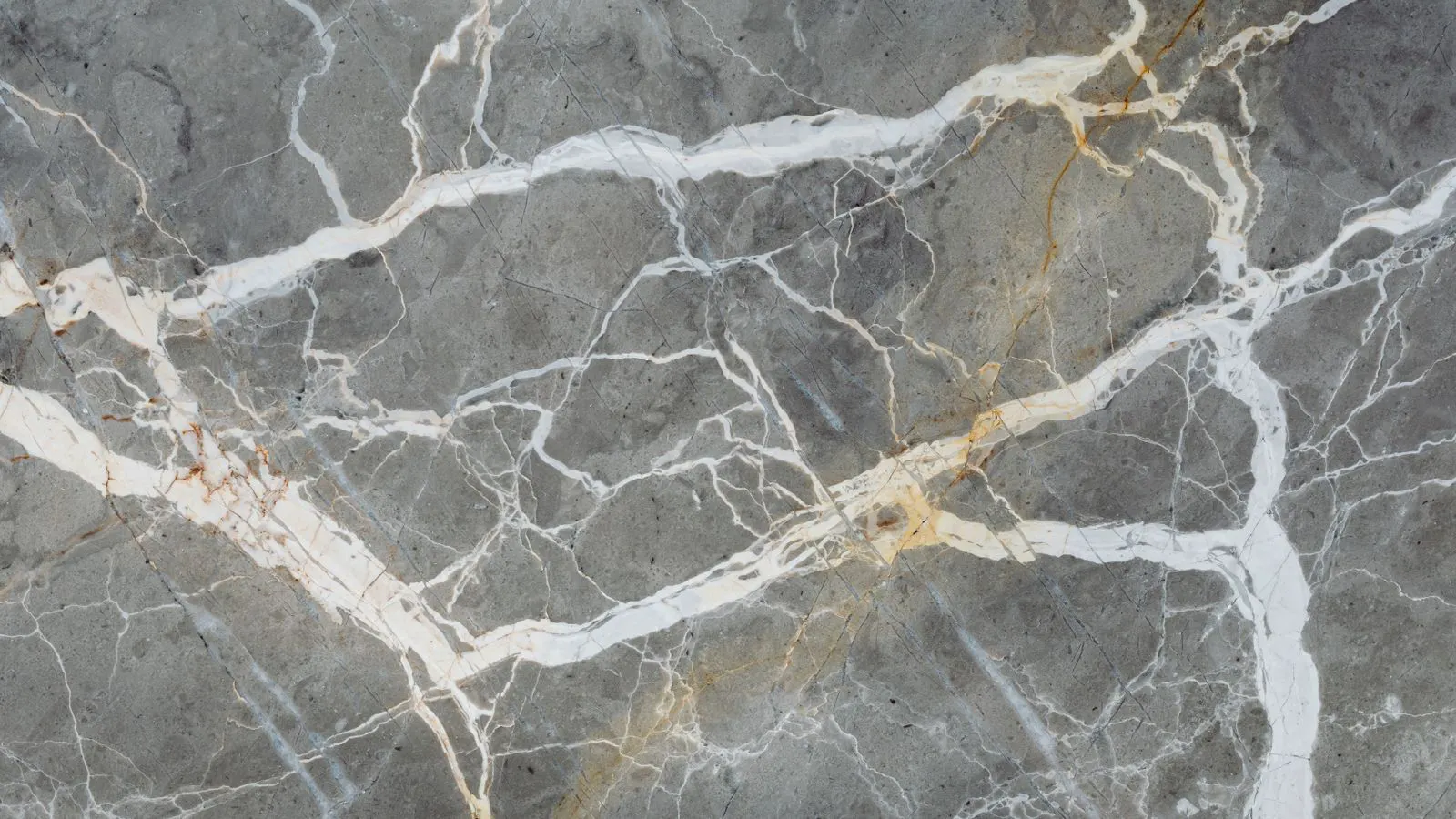
A grader looks at several factors. Surface condition is the first. They check for pinholes, patches, discoloration, and cracks that might appear after cutting. Vein continuity is the second. In marble and granite, the pattern matters as much as the color. A slab with a dramatic, continuous flow may command a premium over a slab with the same color but a broken pattern.
Structural integrity is the third major factor. Graders inspect the slab for hidden cracks, weak zones, or areas that may split during cutting or installation. A slab that fails a quality check at the factory is far cheaper to reject than a slab that cracks on the building site.
The grading decision affects every later step. It changes how the slab is cut, polished, and shipped. It determines whether the stone is suitable for a high-traffic floor or a decorative wall. It sets the baseline for what the buyer considers a defect versus a natural variation.
How Grading Systems Are Applied in Practice
Most stone suppliers use a tiered approach. A top tier, often labeled A or Premium, contains slabs with minimal flaws and consistent patterns. These slabs are selected for high-visibility projects where the client will see the stone up close. The next tier, often B or Standard, allows for small imperfections that are not visible at normal viewing distance.
Lower tiers, such as C or Utility, accept more variation. These slabs may have patches, slight color shifts, or minor surface blemishes. They are often used in less visible areas, such as basement walls, industrial floors, or projects where the stone will be covered or partially obscured.
The exact definitions vary. One supplier may call a small pinhole a defect in their A grade. Another may allow it. This is why the purchase order must specify the grading standard. If the buyer and supplier are not using the same definition of a defect, the project will face delays or cost overruns.
A practical example helps clarify this. A hotel group selects a granite for its lobby floor. The project budget includes a premium grade for the main entrance, but a standard grade for the corridors. If the supplier delivers A-grade slabs to the corridors, the buyer saves money on material but may face a mismatch in appearance. If the supplier delivers B-grade slabs to the main entrance, the client sees a lower quality finish and requests a replacement. Both outcomes cost more than the original plan.
What Quality Checks Reveal Before Delivery
A quality check is the physical inspection that verifies a slab meets the agreed grading standard. It is usually performed at two points. First, at the quarry or factory, where the slab is freshly cut and polished. Second, at the receiving site, where the buyer or a third-party inspector verifies the stone against the order.
At the factory, the check is more thorough. Inspectors measure dimensions, check surface flatness, and examine the pattern. They may use raking light to reveal subtle surface defects that are invisible under normal lighting. They check the edges for chipping and the back for hidden cracks.
At the receiving site, the check focuses on transport damage and final condition. Slabs can shift, chip, or crack during shipping. A slab that passed inspection at the factory may arrive with a corner chip that was not present before. This is where a final quality check prevents a dispute.
The inspector documents every finding. A photo of a pinhole, a note on a crack location, or a measurement of a dimension deviation all become part of the record. If the buyer accepts the slab with noted defects, that acceptance is usually written into a delivery note or inspection report. Without that paper trail, a later claim for replacement is difficult to enforce.
How Slab Grades Affect Final Cost
The most direct effect of grading is on the material price. Top-grade slabs cost more because fewer of them meet the strict criteria. The quarry or factory must cut more blocks to yield a single premium slab. This extra cutting time, plus the labor for sorting and grading, is built into the price.
A lower grade reduces the material cost per square meter. But the total project cost is not just the material. It includes labor, waste, and installation time. A lower-grade slab may require more careful layout to hide defects. It may need more cutting to match the pattern. It may create more offcuts. These factors increase the cost of the installation phase.
Consider a kitchen countertop project. A premium grade quartzite or marble slab has a continuous vein pattern. The installer can cut larger pieces with fewer seams. A standard grade slab may have a break in the vein. The installer must plan the seam to hide that break, which adds time and may require a larger slab to get the right look. The material savings from the lower grade are eaten up by the extra labor and waste.
There is also the cost of risk. A lower grade has a higher chance of a defect appearing during installation or after the project is complete. A crack that appears in a low-grade floor slab may require a full replacement. A premium grade slab has a lower probability of this happening. The buyer is essentially buying a margin of safety.
How Grading Impacts Sourcing Decisions
When sourcing stone, the buyer must decide which grade fits the project. This decision is not just about budget. It is about how the stone will be seen and used. A stone that will be a focal point, such as a reception desk or a fireplace surround, needs a higher grade. The client will look at it from multiple angles and distances. Flaws that are invisible from ten meters will be obvious from one meter.
A stone that will be in a background role, such as a garage floor or a basement wall, can often be a lower grade. The client will not inspect it closely. The primary concern is structural strength and cost control.
The sourcing decision also affects lead time. Premium slabs are in higher demand. A specific pattern or color may take longer to source if the buyer requires a strict grade. A buyer who is flexible on grading can often source stone faster and at a lower cost. A buyer who requires a specific grade may need to wait for the right slab to be cut and shipped.
The choice of grading also affects the relationship with the supplier. A clear grading agreement reduces friction. If the buyer knows exactly what they are paying for, they are less likely to dispute the delivery. If the grading is vague, every minor variation becomes a potential argument.
A Worked Example of Grading and Cost
A commercial project requires 500 square meters of limestone for a hotel lobby floor. The design calls for a pale color with subtle veining. The project manager has two options.
Option one is a premium grade slab. The supplier requires strict quality checks. Each slab is inspected for pinholes, color consistency, and pattern continuity. The material price is higher. The installer can lay the slabs with minimal waste because the pattern matches well. The labor cost is lower. The total cost per square meter, including material and installation, is higher than the base material price.
Option two is a standard grade slab. The supplier allows small pinholes and slight color variations. The material price is lower. The installer must spend more time selecting slabs to hide defects. Some slabs may be cut differently to avoid visible seams. The waste rate is higher. The labor cost increases. The total cost per square meter may be close to the premium option, even though the material is cheaper.
The project manager must weigh these factors. If the hotel has a strict brand standard, the premium grade may be the only option. If the budget is tight and the stone is a secondary feature, the standard grade may be sufficient. The decision must be made before the purchase order is signed.
How to Define Grading in a Purchase Order
The most common mistake in stone projects is a vague grading specification. A purchase order that says “high quality” is not a grading standard. It is a statement of intent. It does not tell the supplier what to deliver.
A clear purchase order should reference a specific grading system. It should define acceptable defects. It should state the maximum number of pinholes per square meter, if any. It should specify whether patches are allowed. It should define the acceptable color variation range. It should state whether veining must be continuous or if breaks are permitted.
The purchase order should also define the acceptance process. It should state that the buyer will inspect the slabs upon delivery. It should define the time window for rejection. It should state that defects noted in the delivery report are the basis for any claim.
This documentation protects both parties. The supplier knows exactly what they are being asked to deliver. The buyer has a clear standard to hold the supplier to. If the stone arrives and does not meet the written standard, the buyer has a factual basis for requesting a replacement or a credit.
Without this documentation, grading becomes a subjective argument. The buyer feels the stone is not good enough. The supplier feels the stone meets the general standard. The dispute is about interpretation, not fact. Clear definitions turn the conversation into a matter of measurement and documentation.
Frequently asked questions
What is the difference between stone grading and quality control?
Grading sorts stone into tiers based on expected appearance and structure. Quality control is the process of inspecting slabs to verify they meet the selected grade.
Can I mix grades in the same project?
Yes, but only if the design allows for variation. Mixing grades in a visible area can create a patchwork look. Mixing them in less visible areas is common to control costs.
How do stone defects affect installation labor?
More defects mean more time spent on layout, cutting, and selection. The installer must work harder to hide flaws, which increases labor costs.
Is a lower grade always cheaper?
Not necessarily. The material cost is lower, but the installation cost may be higher. The total project cost depends on the balance between material savings and labor and waste.
Who should perform the final quality check?
The buyer, a project manager, or a third-party inspector should perform the final check upon delivery. This verifies the stone before it is installed.