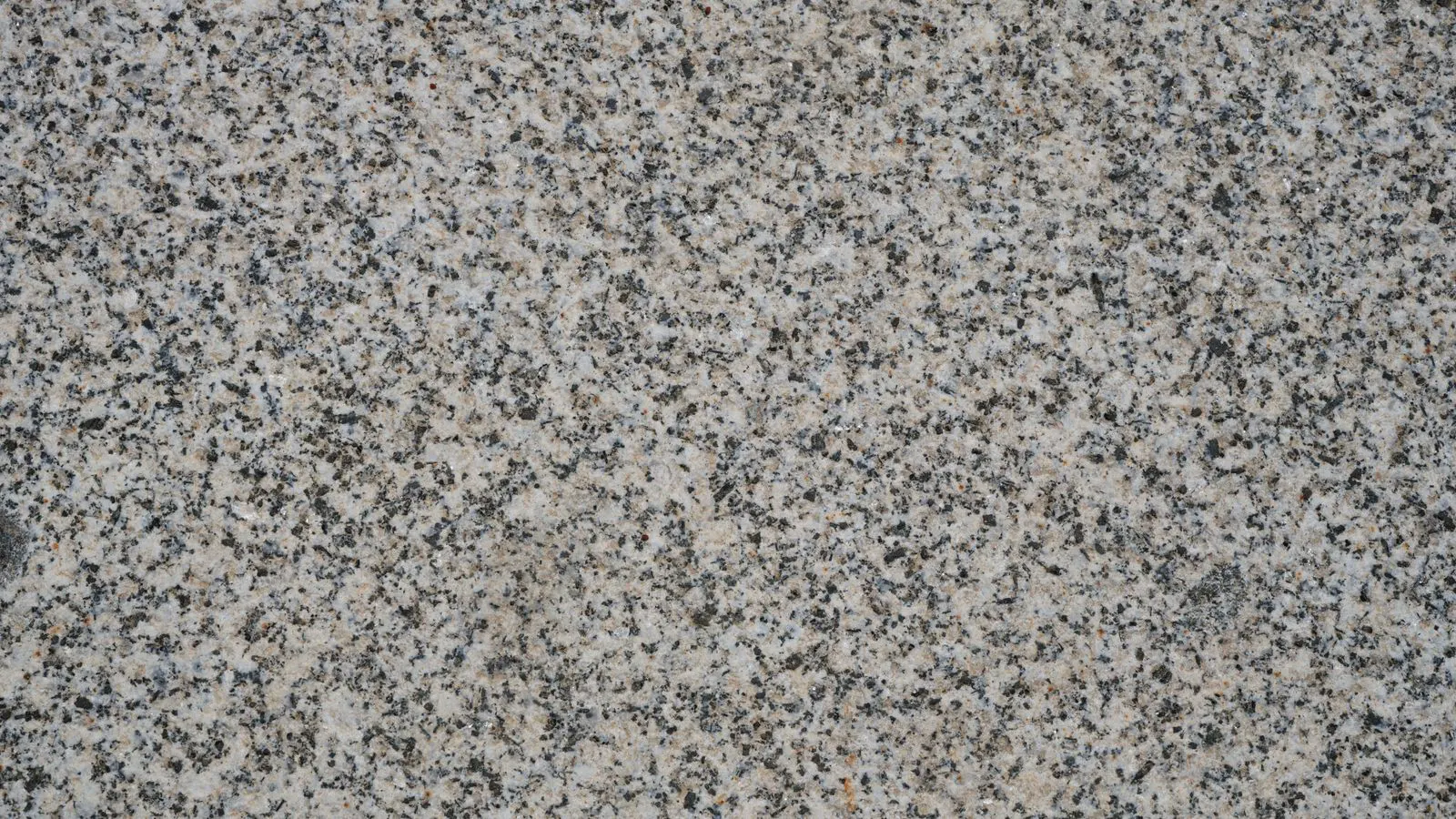
Buying 1200x2400cm Slabs: A Procurement Guide
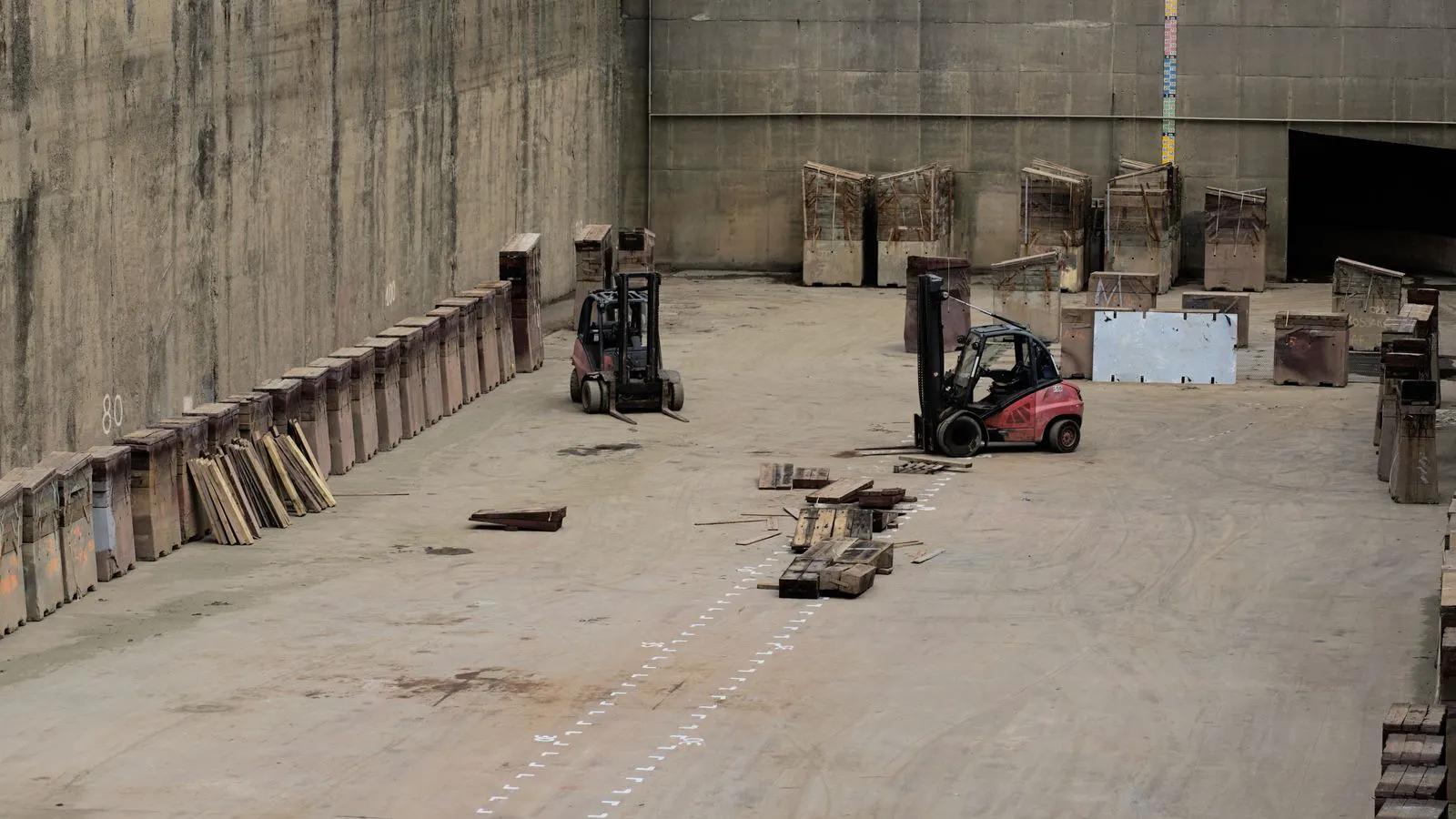
Buying large stone slabs requires a strict procurement framework. This guide covers evaluating dimensions, inspecting material, managing documentation, and planning shipping. It provides criteria for quality control and a checklist for final approval before payment.
- Verify physical dimensions and thickness against the contract before accepting the shipment.
- Inspect the slab for cracks, veining, and color variation under multiple lighting conditions.
- Confirm the shipping method and insurance coverage match the value and fragility of the stone.
- Maintain clear communication with the quarry and freight forwarder regarding tolerances.
- Use a final decision checklist to sign off on quality, documentation, and logistics.
Why Oversized Slabs Demand Different Handling
Large format stone changes the logistics of every project. A 1200x2400cm slab is not a standard tile. It requires heavy lifting, specialized cutting, and careful transport. The buyer must shift from a simple purchase order to a full procurement plan.
The material itself is often unique. Natural stone is not manufactured. Each slab carries its own pattern. When you buy a specific 1200x2400cm slab, you are buying a specific piece of rock. If that piece does not arrive in good condition, you do not have a replacement.
This guide outlines the steps to source, inspect, and ship these oversized pieces. It focuses on the practical checks that prevent costly delays and quality failures. The process applies to granite, marble, and limestone. The stone type changes the inspection focus, but the procurement framework remains the same.
Defining the Technical Specifications
Before contacting a quarry, define the exact requirements. The purchase order must list the dimensions, thickness, and finish. A 1200x2400cm slab is the standard size, but tolerances matter.
Specify the thickness. Common options are 18mm, 20mm, 24mm, or 30mm. Thicker slabs handle stress better but cost more. A 24mm slab is a common choice for commercial floors and large walls.
Define the finish. Polished, honed, or flamed finishes require different processing. Polished stone is more fragile during transport. Honed stone is more forgiving. The finish also affects cleaning and maintenance later.
Set the color criteria. Natural stone varies. Request samples. If the quarry cannot match a specific batch, agree on acceptable variation. Document this in writing. A verbal promise is not a contract.
| Specification | Detail to Define | Impact on Procurement |
|---|---|---|
| Dimensions | 1200x2400cm | Determines cutting losses and handling |
| Thickness | 18mm to 30mm | Affects weight and structural load |
| Finish | Polished, Honed, Flamed | Changes surface treatment and fragility |
| Quantity | Number of slabs | Influences pricing and shipping volume |
| Tolerance | +/- cm | Critical for pattern matching |
Selecting the Quarry and Supplier
The supplier relationship is the foundation of a successful procurement. You need a partner who understands the risks of shipping large slabs.
Request references from previous clients. Ask about their experience with large format shipments. A reliable supplier will have a track record of delivering intact slabs to demanding project sites.
Check their stock availability. Large slabs are often cut to order. If the quarry is cutting a new block for your project, the timeline is longer. If the slab is already cut, you can move faster. Ask for photos of the specific slab you are buying.
Evaluate their communication style. You will need to coordinate cutting, packing, and shipping. A supplier who responds slowly or provides vague answers is a risk. You need clarity on every step.
Inspecting the Slab Before Shipping
Inspection is the most critical step. Do not rely on photos alone. Request a video call or an on-site visit if the value justifies it.
Check the surface for cracks. Run your hand along the slab if you are on site. Look for hairline fractures that may not be visible in a photo. A crack can spread during transport.
Check the edges. Oversized slabs often have uneven edges. This affects how they fit together. Agree on the edge profile. Straight cut or natural edge? The choice affects the installation.
Check the color and pattern. Compare the slab to the samples. Look for color shifts. If the slab is for a continuous wall, check the pattern direction. You may need to rotate the slabs to create a smooth look.
Use a level to check for warping. A large slab should be flat. Warping causes gaps during installation. If the slab is warped, the quarry must fix it or you must reject it.
Managing Documentation and Contracts
The contract is your protection. It must cover every aspect of the deal.
The purchase order should list the slab ID. Each slab has a unique number. This number must appear on the packing slip, the bill of lading, and the insurance certificate.
Define the payment terms. Common terms are a deposit upon order and the balance before shipping. Do not pay the full amount until you are confident in the process.
Include a penalty clause for late delivery. Delays in stone procurement can stop a whole project. A penalty clause encourages the supplier to prioritize your shipment.
Specify the acceptance criteria. What happens if the slab arrives with damage? The contract must state who pays for the repair or replacement. If the damage is minor, you may accept it with a discount. If it is major, you reject it.
Planning the Shipping and Logistics
Shipping a 1200x2400cm slab is a specialized task. The freight forwarder must handle the weight and the size.
Choose the right transport method. Air freight is fast but expensive. Sea freight is slower but cheaper. For a single slab, air freight may be justified if the project is behind schedule. For multiple slabs, sea freight is standard.
Check the crate design. The slab must be protected. A wooden crate with padding is standard. The crate must be strong enough to handle the weight. The weight of a 1200x2400cm slab can exceed one ton.
Arrange insurance. The insurance must cover the full value of the stone. Standard cargo insurance may not cover large, fragile items. Buy a specific policy for the shipment.
Plan the final mile. The delivery truck must have a flatbed. The crane must be available at the site. The site must have a clear path from the dock to the installation area.
Final Decision Checklist
Before releasing the final payment, run through this checklist.
- Dimensions Verified: The slab measures 1200x2400cm within the agreed tolerance.
- Thickness Confirmed: The thickness matches the contract specification.
- Surface Check: No cracks, chips, or major scratches are visible.
- Pattern Match: The color and veining match the approved sample.
- Documentation Complete: Packing slip, bill of lading, and invoice are accurate.
- Insurance Active: The shipment is fully insured for its value.
- Site Ready: The installation area is prepared for heavy lifting.
- Contact Confirmed: The local supplier or installer is on standby for receipt.
If any item fails, pause the process. Do not proceed until the issue is resolved. The cost of a mistake is far higher than the cost of a delay.
Common Mistakes to Avoid
Buyers often skip the small details. These mistakes cause big problems.
Ignoring tolerance. A 1cm difference may seem small. But on a large wall, it creates a gap. Specify the tolerance in the contract.
Underestimating weight. A large slab is heavy. The building structure must support it. The floor must be reinforced. Check the load capacity before shipping.
Skipping the inspection. Buying without seeing the slab is a gamble. Use video calls. Request close-up photos of the surface and edges.
Poor communication. Do not assume the supplier knows what you need. Be specific. Write everything down. Confirm by email.
Ignoring the final mile. The truck may arrive on time, but if there is no crane, the slab sits in the truck. Plan the last step carefully.
The process is rigorous. It requires attention to detail. But the result is a high-quality installation. A well-procured slab looks better and lasts longer. The effort pays off.
Frequently asked questions
Can I buy a 1200x2400cm slab from a local distributor?
Yes, but you must confirm the source. The distributor may source from a quarry abroad. Ask for the origin and the specific block lot.
How long does shipping take for a large slab?
Sea freight takes several weeks. Air freight takes days. The timeline depends on the origin, destination, and port congestion.
What if the slab arrives with a small chip?
A small chip may be acceptable. Check the contract. If the damage is minor, you may negotiate a discount. If it is major, you reject the shipment.
Do I need a crane to receive the slab?
Yes. A 1200x2400cm slab is too heavy for manual handling. A crane or a hydraulic forklift is required for offloading and placement.
How do I match multiple slabs for a continuous pattern?
Request the slabs be numbered and photographed together. Review the photos to plan the layout. You may need to adjust the order to match the veining.