Granite vs Marble Slab Sizes for Commercial Kitchens
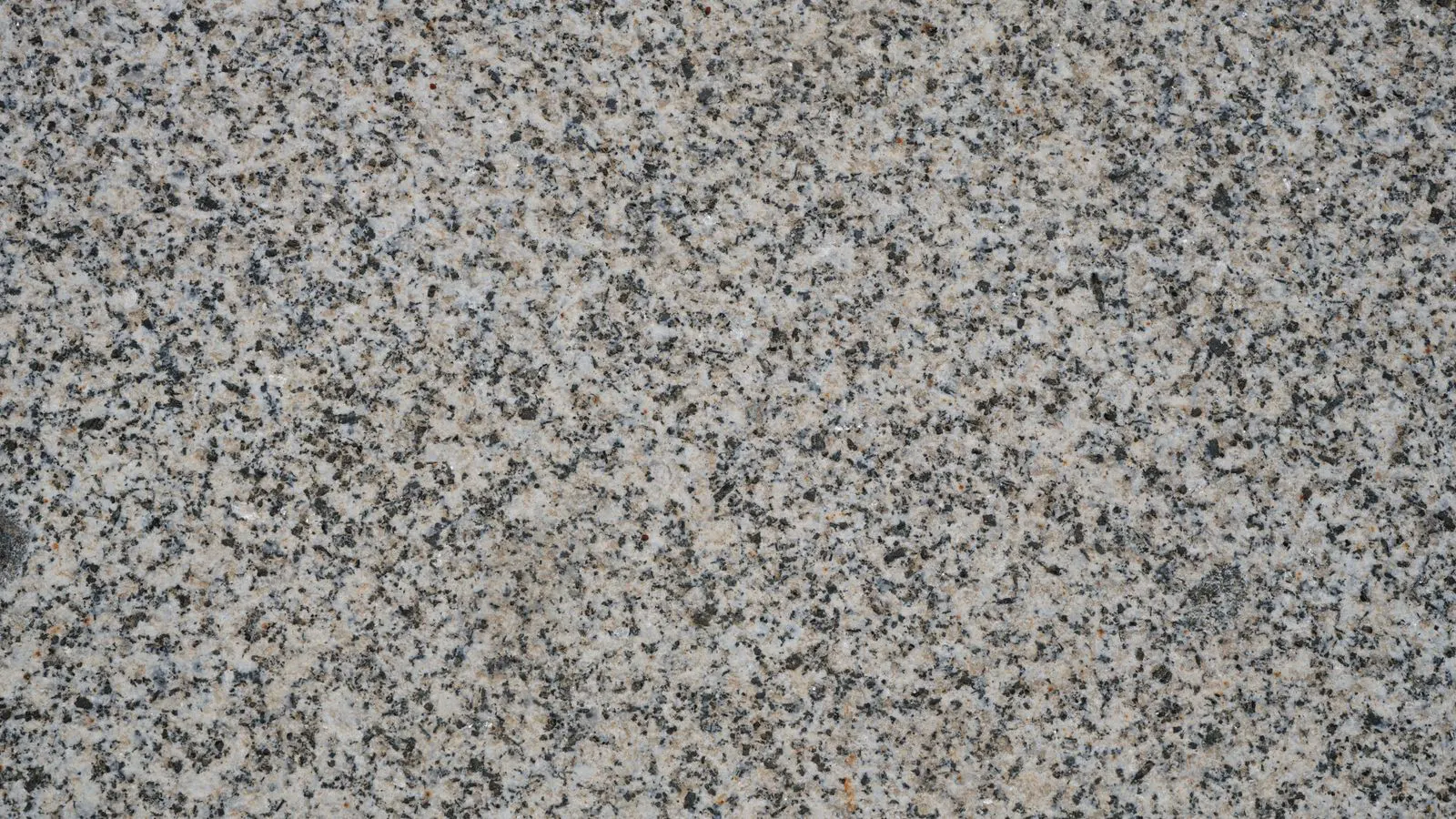
Granite slabs generally support larger formats with fewer joints than marble. Marble offers softer aesthetics but requires smaller cuts or reinforced support. The right choice depends on span, traffic, and maintenance.
- Granite tolerates larger spans and heavier loads than marble due to higher compressive strength.
- Marble often requires smaller tiles or additional support for wide kitchen counters.
- Joint spacing and edge profiles affect how large a slab can be installed safely.
- Commercial kitchens need materials that resist thermal shock and heavy daily impact.
- Always verify slab dimensions with the supplier before ordering for cut-to-size work.
Why Slab Size Matters in Commercial Kitchens
Commercial kitchen stone faces daily stress that home installations do not. Heavy prep tables, hot pans, and frequent traffic demand materials that hold up under load. The choice between granite and marble shapes how large a slab can be and how it performs over time.
Granite and marble both come in standard slabs, but their physical behavior changes the practical maximum size. Granite is harder and more resistant to wear. Marble is softer and more porous. This difference drives the format selection for large kitchen counters, island surfaces, and wall panels.
Slab size is not just a matter of aesthetics. It determines how the stone behaves under weight, heat, and impact. A large marble slab may look impressive in a showroom, but it can crack if the span between supports is too wide. A granite slab of the same size will hold its shape more readily, though it still requires proper support. The structural integrity of the stone depends on its thickness, the distance between supports, and the type of load it must bear.
In a commercial kitchen, the stone is not a passive surface. It takes the weight of mixers, ovens, and cutting boards. It endures the shock of dropped utensils and the abrasion of daily cleaning. The size of the slab dictates how these forces are distributed. A larger slab spreads the load over a wider area, but it also increases the risk of deflection if the supports are not positioned correctly. For this reason, the slab size must be matched to the specific demands of the kitchen layout.
Standard Slab Dimensions for Granite and Marble
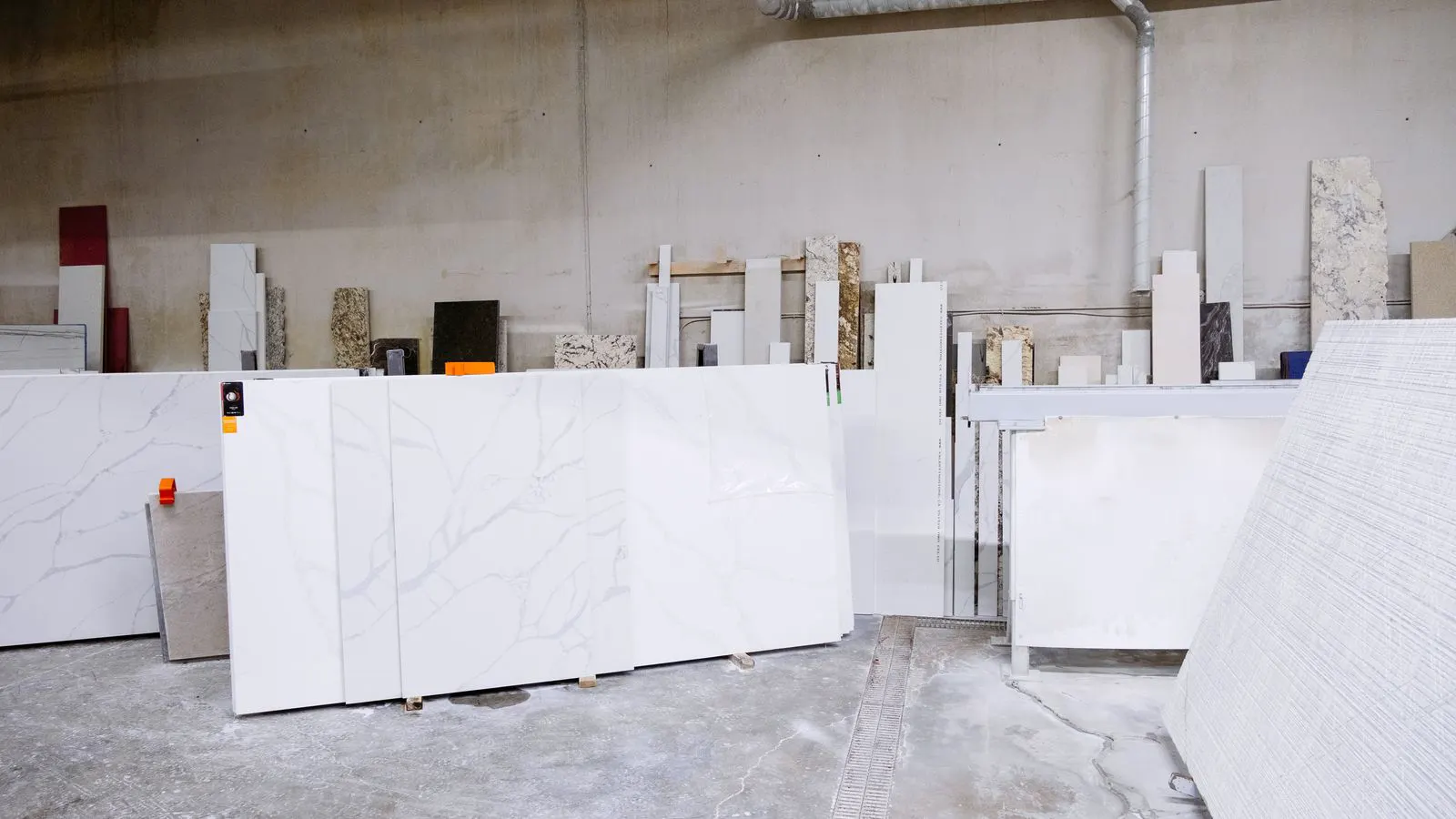
Most suppliers cut slabs into manageable sizes for transport and installation. Common formats include 1600 by 2000 millimeters, 1800 by 2400 millimeters, and 2000 by 2600 millimeters. Thickness usually sits between 18 millimeters and 25 millimeters for countertop work.
Granite slabs often arrive in the larger end of this range. The stone can handle wider spans without excessive sag. Marble slabs are frequently cut smaller, particularly for polished or honed finishes. A 2000 by 2600 marble slab may flex more than the same size granite piece when loaded at the center.
Suppliers also offer custom sizes. Some cut to 3000 millimeters in length for specific island designs. These larger formats require careful handling. Thin sections or uneven grain patterns can weaken the stone. Always confirm the slab is free of cracks and has consistent color before cutting.
When selecting a standard size, consider the transport logistics. A 2000 by 2600 millimeter slab is difficult to move through narrow doorways or elevators. It may need to be lifted by two people or a small mechanical aid. A 1600 by 2000 millimeter slab is easier to handle but may require more joints for a long counter. The number of joints affects the visual continuity of the stone and the long-term maintenance of the surface.
Thickness is another critical dimension. An 18 millimeter slab is lighter and cheaper, but it is more prone to bending. A 25 millimeter slab is heavier and stiffer, reducing the risk of cracking under load. For commercial kitchens, a thicker section is often preferred because it allows for a larger span between supports. The weight of the slab also impacts the structural load on the cabinets or legs below. A 2000 by 2600 millimeter granite slab at 25 millimeters thickness will weigh significantly more than a marble slab of the same size and thickness. This weight must be accounted for in the structural design of the kitchen base.
Structural Limits and Load Capacity
Granite has a high compressive strength. It can support the weight of commercial kitchen equipment without significant deflection. A standard 20 millimeter thick granite slab can span a wider gap between supports than marble.
Marble has lower compressive strength. It is more likely to crack under point loads or thermal shock. Hot pots placed directly on marble can cause surface damage. Heavy prep tables add stress across the entire slab. For commercial kitchens, marble works best with shorter spans or additional support.
The edge profile also affects strength. A full edge or book-matched edge adds rigidity. A simple square edge offers less resistance to bending. When planning a large island, consider the span between cabinets or legs. A 1500 millimeter span is usually manageable in marble. Beyond that, granite becomes the safer choice.
Load capacity is not just about the weight of the equipment. It is also about the dynamic forces applied to the stone. A cook dropping a metal pot on a marble slab creates a point load that can be hundreds of times the weight of the pot. Granite can absorb this shock due to its higher hardness. Marble, with its crystalline structure, is more likely to chip or crack at the point of impact.
Thermal shock is another factor. In a commercial kitchen, pans come out of the oven at high temperatures. Placing a hot pan directly on marble can cause the stone to expand rapidly, leading to micro-cracks or surface crazing. Granite is more resistant to thermal shock, but it is not immune. If the temperature change is extreme, even granite can crack. For this reason, it is best to use trivets or heat-resistant pads for all stone surfaces, regardless of the material.
The support structure must be designed to match the slab size. A large marble slab requires supports that are closer together to prevent sagging. If the span is too wide, the center of the slab will deflect under load, leading to cracking at the edges or supports. For granite, the supports can be spaced further apart, allowing for a cleaner look with fewer visible supports. However, even granite requires proper support to prevent deflection over time.
Comparison of Granite and Marble for Large-Format Installations
The table below compares the two stones for commercial kitchen applications. It focuses on practical limits and typical use cases.
| Option | Best for | Limitations |
|---|---|---|
| Granite slabs | Wide counters, heavy prep areas, high-traffic zones | Can be harder to cut to tight patterns, higher cost for premium grades |
| Marble slabs | Statement islands, decorative features, moderate-traffic areas | Prone to etching, requires more frequent maintenance, lower load tolerance |
| Smaller marble tiles | Walls, backsplashes, low-traffic counters | More joints, potential for uneven grout lines over time |
| Honed granite | Commercial prep surfaces, slip resistance | Less reflective finish, may show stains if not sealed properly |
| Polished marble | Aesthetic accents, display counters | High maintenance, sensitive to acids and heat |
When evaluating these options, consider the specific tasks performed in the kitchen. A high-volume restaurant kitchen requires surfaces that can withstand heavy use and frequent cleaning. Granite is generally the better choice for these areas. A boutique hotel or high-end restaurant may prioritize aesthetics over durability. In this case, marble may be used for feature islands or display counters, with granite reserved for the work areas.
The table also highlights the limitations of each stone. Granite can be harder to cut to tight patterns, which may limit design options. Premium grades of granite can be more expensive than marble, depending on the source and finish. Marble is prone to etching, which means that acids from food or cleaning agents can damage the surface. This requires a strict maintenance plan to keep the stone looking its best.
Smaller marble tiles are a practical alternative for walls and backsplashes. They are easier to handle and install than large slabs. However, they introduce more joints, which can become uneven over time. This is a consideration for commercial kitchens where the surface must look clean and professional. Honed granite offers a practical option for prep surfaces. It is less reflective than polished granite, which reduces glare. It is also more slip-resistant, which is beneficial in wet areas.
When to Choose Granite for Large-Format Kitchens
Choose granite when the kitchen requires durability and minimal maintenance. Large-format granite slabs suit long counters, multi-island layouts, and areas with heavy equipment. The stone resists scratches and heat better than marble. This reduces the need for frequent re-sealing or replacement.
Granite also allows for fewer joints. A long counter can be made from one or two slabs. This creates a cleaner look and reduces cleaning points. For commercial kitchens where hygiene is a priority, fewer seams mean fewer places for bacteria to accumulate.
The trade-off is aesthetics. Granite has a more varied pattern. Some buyers prefer the uniform look of marble. If the design calls for a specific stone color or pattern, verify that large slabs are available in that grade. Premium granite may require longer lead times for custom sizes.
Granite is the go-to choice for high-traffic commercial kitchens. It can withstand the daily wear and tear of a busy environment. The stone is hard, which means it is resistant to scratching from knives and utensils. It is also less porous than marble, which reduces the risk of staining from food and liquids.
When selecting granite for a large-format installation, pay attention to the grain pattern. A consistent grain can make the stone look more uniform, while a varied grain can add visual interest. For a large island, a book-matched edge can create a symmetrical pattern that enhances the design. This requires careful cutting and placement, which may increase the cost of the installation.
Granite also has many colors and patterns. This allows for customization to match the kitchen design. However, the availability of large slabs in a specific color or pattern may be limited. It is important to check the stock with the supplier before ordering. If the desired stone is not available in a large size, it may be necessary to use multiple smaller slabs, which will introduce more joints.
When to Choose Marble for Commercial Kitchens
Marble suits kitchens where appearance is the priority. Polished marble creates a bright, reflective surface that works well in high-end dining areas. It is often used for island tops, display counters, and feature walls.
For large-format installations, marble works best with shorter spans or reinforced support. A 1000 by 1500 millimeter slab on a well-supported island is practical. A 2000 by 2600 marble slab may require additional support or a thicker section. Always consult a structural engineer for spans beyond 1500 millimeters.
Marble requires careful handling. It is softer and more prone to etching. Citrus juices, cleaning agents, and heat can damage the surface. Commercial kitchens need a maintenance plan. Regular sealing and prompt cleaning of spills help preserve the finish.
Marble is often chosen for its aesthetic qualities. It has a unique pattern that adds character to the space. Polished marble has a high-gloss finish that reflects light, making the space feel larger and brighter. This is particularly useful in kitchens with limited natural light.
However, marble is not suited for all areas of a commercial kitchen. It is best used for display counters and feature islands, not for heavy prep areas. The stone is softer than granite, which means it is more prone to scratching and etching. In a high-traffic area, the surface will show wear more quickly.
When installing marble, it is important to use a proper support structure. The slab must be supported at regular intervals to prevent sagging. A 1000 by 1500 millimeter slab can be supported at the four corners, but a larger slab may require additional supports in the center. The supports must be level and sturdy to prevent the slab from shifting or cracking.
Marble also requires a specific type of cleaning agent. Acidic cleaners can etch the surface, leaving a dull patch that is difficult to remove. It is best to use a neutral pH cleaner for routine maintenance. For deep cleaning, a professional polishing service may be required to restore the gloss of the finish.
Practical Tips for Slab Selection
Selecting the right slab size involves more than aesthetics. Check the following points before ordering.
- Measure the span between supports. A 1000 millimeter span is safe for both granite and marble. Beyond 1500 millimeters, granite is preferred.
- Confirm the slab thickness. Thicker slabs, such as 25 millimeters, add rigidity and reduce deflection.
- Inspect the stone for cracks. Even a small hairline crack can spread under load. Reject slabs with visible flaws.
- Check the edge profile. A full edge or book-matched edge adds strength. A simple square edge offers less resistance to bending.
- Plan for maintenance. Marble needs more frequent sealing and cleaning. Granite is lower maintenance but still requires periodic sealing.
When measuring the span, consider the future use of the space. If the kitchen is expected to grow, it may be worth planning for a larger span now. However, this may require a different stone or a more robust support structure. It is better to plan for the long term than to modify the installation later.
Slab thickness is a key factor in determining the strength of the stone. A thicker slab is more rigid and less prone to bending. However, it is also heavier and more expensive. For a commercial kitchen, a 25 millimeter slab is a good balance between strength and cost. For a high-end installation, a 30 millimeter slab may be used to add extra weight and stability.
Inspecting the stone for cracks is a critical step. Even a small hairline crack can spread under load, leading to a larger break. It is best to reject slabs with visible flaws and request a replacement. The supplier should be able to provide a slab that is free of defects.
The edge profile affects the strength of the slab. A full edge or book-matched edge adds rigidity and reduces the risk of cracking. A simple square edge offers less resistance to bending, which may be acceptable for smaller spans but not for larger ones. When planning a large island, consider using a book-matched edge to add both strength and visual appeal.
Planning for maintenance is essential for the long-term performance of the stone. Marble requires regular sealing and cleaning to prevent etching and staining. Granite is lower maintenance but still requires periodic sealing to prevent liquid from penetrating the surface. A maintenance plan should include regular cleaning, periodic sealing, and professional polishing when needed.
Common Mistakes in Large-Format Stone Installation
Installers often underestimate the weight and fragility of large slabs. A 2000 by 2600 marble slab can weigh several hundred kilograms. Lifting without proper equipment risks cracking the stone. Use a vacuum lifter or crane for slabs larger than 2000 millimeters.
Another mistake is ignoring thermal shock. Hot pans placed directly on marble can cause micro-cracks. Granite handles heat better, but even it can crack if subjected to extreme temperature changes. Use trivets or heat-resistant pads for all stone surfaces.
Joint spacing is another common error. Cutting slabs too close to the edge leaves no room for movement. Thermal expansion and contraction can cause cracking. Leave a small gap at fixed walls and use flexible grout or sealant.
For commercial kitchens, always involve a qualified stoneworker. They can assess the slab, plan the cuts, and ensure the installation meets load requirements. A well-planned project avoids costly repairs and extends the life of the stone.
The weight of a large slab is a significant factor in the installation process. A 2000 by 2600 millimeter slab can weigh over 500 kilograms, depending on the stone and thickness. Lifting this weight with two people is risky and can lead to injury or damage to the slab. It is best to use a vacuum lifter or a small crane for slabs of this size. The vacuum lifter attaches to the underside of the slab and lifts it vertically, reducing the risk of cracking.
Thermal shock is a common cause of damage to natural stone. In a commercial kitchen, pans and pots are often at high temperatures. Placing a hot pan directly on marble can cause the stone to expand rapidly, leading to micro-cracks or surface crazing. Granite is more resistant to thermal shock, but it is not immune. Even granite can crack if subjected to extreme temperature changes. Using trivets or heat-resistant pads for all stone surfaces can prevent this damage.
Joint spacing is another critical factor in the installation process. Cutting slabs too close to the edge leaves no room for movement. Thermal expansion and contraction can cause cracking if there is no space for the stone to move. It is best to leave a small gap at fixed walls and use flexible grout or sealant. This allows the stone to expand and contract without putting stress on the joints.
For commercial kitchens, always involve a qualified stoneworker. They can assess the slab, plan the cuts, and ensure the installation meets load requirements. A well-planned project avoids costly repairs and extends the life of the stone. The stoneworker can also advise on the best type of support structure and the optimal slab thickness for the specific application.
Frequently asked questions
What is the maximum slab size for marble in a commercial kitchen?
Marble slabs are typically limited to around 2000 by 2600 millimeters for countertop work. Larger spans require additional support or a switch to granite.
Can granite be used for wall panels in commercial kitchens?
Yes. Granite is suitable for wall panels due to its strength and resistance to moisture. It can be installed in larger formats than marble for the same reason.
Does thickness affect slab size selection?
Yes. Thicker slabs, such as 25 millimeters, add rigidity and allow for larger spans. Thinner slabs, like 18 millimeters, are better for smaller cuts.
How do I know if a slab has hidden cracks?
Inspect the slab under bright light. Tap it lightly with a rubber mallet. A dull sound may indicate a crack. Reject any slab with visible flaws or uneven edges.
Which stone requires more maintenance in a commercial kitchen?
Marble requires more maintenance. It needs regular sealing and prompt cleaning of spills. Granite is lower maintenance but still benefits from periodic sealing.