Buyer’s Guide to Selecting Stone Finishes for Commercial Spaces
Choose commercial stone finishes by matching surface texture to traffic levels, maintenance capacity, and design intent. Evaluate slip resistance, cleaning requirements, and long-term wear to avoid costly replacements or aesthetic failures in busy spaces.
- Match finish texture to foot traffic and cleaning methods.
- Test samples in real lighting and with proposed flooring adhesives.
- Verify supplier documentation for finish consistency and maintenance protocols.
- Prioritize slip resistance in wet or public areas.
Start with the Use Case and Traffic Profile
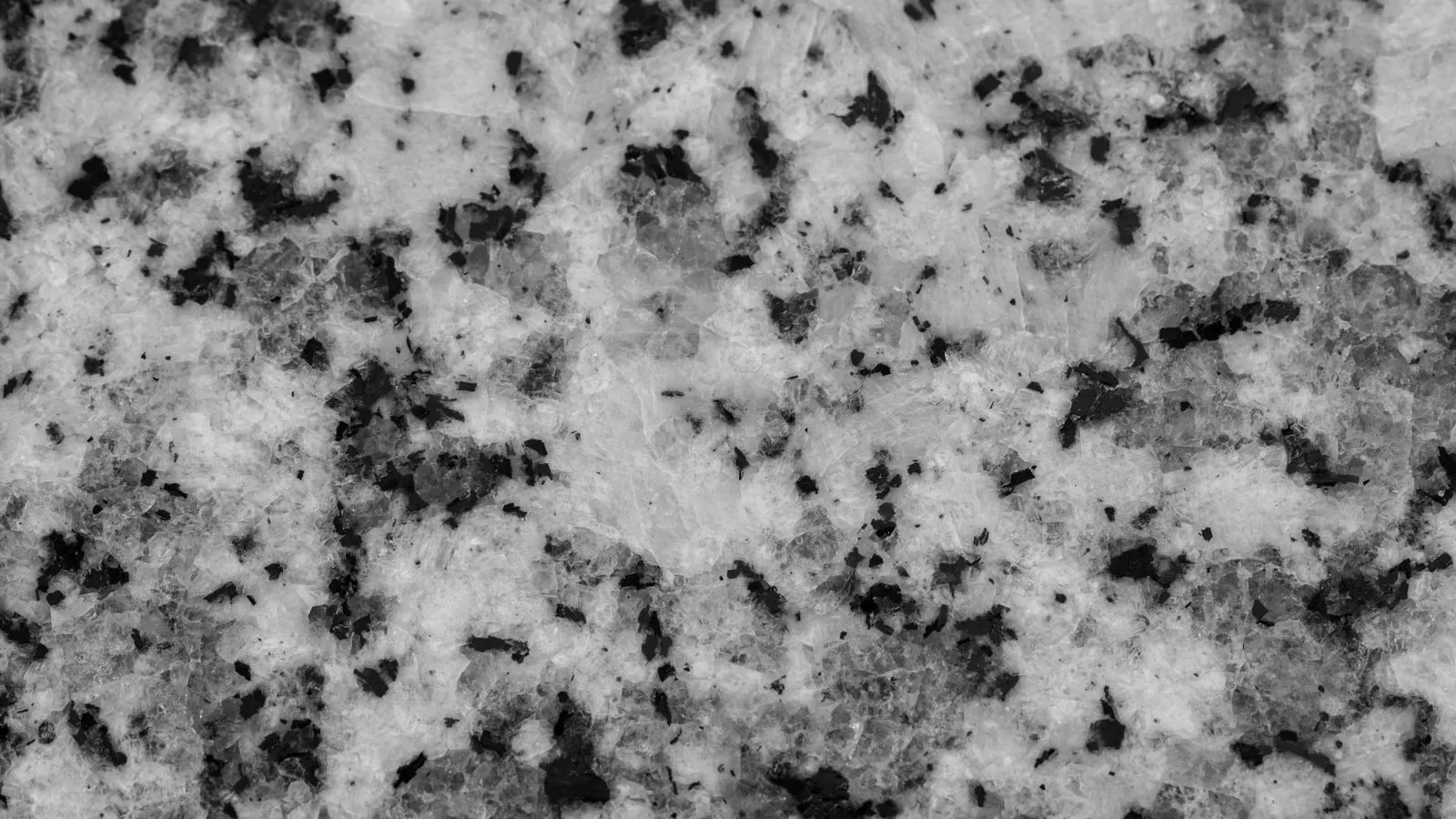
The finish you choose must survive the specific demands of the space. A quiet office corridor and a public retail entrance have different wear patterns. A polished marble floor in a lobby will show foot traffic patterns, scuffs, and dullness if the maintenance routine is inconsistent. A honed granite floor in a warehouse area tolerates heavy trolleys and frequent scrubbing with less visible wear.
Define the traffic level before selecting a finish. Count daily users if possible. Identify wet zones, such as entryways with rain, or areas near washrooms. Consider whether cleaning will be done by staff or a professional service. The finish must fit this reality. A highly polished surface requires regular buffing or re-polishing to keep its reflectivity. A textured finish hides minor scratches and dust, but it may show grime in the texture profile if not cleaned properly.
Think about the direction of movement. In a busy retail aisle, friction from thousands of pairs of shoes creates a linear abrasion pattern. If the stone is too hard for the load, the surface may chip or spall at the edges. If it is too soft, it will wear down. Match the stone density to the load. A granite slab in a hospital corridor must handle the weight of wheeled equipment. A marble floor in a private residence can handle far less. The finish is the first layer of protection. If the stone itself is not suited to the traffic, no finish will save it.
Evaluate Slip Resistance and Safety
Slip resistance is a non-negotiable factor in commercial flooring. A polished surface, especially when wet, can become slippery. For entryways, lobbies, and any area where water or cleaning solutions are present, a textured or honed finish is safer. Engineers and specifiers often require a certain level of slip resistance based on the application. Check the finish type and the stone’s natural texture. Some stones have a natural micro-texture even when polished. Others need a mechanical process, such as brushing or sanding, to create a more grip-friendly surface.
Ask the supplier to provide samples for a slip test. Many commercial buyers use a pendulum tester or a simple wet-slip test with the intended flooring layout. A finish that looks perfect in a showroom may not perform well under a wet mop. The stone’s natural porosity also affects slip resistance. More porous stones may absorb cleaning fluids and change their surface feel.
Consider the angle of the slope. If the floor has a gradient, even a slightly textured finish can become hazardous if water runs across it. In kitchens and bathrooms, the floor is rarely dry. The finish must maintain grip under standing water. A polished surface acts like glass when wet. It offers almost no friction. A brushed finish creates channels that break the water film. This makes a significant difference in safety compliance.
Compare Polished, Honed, and Textured Finishes
The three most common finishes in commercial projects are polished, honed, and textured. Each has distinct performance and aesthetic outcomes.
| Criterion | What to look for | Why it matters |
|---|---|---|
| Polished | High reflectivity, smooth feel, consistent luster | Best for low-traffic display areas; requires strict maintenance to prevent dullness. |
| Honed | Matte, even surface, no strong reflections | Hides minor scratches and dust; good for medium traffic and wet areas. |
| Textured | Brushed, sandblasted, or tumbled profile | Provides slip resistance and hides wear; suits high-traffic and outdoor-adjacent spaces. |
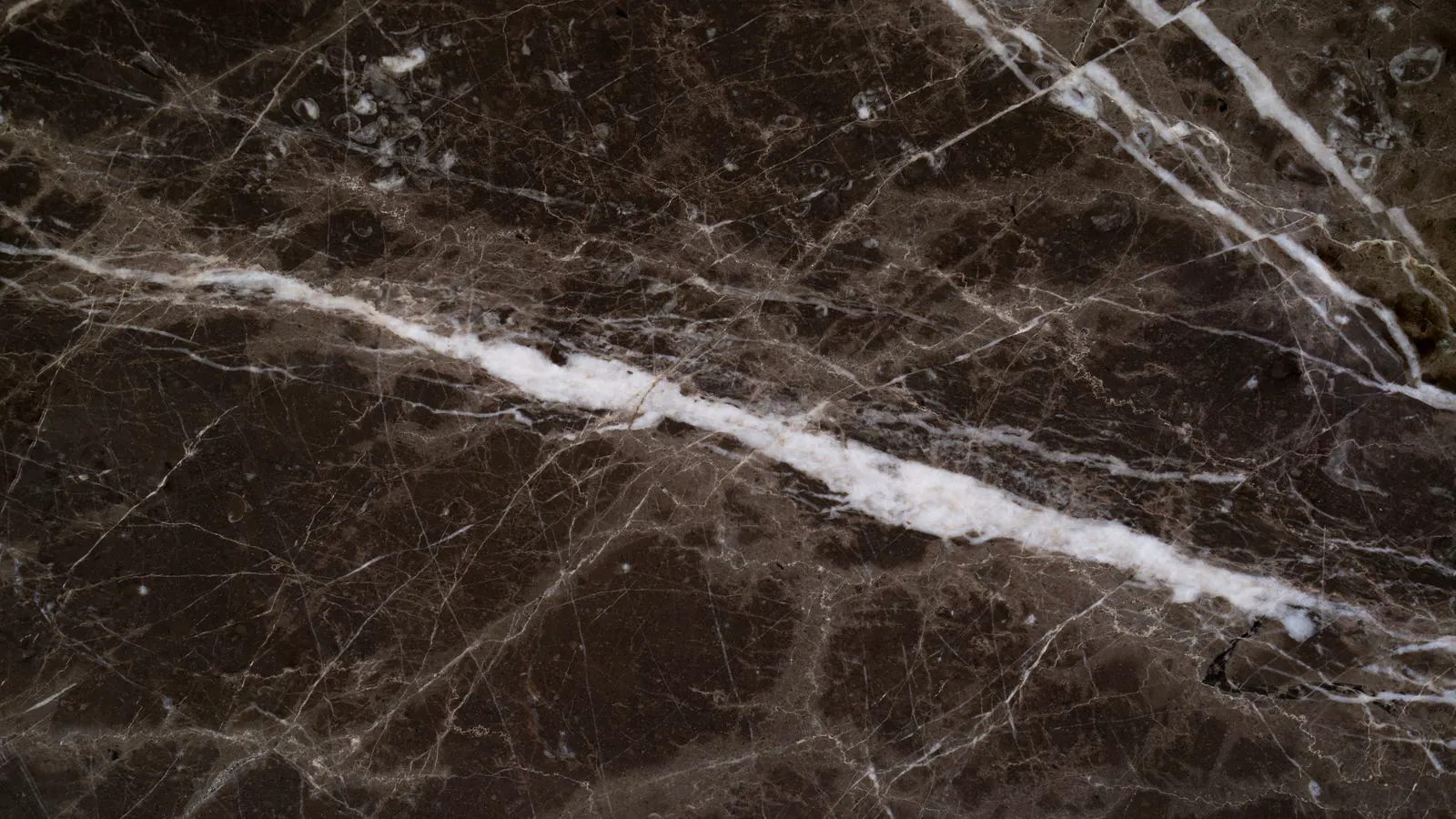
A polished finish is ideal for a reception desk or a quiet gallery floor. It emphasizes the stone’s color and veining. However, it is the most maintenance-intensive. Any scuff from a shoe or a cart wheel becomes visible. A honed finish offers a softer look. It is more forgiving in areas with moderate traffic. It does not show footprints or wet marks as clearly as a polished surface. A textured finish is the most durable in high-wear zones. The surface profile breaks the line of sight, so minor damage blends in. The trade-off is that cleaning is more demanding. Dirt can settle into the texture. A regular dry vacuum and damp mop are usually sufficient, but the cleaning crew must be trained not to use abrasive pads that can flatten the texture over time.
The visual effect of the finish changes with the lighting. A polished surface reflects the ceiling lights, creating bright spots. A honed surface diffuses the light, offering a more even appearance. A textured surface creates shadows that can make the stone look rougher than it is. View the sample under the actual lighting of the space. Daylight and artificial light produce different results.
Consider Maintenance and Cleaning Protocols
Before finalizing the finish, map out the maintenance routine. Who will clean the floor? How often? What products will they use? A polished surface requires a specific cleaning regimen. Neutral pH cleaners are standard. Avoid acidic solutions on marble or other calcareous stones. For a textured surface, a neutral cleaner and a soft-bristle brush may be needed to lift dirt from the profile.
Ask the supplier or fabricator for a written maintenance recommendation. This document should specify approved cleaning products, frequency, and any re-finish intervals. A polished floor may need a light re-polish every few years to restore luster. A textured floor may need a light abrasion treatment to restore grip if the profile flattens. Budget for these long-term costs. The initial material cost is only part of the lifecycle expense. A finish that saves money upfront but requires expensive specialist maintenance may cost more over the life of the building.
Training is a major factor. If the cleaning staff uses the wrong product, they will damage the finish. An acidic cleaner can etch marble. An abrasive mop can scratch a polished surface. The supplier should provide a short instruction sheet for the cleaning team. This document prevents accidental damage and extends the life of the floor.
Verify Consistency and Quality Control
Commercial projects cover large areas. A finish that looks uniform on a sample may not hold up over 500 square meters. Variation in stone color, veining, and finish depth is natural, but it must be controlled. Request a sample batch that matches the final slab selection. Check the finish on the sample under the lighting conditions that will be in the space. A polished finish looks different in warm light than in cool light. A textured finish shows shadows that can make the stone appear darker or more uneven than it will in practice.
Inspect the edges and the back of the slab. A quality fabricator will ensure the finish is consistent across the entire surface. Look for tool marks, uneven sanding, or patches where the finish depth is not uniform. Ask about the tolerances. A polished finish should have no visible tool marks. A textured finish should have a consistent profile depth. Document the acceptance criteria in the purchase order. This protects you if a batch arrives with a finish that does not match the approved sample.
Check the corners of the slabs. These areas often show the most wear during fabrication. If the corners are rounded or chipped, the finish may not be uniform. A consistent finish requires careful control of the machine settings. If the supplier cannot guarantee consistency, look for a different fabricator.
Plan for Future Repairs and Compatibility
Commercial spaces change. Floors get replaced in phases. New sections must match the old ones. A polished finish is easier to match if the stone source is the same. A textured finish is harder to replicate exactly. The texture profile can vary between batches or between different fabricators. Ask the supplier about their ability to re-finish old stone to match new material. Some fabricators can re-hone or re-texture a surface, but the result may not be identical to the original.
Consider the stone’s compatibility with the building’s systems. If the space uses a specific flooring adhesive or a heated floor system, confirm the finish is suitable. Some finishes can be affected by thermal expansion. A dense, low-porosity stone with a honed finish is generally more stable than a porous stone with a polished surface in a heated environment. Review the technical data sheets for the specific stone variety. Look for notes on thermal stability, porosity, and recommended surface treatments.
If the floor is part of a larger project, plan for future expansions. If you need to add more stone in five years, you need a finish that can be matched. Keep samples of the original finish. Store them in a safe place. This makes it easier to order matching material in the future.
Final Decision Checklist
Before signing off on the finish, complete this checklist:
- Traffic and use: Have you defined the daily user count and wet-zone areas?
- Slip resistance: Has a wet-slip test been performed on the sample?
- Maintenance: Is the cleaning routine and product list written down and agreed upon?
- Consistency: Have you inspected a sample batch under site lighting?
- Documentation: Do you have the supplier’s maintenance and re-finish recommendations?
- Compatibility: Have you checked the stone’s compatibility with adhesives and heating systems?
If any of these items are missing, do not proceed. The finish is a long-term commitment. A small decision made today can affect the look and cost of maintenance for decades. Get the details right.
Frequently asked questions
Can I mix polished and textured finishes in the same commercial space?
Yes, but be careful with the transition. A polished area next to a textured area can create a noticeable change in feel and light. Use a clear boundary, such as a change in stone color or a strip of metal, to define the zones.
How often does a polished commercial floor need re-polishing?
It depends on traffic and maintenance. A high-traffic lobby may need a light re-polish every few months. A lower-traffic office may only need it every two or three years. A professional inspection will give you a better estimate.
Is a textured finish harder to clean than a polished one?
It can be. Dirt and dust settle into the texture profile. A dry vacuum followed by a damp mop with a neutral cleaner is usually enough. Avoid abrasive pads that can wear down the texture.
What if the stone is porous, like marble?
Porous stones need a protective sealant. A polished finish on porous marble is more vulnerable to stains. A honed or textured finish with a good sealer is often more resilient in high-traffic areas. Always ask the supplier for a recommended sealer.
Can I get a custom finish, like a specific brush pattern?
Some fabricators can create custom textured profiles. This requires a longer lead time and a higher cost. Get a physical sample approved before ordering the full batch. The texture profile is hard to describe in words, so visual approval is critical.