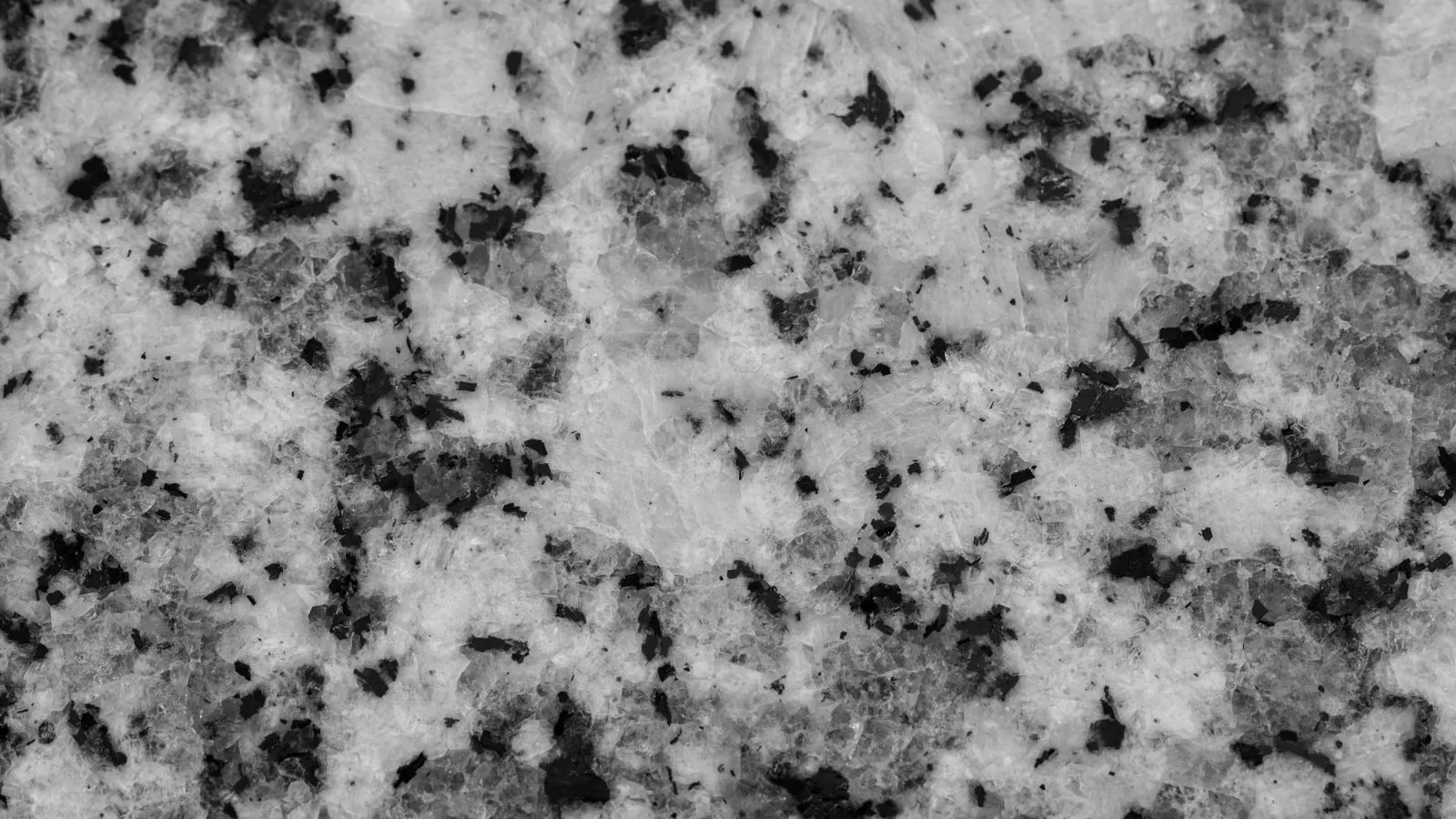
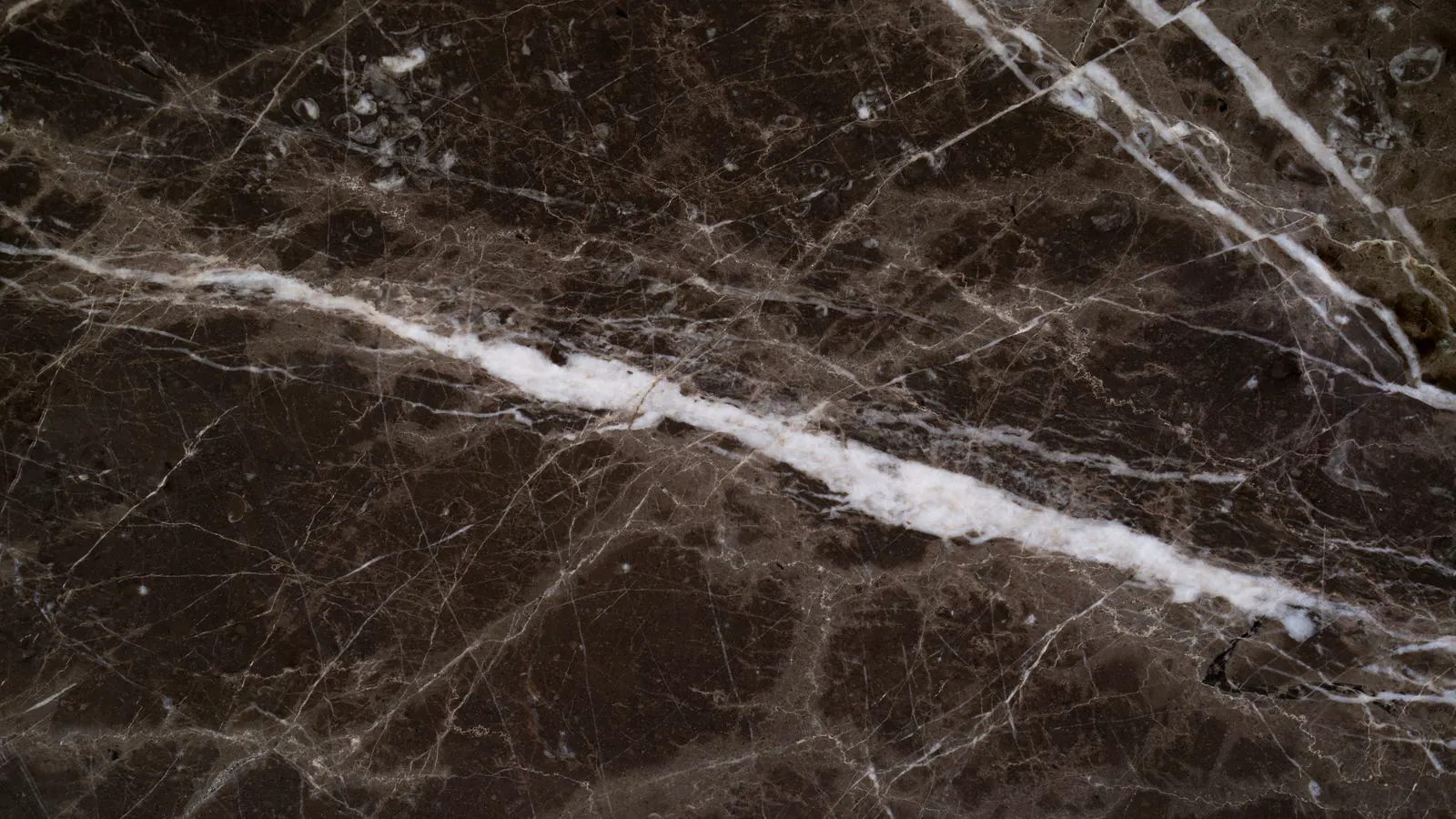
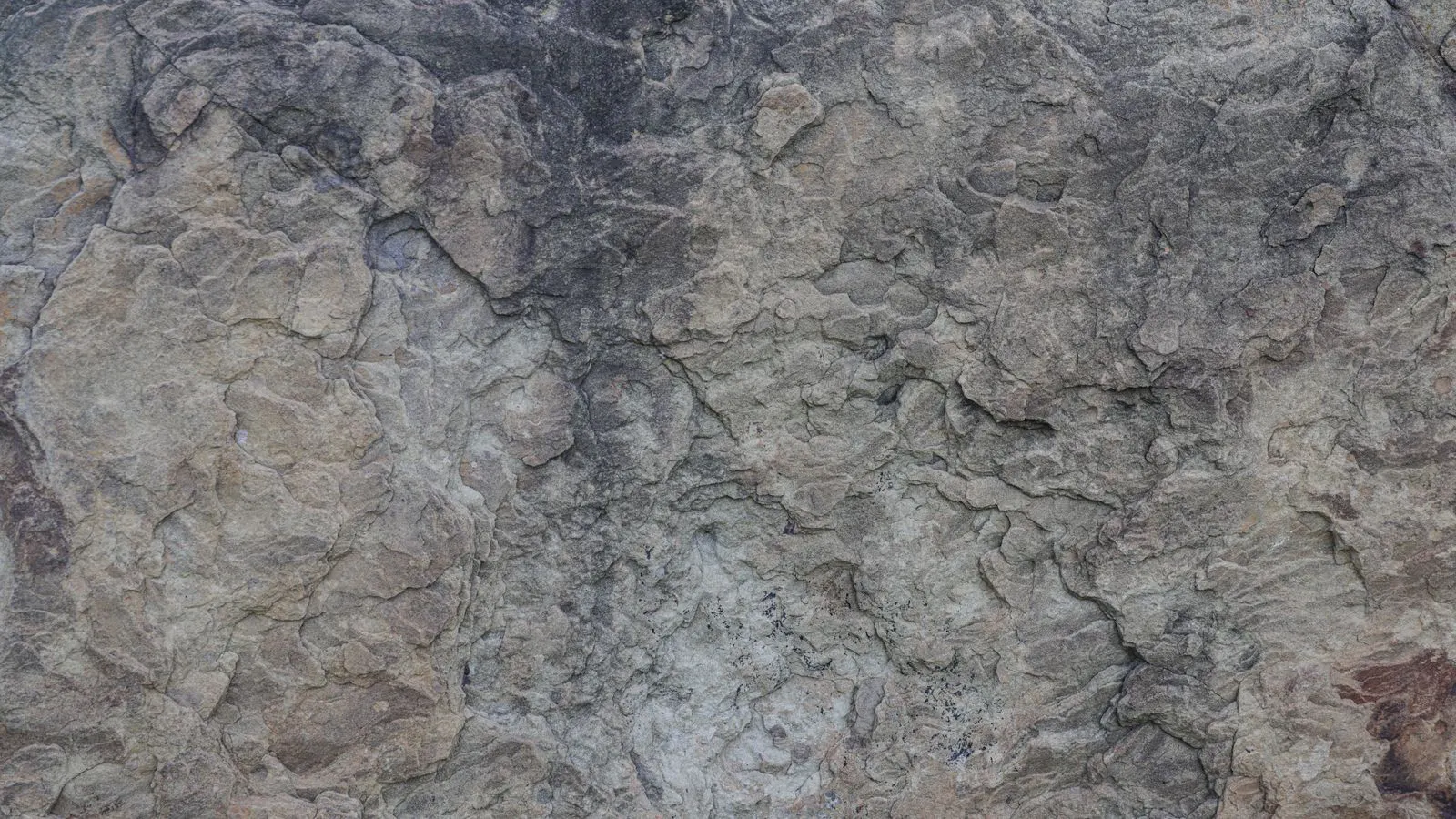
Stone Processing Methods Explained for Buyers
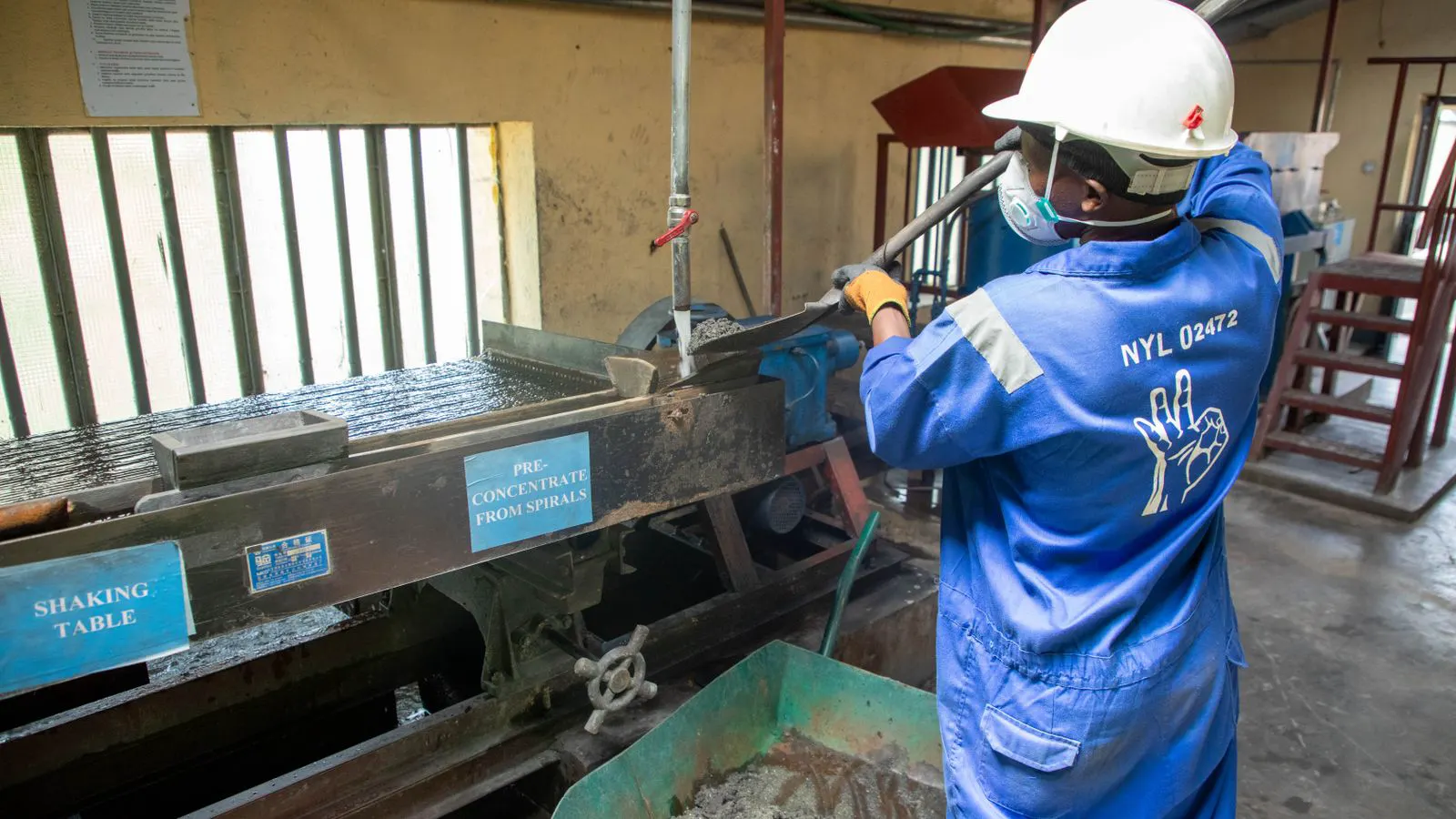
Stone processing methods involve a series of technical steps that transform raw blocks into finished slabs or tiles. Each method, such as sawing, polishing, or honing, changes the stone's appearance, durability, and cost. Understanding these techniques helps procurement managers make better sourcing and quality control decisions.
- Processing methods determine the final surface texture and technical properties of the stone.
- Each finish stage adds cost and lead time, which must be factored into the initial budget.
- Sourcing decisions should account for how the stone's natural properties react to specific processing techniques.
- Clear specifications for finish methods prevent miscommunication between suppliers and end-users.
- Quality checks at each processing stage are critical to ensuring consistency in the final product.
How Raw Stone Becomes a Finished Product
Natural stone arrives from the quarry as a rough block. It is dense, heavy, and often irregular in shape. Before it reaches the installation site, it must pass through a series of mechanical operations. These operations are known as stone processing methods.
Each step serves a specific purpose. The goal is to reduce the block to a manageable size, create flat surfaces, and achieve the desired visual texture. The sequence of these methods directly impacts the stone’s final performance.
For procurement managers, understanding these steps is practical. It explains why a polished slab costs more than a rough cut. It also explains why lead times vary between different finishes. Knowing the process helps you evaluate supplier capability and set realistic expectations for the final material.
The Core Steps in Stone Processing
The first major step is rough cutting. This usually involves sawing the block into large slabs. The method used depends on the stone type. Granite is often cut with diamond wire saws. Marble and limestone may be split using hydraulic jacks or diamond blades, depending on the grain and color.
After the block is sectioned, the slabs are sized. This involves trimming the edges to match the required dimensions. The stone is then ground or polished to create the final surface.
The key term here is “finish.” The finish is the result of the last processing step. It is not a separate material but a surface treatment. Common finishes include polished, honed, flamed, and split.
| Processing Stage | Typical Operation | Purpose |
|---|---|---|
| Rough Cutting | Sawing or splitting | Break the block into slabs |
| Sizing | Trimming and cutting | Match required dimensions |
| Surface Preparation | Grinding or polishing | Create the final texture |
| Quality Control | Inspection and cleaning | Verify appearance and dimensions |
The transition from rough to finished is not linear. Some stones require additional steps, such as sealing or special texturing. The complexity of the process is a major factor in pricing.
How Finishing Techniques Change Surface Performance
The choice of stone finishing techniques affects how the material behaves in service. A polished surface is dense and reflective. It is durable but can show scratches and water marks. A honed surface is matte and non-slip. It is more forgiving but may require more frequent cleaning.
These differences are not just cosmetic. They affect maintenance planning. A polished marble floor in a high-traffic area will show wear differently than a honed granite floor. The stone processing methods dictate the long-term care requirements.
When sourcing, you must consider the environment. A wet area like a bathroom or kitchen requires a finish that resists slipping. A polished finish may be too slippery. A textured finish is safer. The processing method must align with the installation location.
The Impact of Processing on Sourcing Decisions
Understanding natural stone processing helps buyers make informed sourcing decisions. It is easy to overlook the technical steps when comparing quotes. Two suppliers may offer the same stone type but at different prices. The difference often lies in the processing method.
A supplier who does all processing in-house may have higher overheads. A supplier who outsources finishing may have lower unit costs but less control over quality. You need to know where the stone is being processed.
Consider the distance from the quarry. Long transport distances increase the risk of damage during handling. Processing near the quarry reduces this risk. It also allows for better selection of blocks.
Another factor is the consistency of the finish. A machine-polished surface is uniform. A hand-honed surface may have slight variations. These variations can be desirable in some designs but unacceptable in others. The specification document must be clear on this point.
A Worked Example: Sourcing Honed Granite
Imagine a project requiring 500 square meters of honed granite for a public building lobby. The buyer needs a non-slip surface with a matte finish.
The first decision is the stone type. Granite is chosen for its hardness and low porosity. The next step is the finish. Honing is selected because it provides the required safety and visual effect.
The buyer contacts suppliers. Supplier A offers a polished finish by default. Supplier B offers a honed finish as a standard option. The buyer must ensure that the honing process is done correctly.
Honing involves grinding the stone with coarse grits. If the grits are too coarse, the surface will be rough and uneven. If they are too fine, the surface will be too smooth and may slip. The supplier must specify the grit sequence used.
The buyer also checks the thickness. Honed stone is often thicker to accommodate the grinding process. The final thickness must match the installation plan. If the stone is too thin, it may crack during transport or installation.
This example shows how the processing method affects the entire chain. From the quote to the final installation, the finish must be clearly defined.
Quality Control in the Processing Chain
Quality control is a critical part of stone processing. It happens at every stage. Before cutting, the block is inspected for cracks or inclusions. After cutting, the slab is measured for size and flatness.
The most common defect in processed stone is a surface flaw. This can be a chip, a scratch, or a color variation. These flaws are often caused by the processing method.
For example, polishing can cause micro-scratches if the pad is worn. Honing can cause uneven texture if the machine is not calibrated. Flaming can cause uneven color if the burner temperature is not consistent.
Buyers should require a quality report from the supplier. This report should detail the processing steps and the inspection results. It should also include photos of the finished slabs. This documentation helps in resolving disputes.
It is also useful to visit the processing facility if the project is large. Seeing the machinery and the workflow gives you a better understanding of the supplier’s capability. It also helps you identify potential bottlenecks.
Common Mistakes in Specifying Processing
Many projects face delays because of unclear specifications. The buyer asks for “natural finish” without defining it. The supplier interprets this as a split finish. The buyer expected a honed finish. The result is a mismatch.
Another common mistake is assuming that all finishes are the same. They are not. Each finish requires a specific set of tools and expertise. A supplier who specializes in polished marble may not be skilled in flaming granite.
Buyers should always use technical terms. Instead of “rough,” specify “split” or “flamed.” Instead of “smooth,” specify “honed” or “polished.” This removes ambiguity.
Finally, do not forget the edge finish. The edge is often overlooked. A polished slab with a rough edge looks unfinished. The edge should be matched to the surface finish or specified separately.
Final Thoughts on Choosing the Right Method
The right stone processing method depends on the project requirements. There is no single best method. There is only the method that fits the specific needs of the building.
Consider the traffic, the environment, and the design intent. A high-traffic area needs a durable finish. A decorative feature may benefit from a textured finish. The processing method must support the design.
By understanding the technical steps, you can communicate more effectively with suppliers. You can also make better budget and scheduling decisions. The processing method is a key part of the stone selection process.
Frequently asked questions
What is the difference between honed and polished finishes?
A polished finish is smooth and reflective. A honed finish is matte and non-slip. The difference is in the grinding process used during stone processing.
How does the processing method affect the cost of stone?
More complex processing methods generally increase the cost. Polishing is often more expensive than rough cutting. Special textures also add to the price.
Can all stone types be polished?
Not all. Some stones are too soft or porous to hold a polished finish. Harder stones like granite and marble are better suited for polishing.
What is the most common defect in processed stone?
Surface flaws such as chips, scratches, and color variations are the most common. These are usually caused by the processing method or handling.
How can I ensure consistency in the finish?
Specify the exact finish in the contract. Require a quality report and photos. Visiting the processing facility can also help verify consistency.