Future Trends in Natural Stone Finishing and Processing
The natural stone market is moving toward sustainable processing, digital design tools, and performance-based surface choices. Buyers should prepare by prioritizing durability, energy efficiency, and long-term maintenance over purely visual appeal.
- Shifts in material availability are driving a move toward more sustainable processing methods.
- Digital design and 3D modeling are changing how stone surfaces are specified and approved.
- Performance and maintenance costs are now as important as visual appearance in commercial selections.
- Buyers should request detailed processing and maintenance documentation for every surface.
- Surface trends are favoring durability and texture over high-gloss, high-maintenance finishes.
How Sustainability Is Reshaping Stone Processing
The pressure to reduce waste and energy use is changing how stone is cut, finished, and delivered. Natural stone innovation is no longer just about new colors or patterns. It is about how the material is handled from quarry to installation.
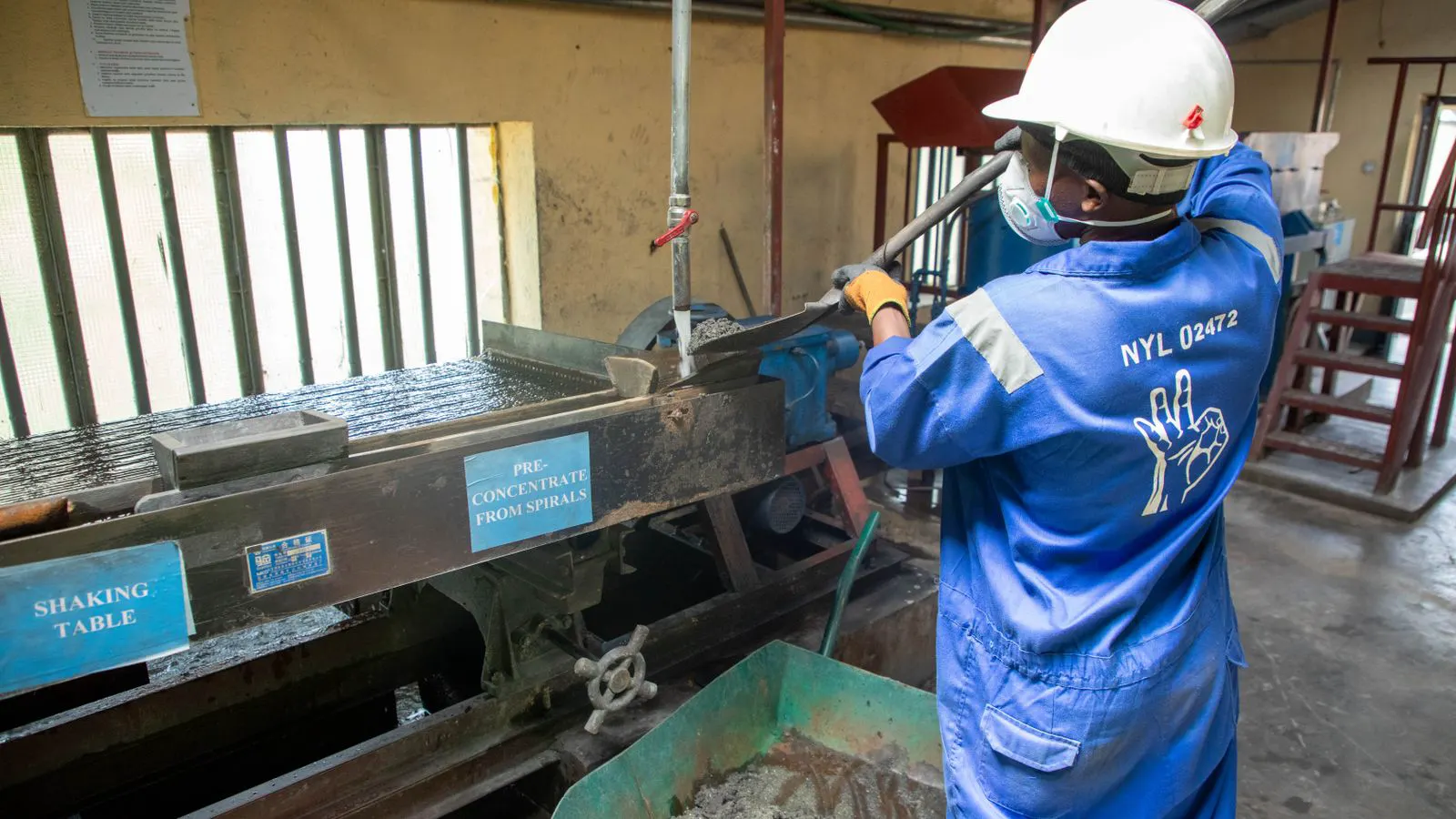
Processing facilities are reviewing every step of their workflow. Water recycling, dust containment, and energy recovery are now standard discussions in supply chain planning. Buyers are being asked to provide more specific requirements. They want to know how a slab will be cut, how much offcut will be generated, and how the supplier manages material loss.
This shift affects project timelines and costs. A supplier with an efficient, low-waste process may have a higher upfront cost but lower long-term impact. Another may offer a lower price but generate more waste and require more transport. The trade-off is not always obvious.
Buyers should ask for a written description of the processing method. They should ask about waste handling and energy use. They should also ask how the supplier plans to meet regulatory requirements in the future. The answer tells you how the supplier thinks about their business.
What Digital Tools Are Changing Surface Design
3D modeling and digital sampling are changing the way stone finishes are chosen. Before installation, buyers can see how a surface will look in a space. They can test how light interacts with a honed or polished slab. They can review how a textured finish will age in a high-traffic area.
This reduces the risk of a poor selection. It also shortens the approval process. Designers can share digital samples with clients faster. They can compare multiple finishes in the same virtual environment. This helps teams make decisions with more confidence.
However, digital tools do not replace physical inspection. A stone surface still needs to be checked in person. Light in a model is not the same as light in a building. A digital texture may not show the grain variation that a real slab displays.
Buyers should use digital tools for planning, but always confirm with a physical sample. They should review the sample under the same lighting conditions as the final space. They should also check the sample after it has been sealed or treated, if applicable.
Why Maintenance Is Becoming a Primary Selection Factor
High-gloss finishes are losing ground in many commercial spaces. The reason is simple. They require regular care to look good. Scratches, etching, and dullness become visible quickly. Maintenance costs add up over the life of the project.
Honed and textured surfaces are gaining attention because they are easier to manage. They hide wear better. They do not show every smudge or minor blemish. This makes them a practical choice for lobbies, corridors, and public areas.
This does not mean polished stone is out of the question. Polished stone still works in the right setting. It suits low-traffic areas, feature walls, and spaces where a high-gloss look is the design goal. The key is to match the finish to the function.
Buyers should ask for a maintenance plan with every surface recommendation. They should ask how often the finish will need resealing, polishing, or cleaning. They should ask what products the supplier recommends. A supplier who provides this information is thinking about the long term.
How Performance Requirements Are Driving New Finishes
Engineers and buyers are asking for more specific surface performance data. They want to know how a finish will behave under real conditions. They want to know how it will handle moisture, abrasion, and cleaning chemicals.
This is pushing suppliers to develop finishes that meet specific performance criteria. For example, a textured finish for an outdoor plaza must resist freeze-thaw damage. A honed finish for a hospital corridor must resist staining and wear. The surface is no longer just a visual choice. It is a performance specification.
This shift is also changing how samples are tested. Buyers are not just looking at a slab in a showroom. They are asking for samples that have been subjected to wear tests, chemical exposure, and moisture cycles. They want to see the results before they commit.
Suppliers who can provide this data gain a competitive edge. They show that they understand the requirements of the project. They reduce the risk of a failed installation. They also help buyers make a more informed decision.
What to Prepare For in the Coming Years
The next several years will bring more pressure on suppliers to prove their process. Buyers will expect more documentation, more testing, and more transparency. They will also expect a longer view of the project. They will think about the cost of ownership, not just the cost of installation.
To prepare, buyers should start building relationships with suppliers who can demonstrate their capabilities. They should ask for references. They should visit facilities when possible. They should review the supplier’s approach to waste, energy, and quality control.
Buyers should also work closely with their design and engineering teams. They should define performance requirements early in the process. They should test finishes under real conditions before final selection. They should document every decision. This creates a clear record and reduces disputes later.
The stone industry is moving toward a more informed, more sustainable, and more performance-driven market. The buyers who prepare for this shift will make better decisions and avoid costly mistakes.
A Practical Approach to Selecting Future-Proof Finishes
The following table summarizes the key factors buyers should consider when selecting a stone finish for a new project.
| Factor | What to Look For | Why It Matters |
|---|---|---|
| Durability | Abrasion resistance, scratch resistance | Determines how long the surface will look good |
| Maintenance | Cleaning requirements, sealing frequency | Affects long-term operating costs |
| Performance | Moisture resistance, chemical resistance | Ensures the surface survives real-world use |
| Sustainability | Waste management, energy use | Aligns with environmental and regulatory goals |
| Aesthetics | Color variation, texture, finish | Matches the design intent of the space |
When selecting a finish, buyers should rank these factors based on the project. A high-traffic public area will prioritize durability and maintenance. A feature wall in a lobby may prioritize aesthetics. A wet area like a spa will prioritize moisture and chemical resistance.
There is no single best finish. The right choice depends on the function, the budget, and the long-term goals of the project. By focusing on performance and practicality, buyers can select a surface that will serve them well for many years.
How to Document Your Selection Process
A clear documentation process protects the buyer and the project. It also helps with future maintenance and repairs.
- Record the exact finish selected, including the code or description provided by the supplier.
- Keep the physical sample in a safe place. Label it with the project name and date.
- Save all digital renderings and 3D models used during the selection process.
- Document the performance tests performed on the sample, including the results.
- Keep the written maintenance plan and the list of recommended cleaning products.
This documentation creates a clear record of the decision. It helps the maintenance team understand what the surface requires. It also helps if a dispute arises in the future. It is a simple step that saves time and money later.
The stone finishing trends are moving in a clear direction. Sustainability, performance, and practicality are now at the center of the discussion. Buyers who understand this shift and prepare for it will be better positioned to select the right surface for their projects.
Frequently asked questions
What are the most important stone finishing trends for commercial projects?
The most important trends are a shift toward sustainable processing, a focus on performance and durability, and a preference for low-maintenance finishes like honed or textured surfaces.
How do digital tools change the way stone finishes are selected?
Digital tools allow buyers and designers to visualize finishes in a space before installation. They reduce the risk of a poor selection, but physical samples are still required for final approval.
Why is maintenance becoming a bigger factor in stone selection?
High-gloss finishes require regular care to maintain their appearance. Buyers are moving toward finishes that hide wear better and have lower long-term maintenance costs.
What documents should buyers request from a stone supplier?
Buyers should request a written description of the processing method, performance test results, and a detailed maintenance plan with recommended products.
How can buyers prepare for the shift toward sustainable processing?
Buyers should ask suppliers about waste management, energy use, and regulatory compliance. They should also build relationships with suppliers who can demonstrate these capabilities.